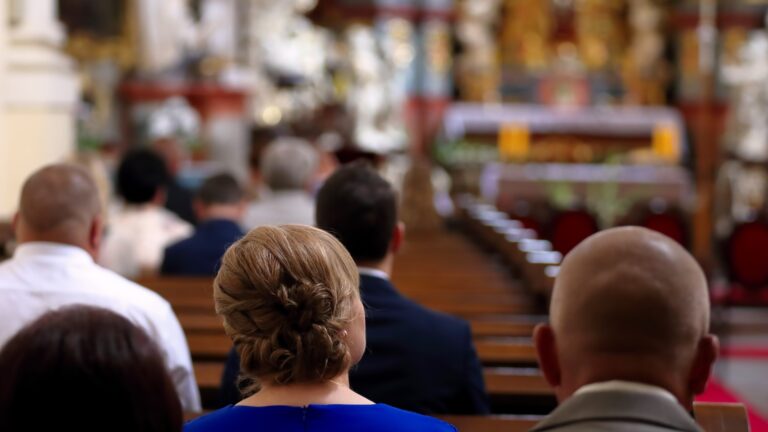
The Mass We Understand—and the Faith We Don’t
Being able to understand the words of the Mass doesn’t necessarily mean you understand its mystery.


Being able to understand the words of the Mass doesn’t necessarily mean you understand its mystery.

A lesson from Alex Honnold and the spiritual life.
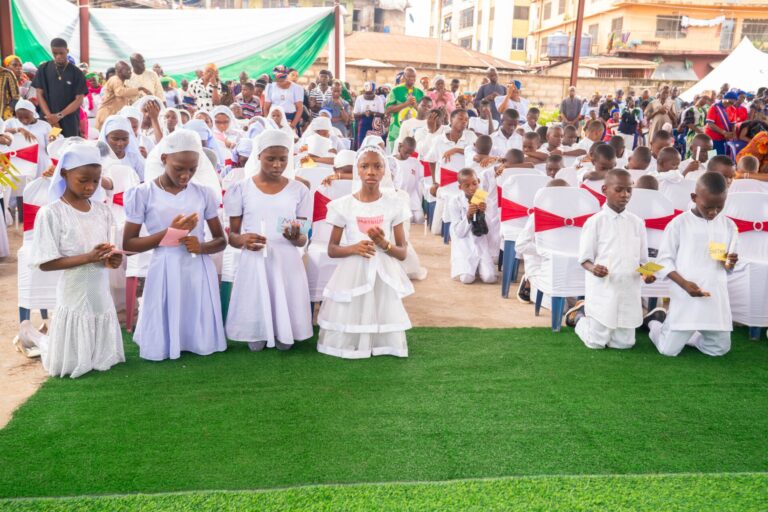
The Catholic Church has always acknowledged the posture of kneeling as something uniquely beautiful within the context of the Holy Mass, a gesture that speaks more deeply than words.

Modern day Protestants are further away from Luther, Calvin and Zwingli than these original revolutionaries were from the Catholicism from which they severed themselves.
The world continues to reap the bitter consequences of being increasingly closed to family and children. A return to the Church’s teaching on openness to life is the only way forward.
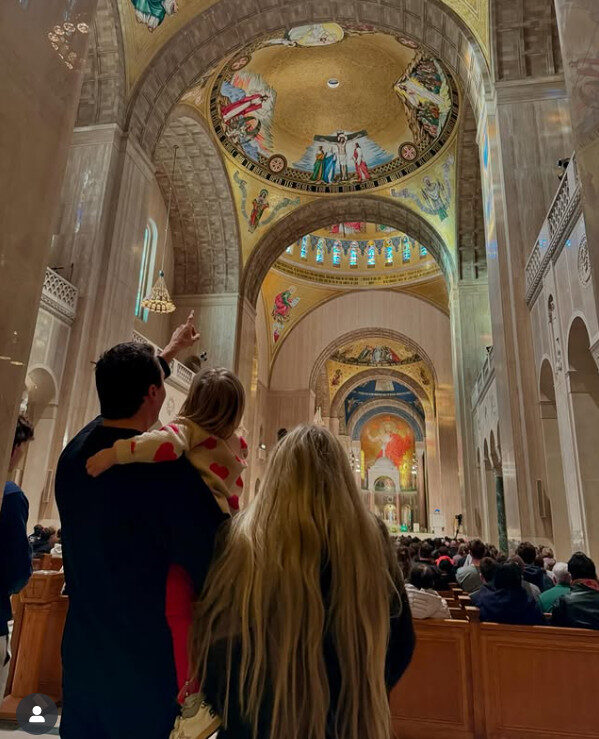
There is a lot of evidence that Charlie Kirk was leading his family towards the Catholic Church; not least of all, his public call to venerate the Mother of God.
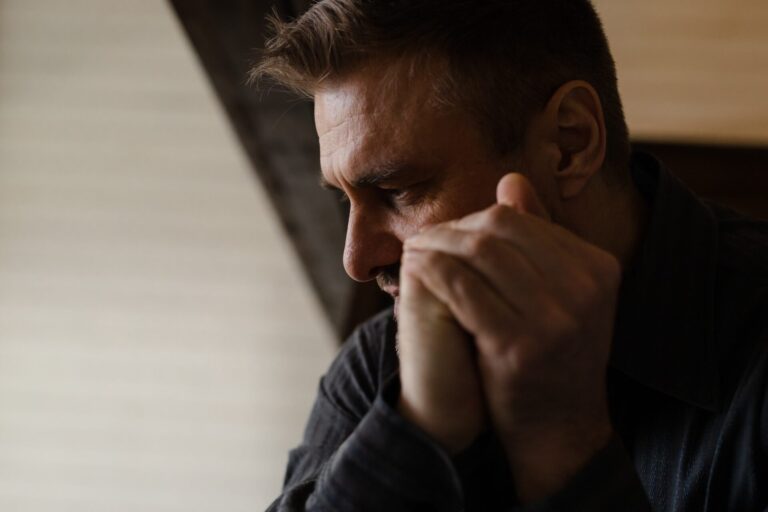
A closer look at Catholic teaching reveals a sharp truth: while prayers are indeed powerful, mere “thoughts” accomplish nothing in the supernatural order.

Ultimately, the Catholic Church rejects the idea that salvation is attained by “faith alone” or “works alone.”
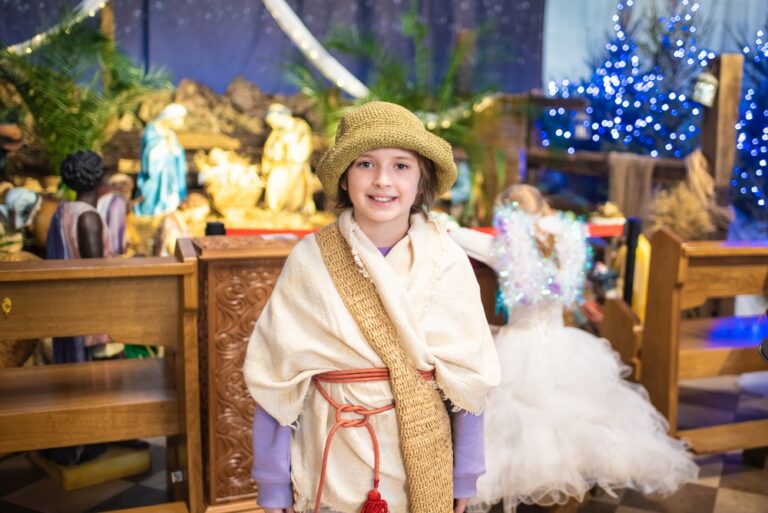
However well-meaning, turning Holy Mass into a church play to keep kids engaged robs from them the real lessons of the Holy Sacrifice.
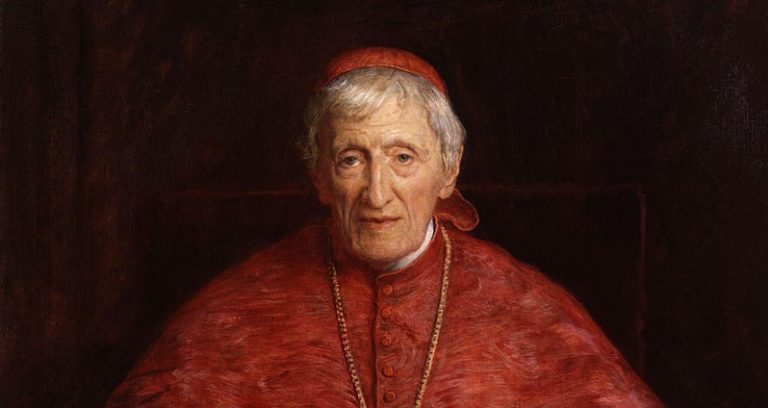
In a dramatic twist of providence, the very work Newman undertook to defend Anglicanism ultimately led him to embrace the Catholic Church he had long opposed.
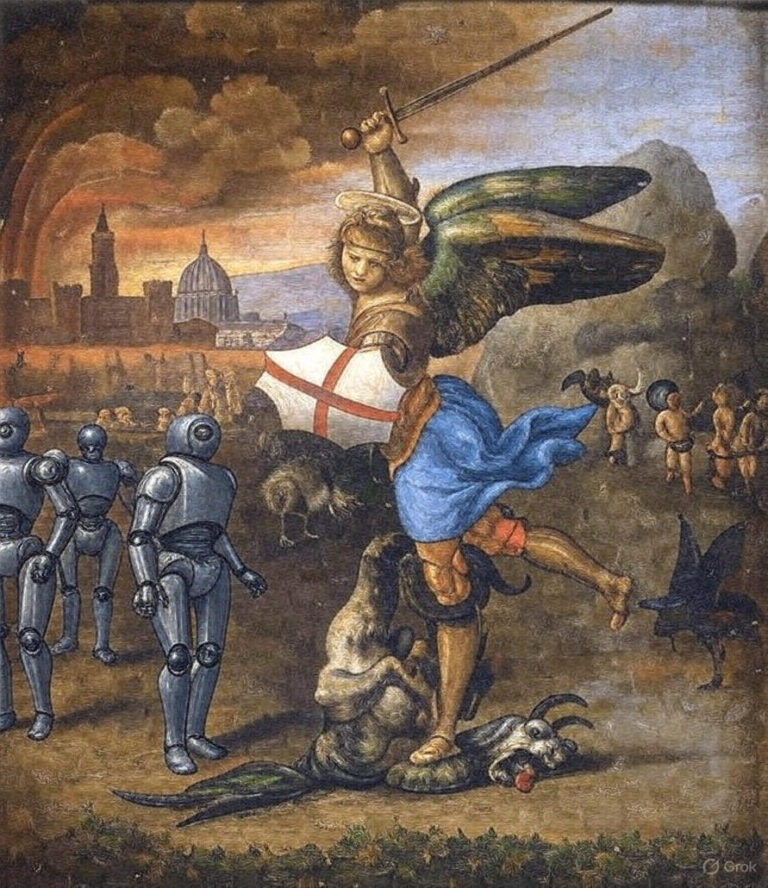
In choosing the name Leo XIV, the new pope may be signaling that he is prepared to carry on the battle that Leo XIII waged—not with weapons of this world but with the power of truth, prayer, and a deep awareness of the spiritual struggle that undergirds every age.
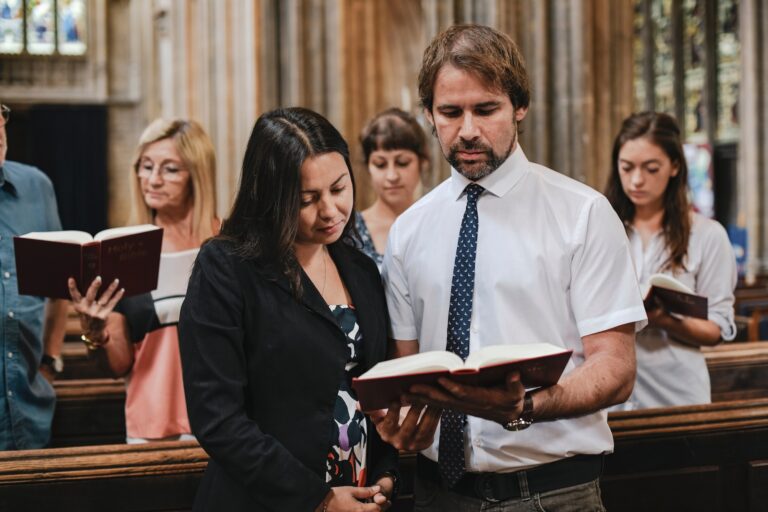
What makes for a “suitable hymn”? How should we gauge “good” and “bad” hymns? I would suggest using a very simple litmus test by asking this question: “Whom are we singing to?”