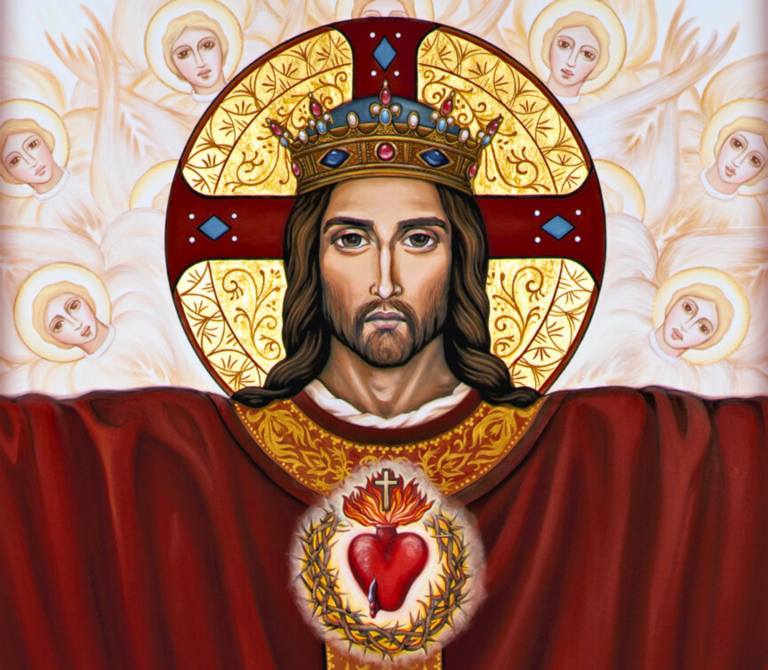
The Truth That Dare Not Speak Its Name
The real division in political as in cultural and religious life is between those who accept that Christ is King over all nations and all men and those who do not.


The real division in political as in cultural and religious life is between those who accept that Christ is King over all nations and all men and those who do not.

“Holiday creep,” which begins earlier every year is not motivated solely by a desire for profits. The unconscious sense that things are dreadfully awry provokes an equally unconscious desire to escape into the land of nostalgia.
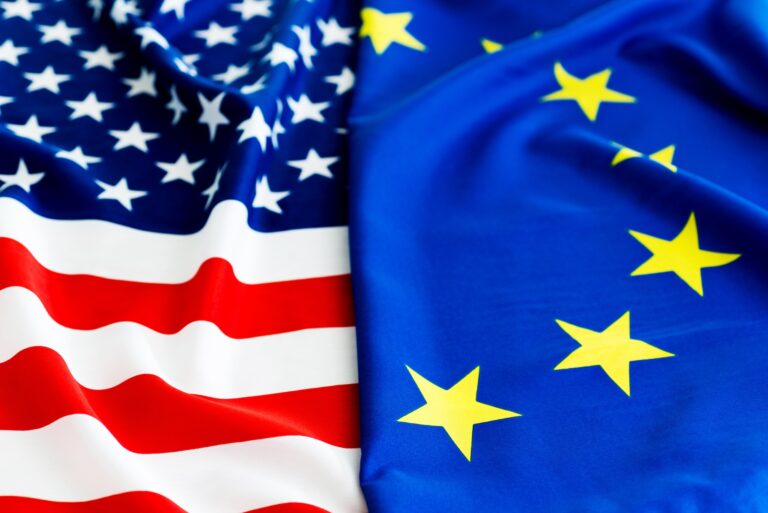
There are parallels and differences between America and Europe—and overall is the mutually shared situation in the Catholic Church, which affects and is affected by the political scene on both continents.
The result of Catholics’ failure to bring our country to Christ has been the succession of several more or less corrupt rulerships, and the frequent use of our country’s undeniable strengths for evil.
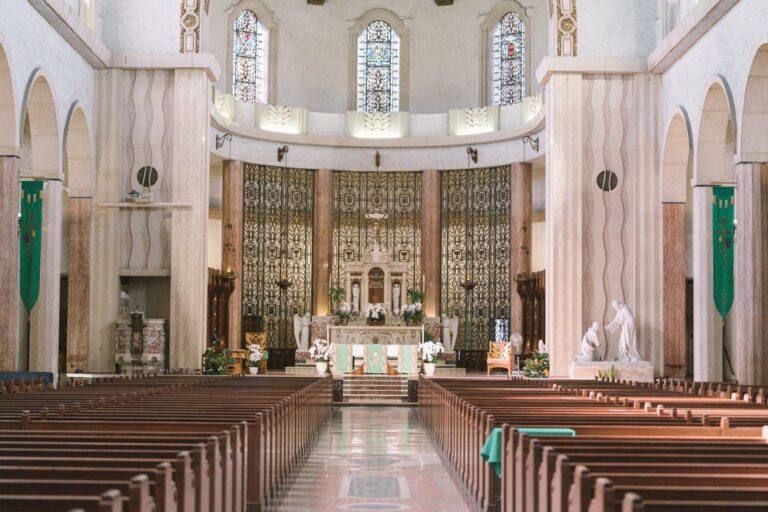
For Catholics, it is not simply the church or churches of our childhood or youth that are home. It is every Catholic Church or Chapel from whence the sacraments are administered.
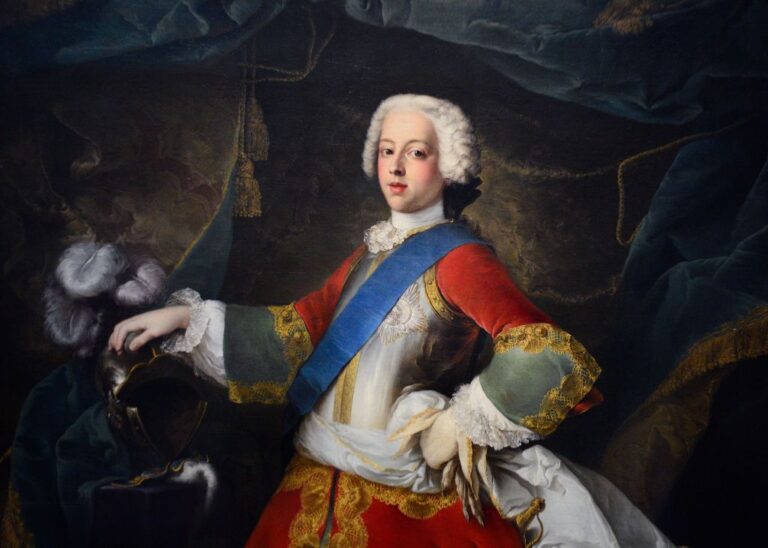
Today, from the Covid lockdowns to Traditionis Custodes to the Chinese population policies, the entire planet is enmeshed in varieties of tyranny which all may be traced to errors regarding legitimacy, authority, and power.
Throughout Church history, Christians have frequently been happy to expel each other from the Church. That is no less true today, but what is the proper attitude of the Christian when it comes to schism?
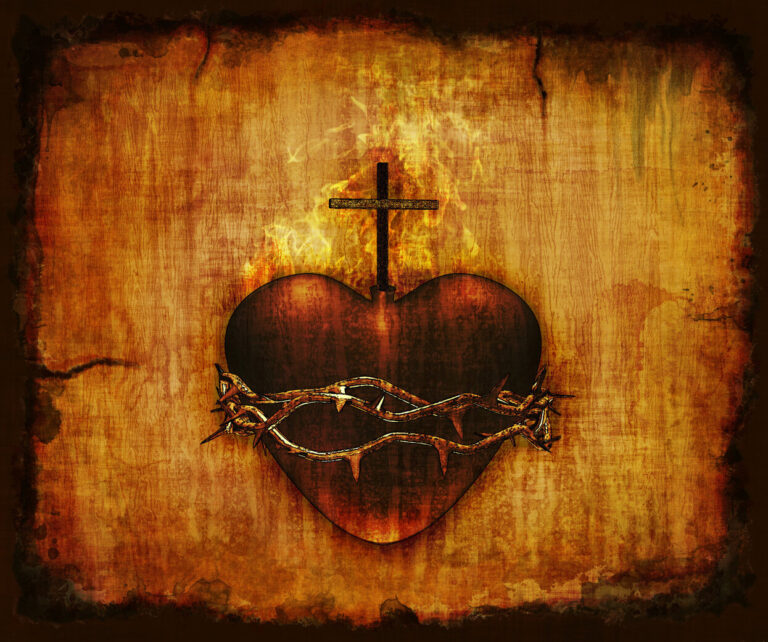
The symbol of Christ’s love of the humanity for which He died has ever been the symbol of Catholic militance and resistance to anti-God regimes.
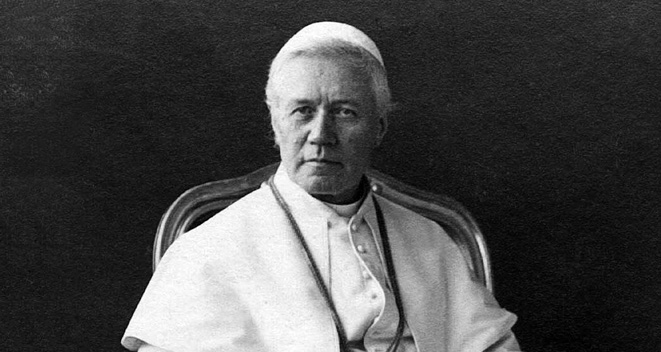
The papal tinkering of the liturgy, begun by Pope Pius X, has had unfortunate consequences not foreseen by any 20th century pope.
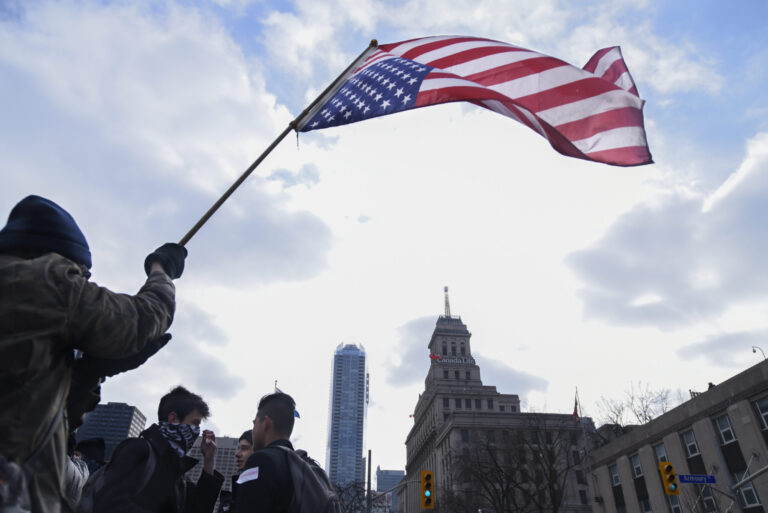
As America approaches the 250th anniversary of its birth, few seem interested in celebrating our country.
Ecclesiastical and political conditions make this Lenten season even more penitential, with no promise that anything shall be solved anytime soon.
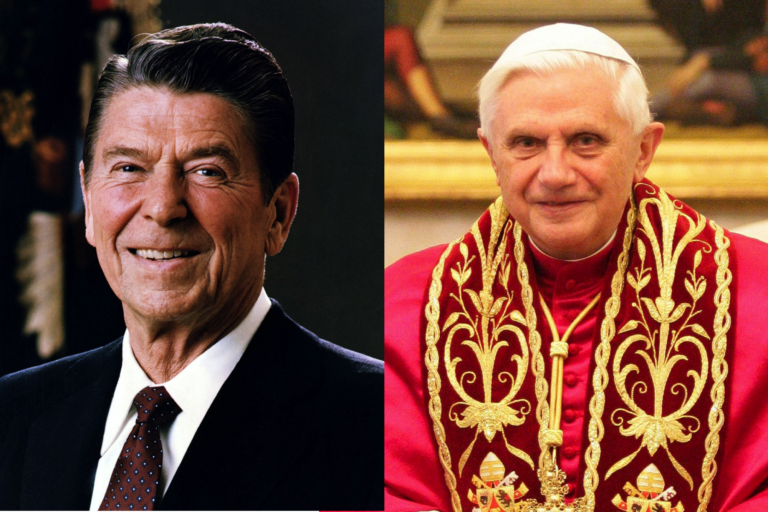
The reigns of Ronald Reagan and Pope Benedict XVI resemble one another because both presided over periods of “Restoration” and were followed by a further fall.

Maintaining a sense of humor in light of the depraved and cruel actions of some prelates is a healthy and necessary response for Catholics.
In a time of attacks from all sides, faithful Catholics must not emulate our enemies.

Pushing the TLM out of parishes and into gyms is symbolic of what those in charge in the Church wish to do with the Catholic Faith and its adherents—push it out to the margins.
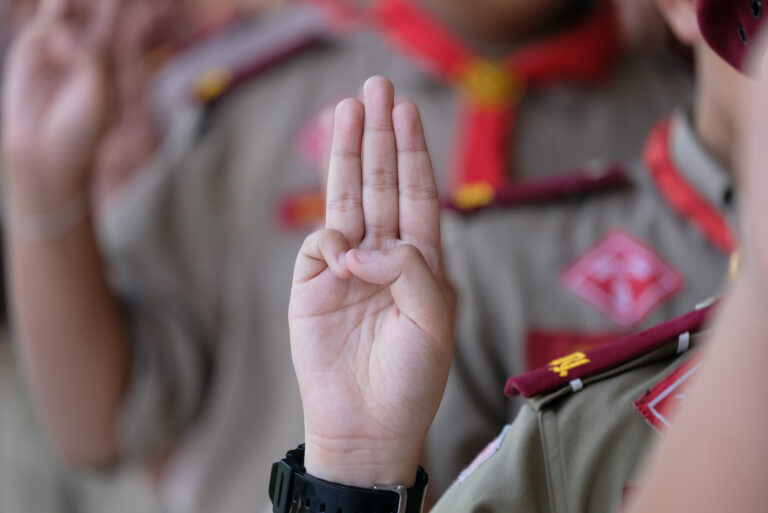
I derived a huge number of benefits from my participation in scouting, but at a time when it has morphed into something unrecognizable, I cannot help but want to muse on what scouting really means.
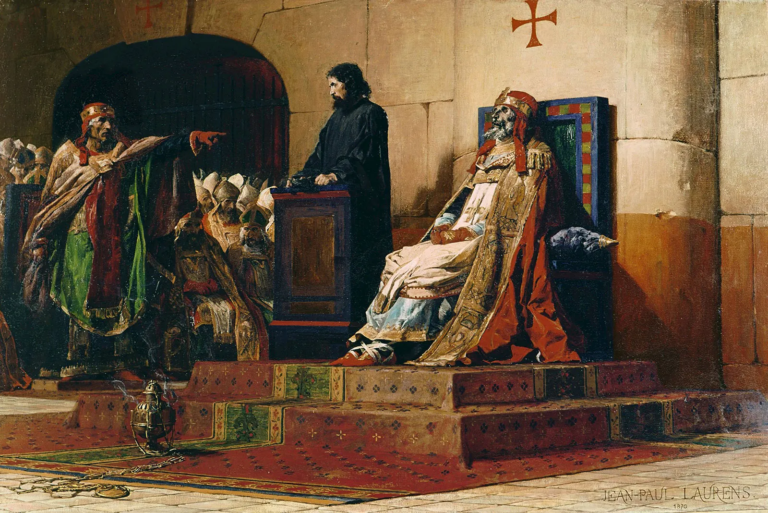
Pope Francis appears intent in his attempt to divide the loyalties of the Faithful between himself and Pope Benedict XVI, as Stephen VI did with his post-mortem trial of Pope Formosus.
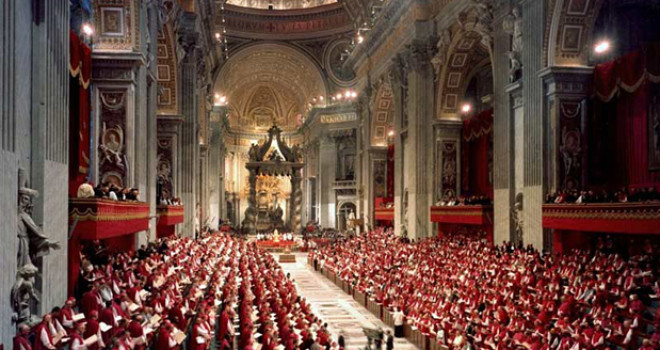
Vatican II quite rightly spoke of a “Universal Call to Holiness” and called upon the laity to exercise the apostolate in their particular spheres, which includes the political sphere.

Until last year, no American politician has had the guts to tackle the plague of wokery in our schools. This has changed—in Florida, of all places, home of Key West, South Beach, and Fort Lauderdale!
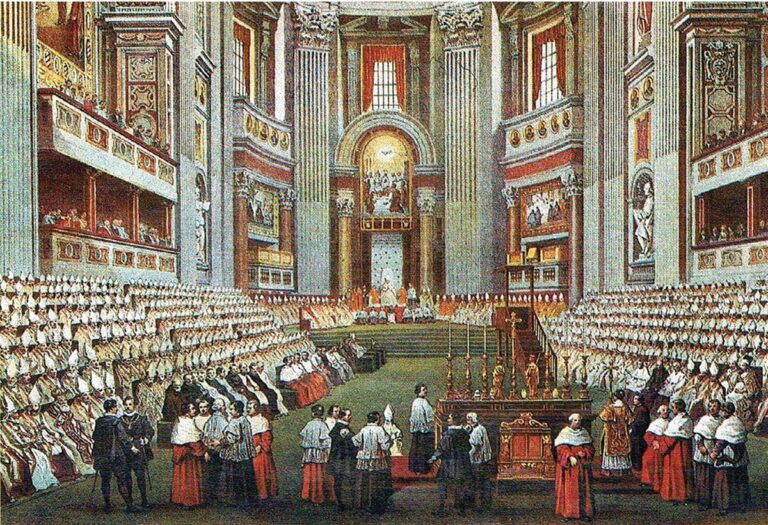
Ultramontanism itself—the hailing of the reigning pontiff as Supreme Leader of the faithful, whose every utterance must be accepted unquestioningly—is a relatively recent phenomenon in the life of the Church.