Destruction Comes Also From the Ground Up
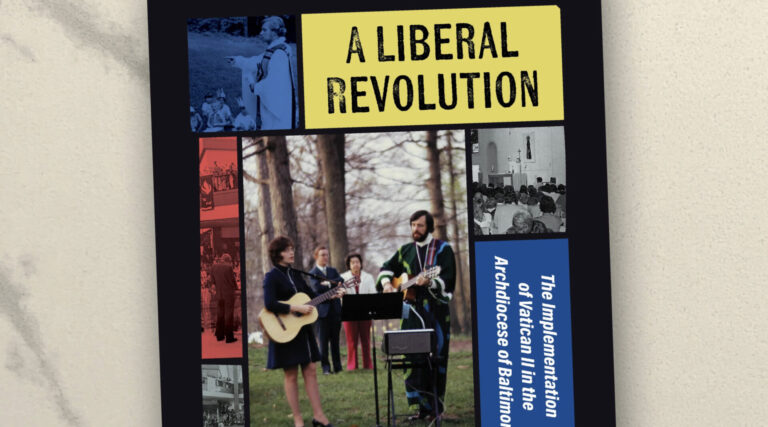
While there is much ink spilled about Vatican Council II, Hanael Bianchi’s “A Liberal Revolution,” takes a unique look at its implementation in the previously thriving Archdiocese of Baltimore.


While there is much ink spilled about Vatican Council II, Hanael Bianchi’s “A Liberal Revolution,” takes a unique look at its implementation in the previously thriving Archdiocese of Baltimore.
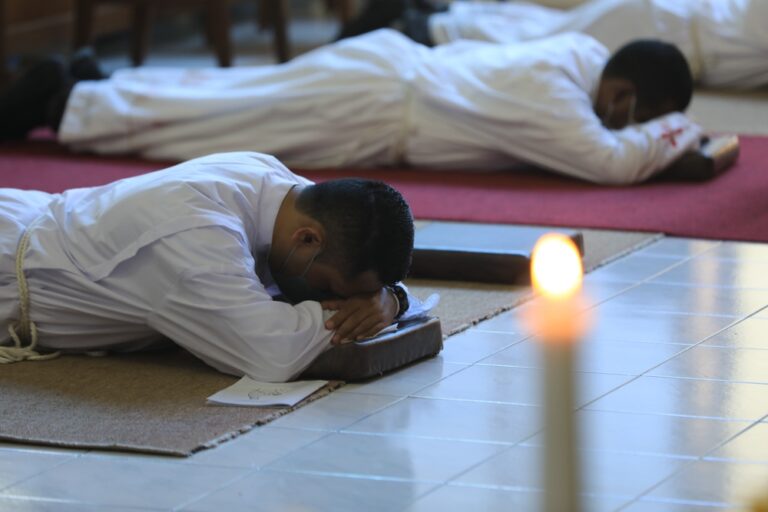
The alarming crisis in the priesthood is less a reflection upon individual priests, and much more a condemnation of the redesigned formation of priests following Vatican II.
The recasting of Vatican II as the savior of Catholicism descends into Hollywood-esque delusions.

With the demise of the traditional, God-centered spirituality that once thrived in the Church, new secular missionaries rushed in to introduce their man-centered sociopsychological therapies of one form or another.
The dramatic destruction of authentic Mystical Theology was short-lived, but an anti-mystic legacy lived on in subsequent centuries down to the Second Vatican Council, affecting all who took part in it.
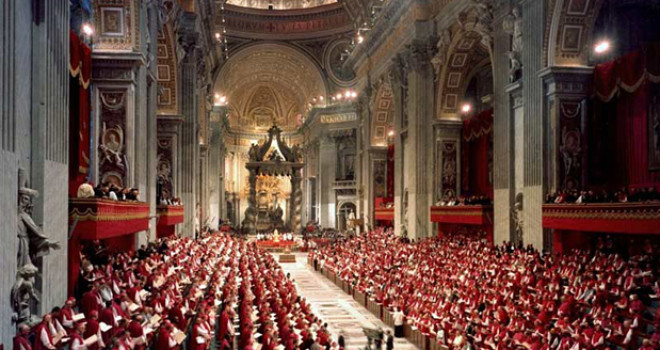
When Pope John XXIII should have been calling Catholics to repentance, prayer, and sacrifice, he decided to call a Council to do the impossible.
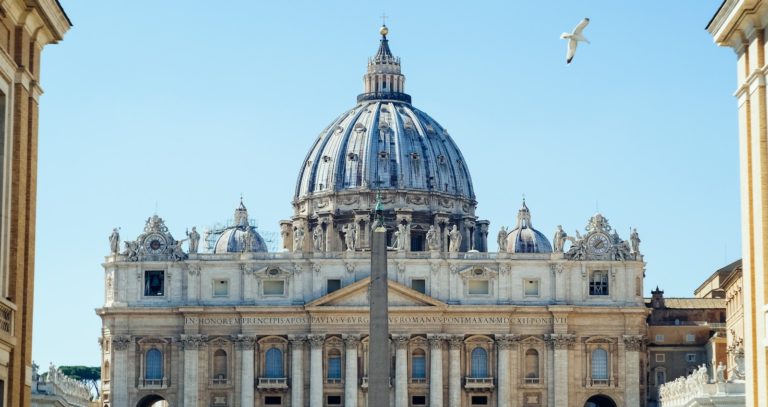
One reason Catholics often treat any criticism of the Vatican as verboten arises from an awareness of how much the Church’s authority depends in practice upon public opinion, in a way it did not previously.
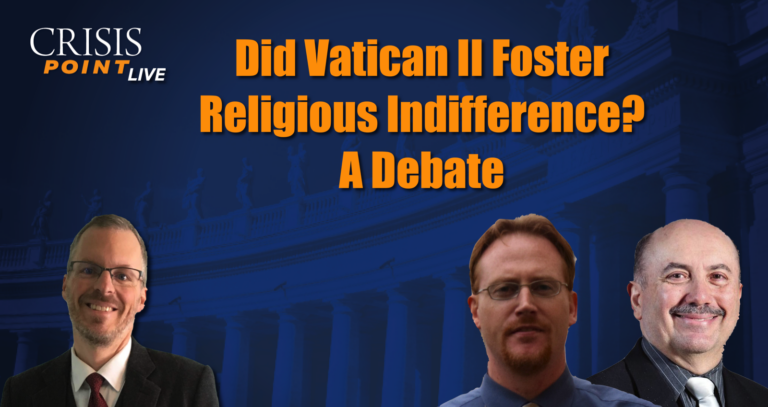
Dr. Eduardo Echeverria (Professor of Philosophy and Systematic Theology) and Mr. Matt Gaspers (Managing Editor, Catholic Family News) debate whether Vatican II itself (and not just the “Spirit” of the council) fostered a sense of religious indifference among Catholics.
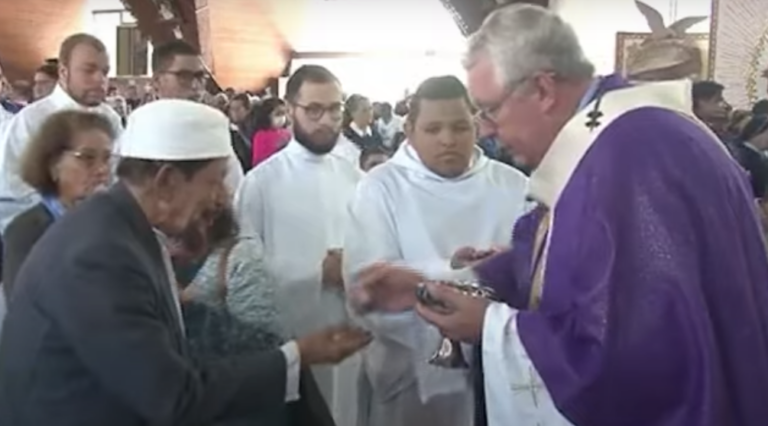
An Archbishop defended giving a Muslim sheikh Holy Communion, contrary to the longstanding teaching and praxis of the Church.
The ambiguity of Dignitatis Humanae could lead to an end of the debate surrounding it.
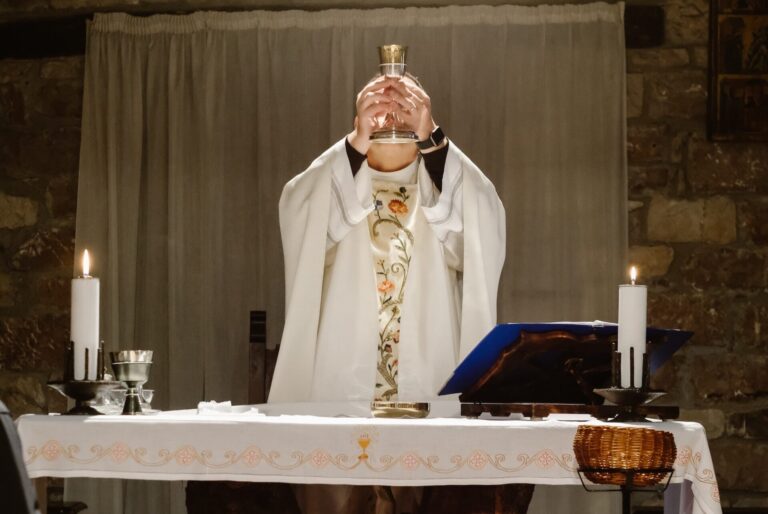
If priests are not aware of the origins of the new Mass, how can we expect fruitful dialog about the fact that some people prefer the preconciliar Mass to the modern one?
Vatican II quite rightly spoke of a “Universal Call to Holiness” and called upon the laity to exercise the apostolate in their particular spheres, which includes the political sphere.
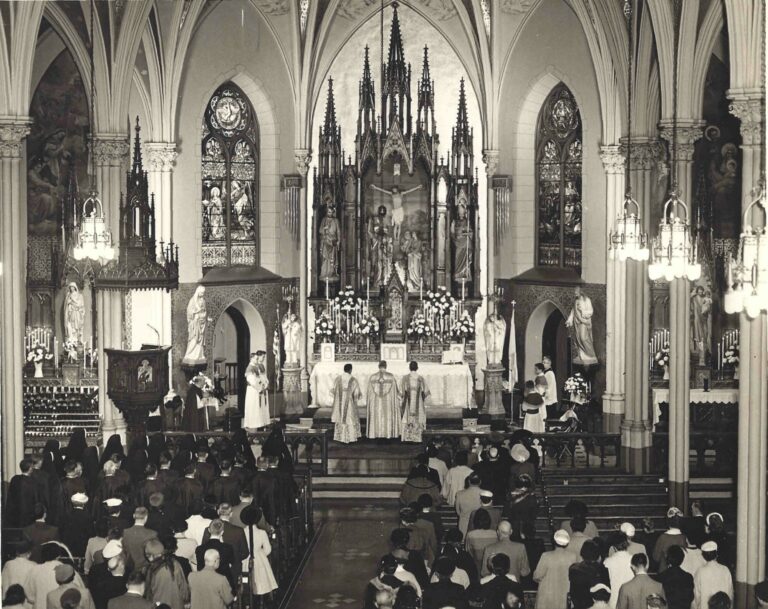
Part Five of a response to Cavadini, Healy, and Weinandy’s critique of the traditional Latin Mass.
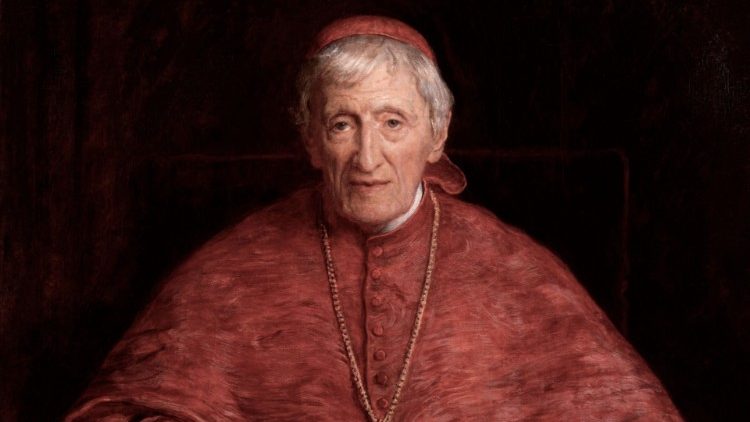
Development of Doctrine—a legitimate way to understand how the Church’s teaching appears different in different ages—has become a way to introduce innovations contrary to the Church’s perennial teachings.
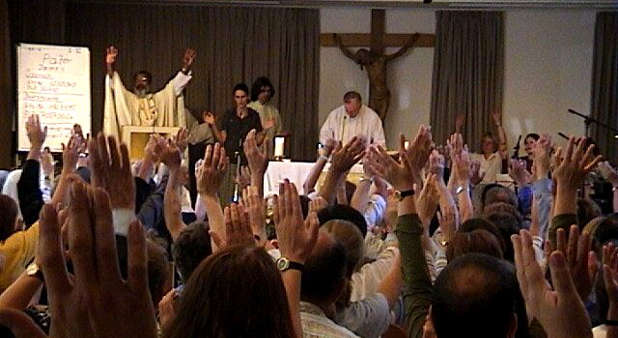
Part Four of a response to Cavadini, Healy, and Weinandy’s critique of the traditional Latin Mass.
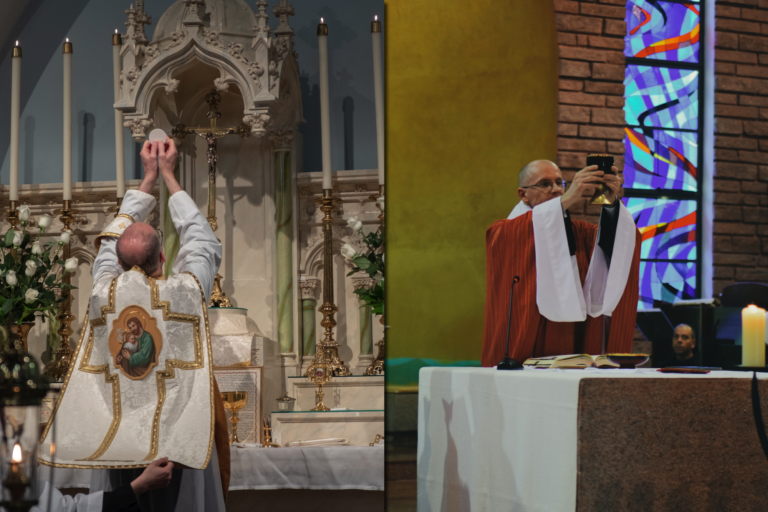
Part Three of a response to Cavadini, Healy, and Weinandy’s critique of the traditional Latin Mass.
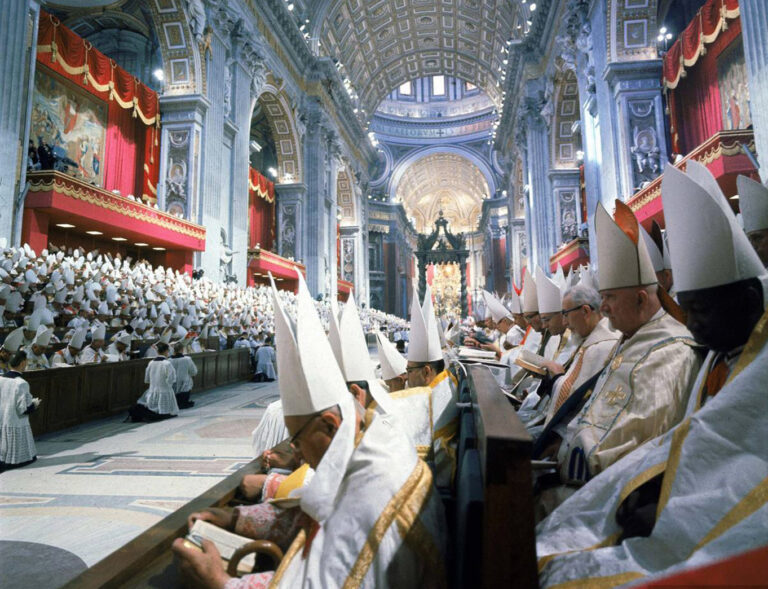
We are not confusing the blogosphere with reality about Vatican II. We are lamenting the confusion born from ambiguity and the party strife born from both.
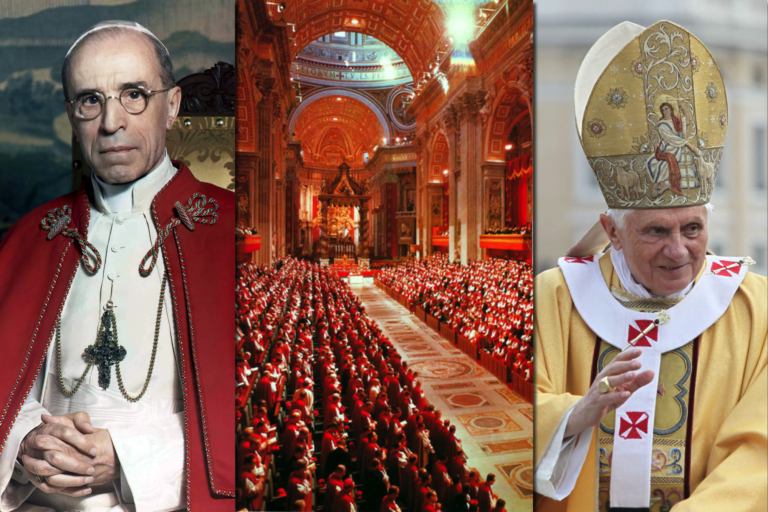
Part Two of a response to Cavadini, Healy, and Weinandy’s critique of the traditional Latin Mass.
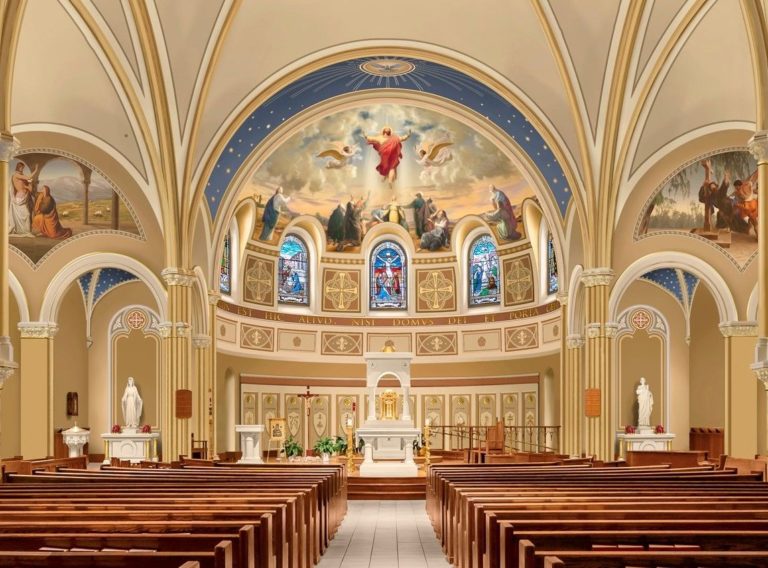
Part One of a response to Cavadini, Healy, and Weinandy’s critique of the traditional Latin Mass.
Why does it matter whether Vatican II succeeded or failed or hasn’t been implemented yet? All of the ink spilt over the Council only proves that Catholics are prisoners of Vatican II.