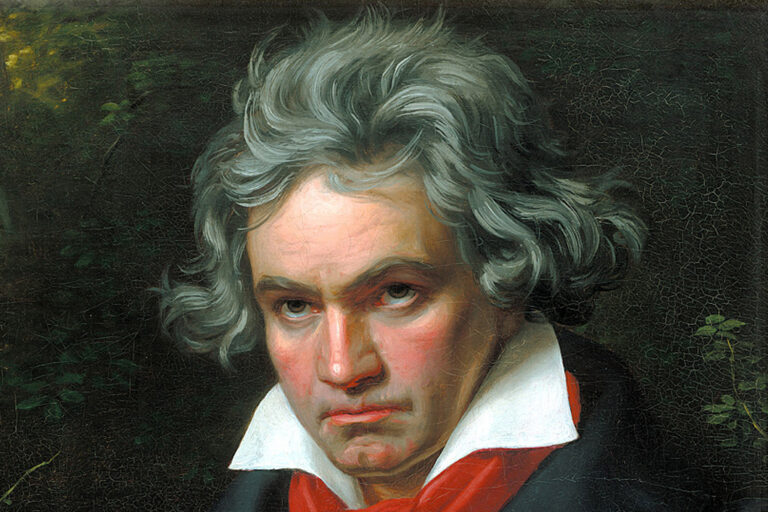
Beethoven and the Supersymmetry of Christ
Despite sin, death, decay, pain, and suffering, a greater harmony, greater beauty and love, exists. Beethoven captures this “supersymmetry” of Christ in music with his “Holy Hymn.”


Despite sin, death, decay, pain, and suffering, a greater harmony, greater beauty and love, exists. Beethoven captures this “supersymmetry” of Christ in music with his “Holy Hymn.”
The debate over papal authority is actually a proxy for deeper questions, namely about the nature of the Church itself.

Conservatives who appeal to traditional aspects of American polity as a means of defeating the new seemingly unstoppable threat to the world they have known are setting themselves up for disaster.
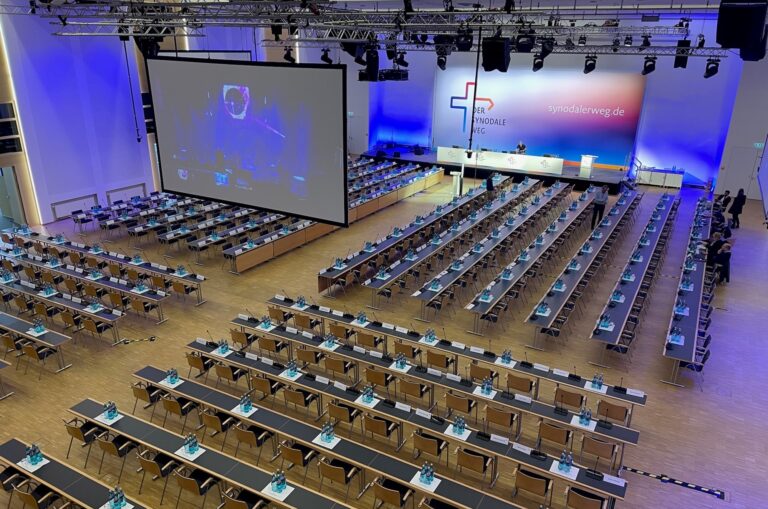
Progressives, political or religious, figured out that you don’t need to have the masses on your side if you control who runs the bureaucracies.
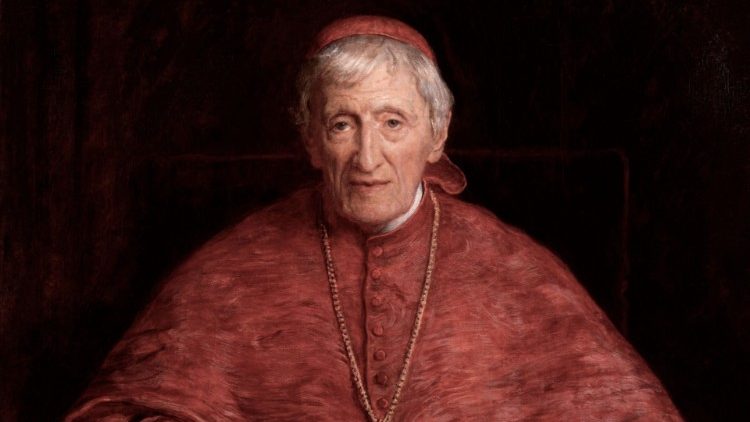
Development of Doctrine—a legitimate way to understand how the Church’s teaching appears different in different ages—has become a way to introduce innovations contrary to the Church’s perennial teachings.
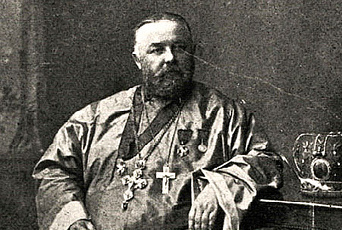
More than a century ago the Vatican cracked down on a small liturgical group within the Church in an effort to establish unity, to disastrous results. Is history repeating itself with today’s traditionalists?
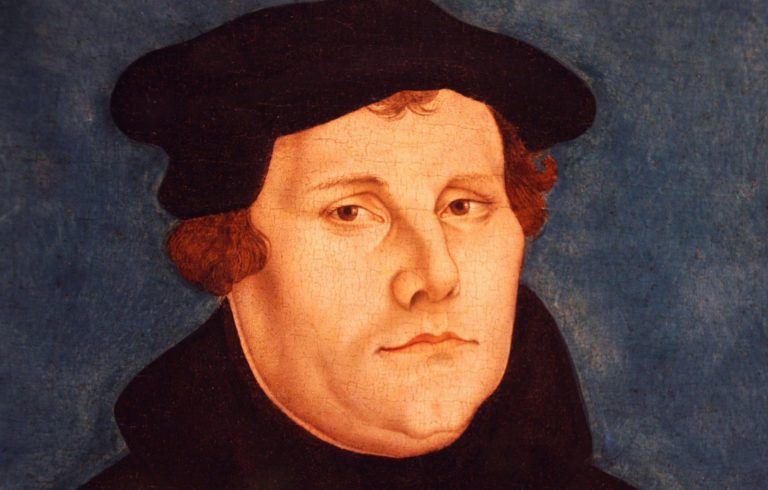
Luther’s theological positions were disastrously wrong, but his anguished search for certainty of his own salvation humanized him for me, as much as his screeching diatribes against the Church repulsed me.
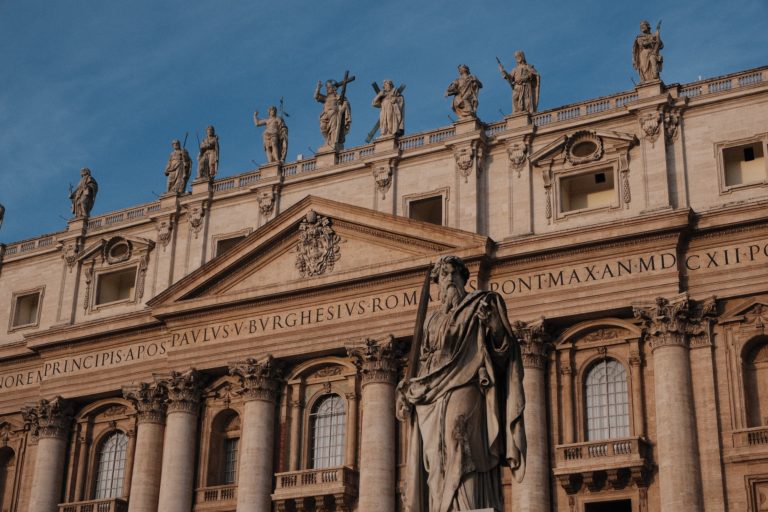
Does the Catholic Church need Latin? Most Roman Catholics now worship in the vernacular, and some argue that with good translations available, Catholics do not need to acquaint themselves with it, outside of a few specialists.

Twitter can force even the most powerful people on earth to listen. The Democrats learned this lesson all too well, which is why they were so invested in quashing news stories that might harm Joe Biden’s campaign in 2020.
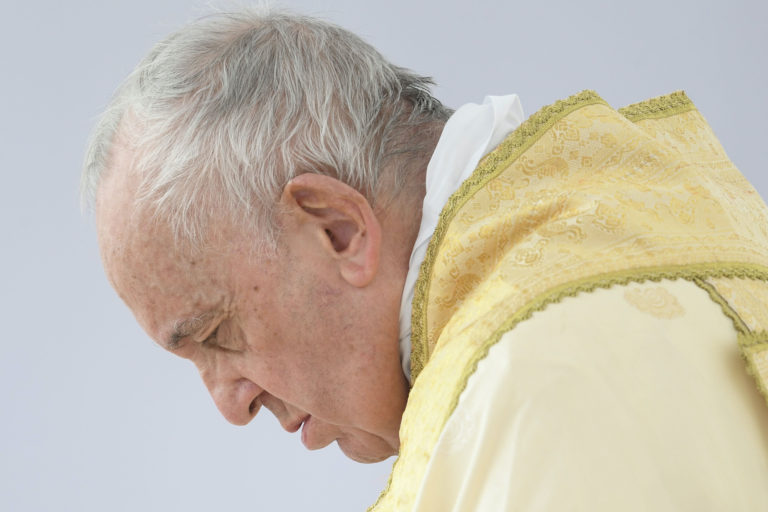
What was so awful about the pre-Vatican II Church that its memory needs to be obliterated and those who hold to doctrines that are ancient in provenance must be labeled as “rigid” and psychologically damaged?

For unmarried women, the modern administrative state has taken the place that husbands traditionally occupied as provider and protector in what some have referred to as “bureaugamy.”
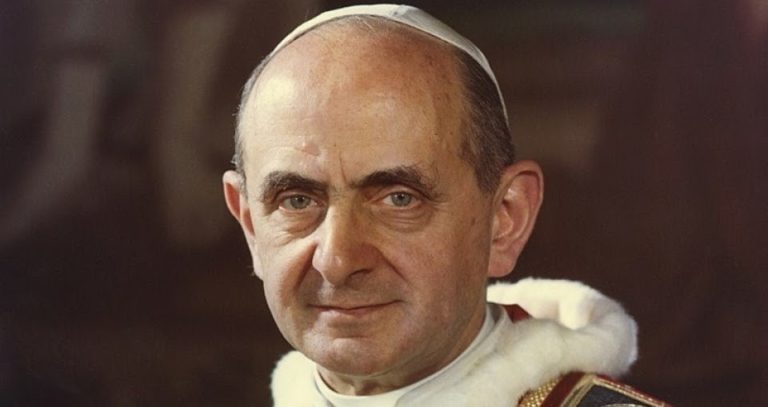
Pope Francis seems to think he has taken up the mantle of Pope Paul VI, who one writer has called “the first modern pope,” where Francis thinks his successors turned away from it.
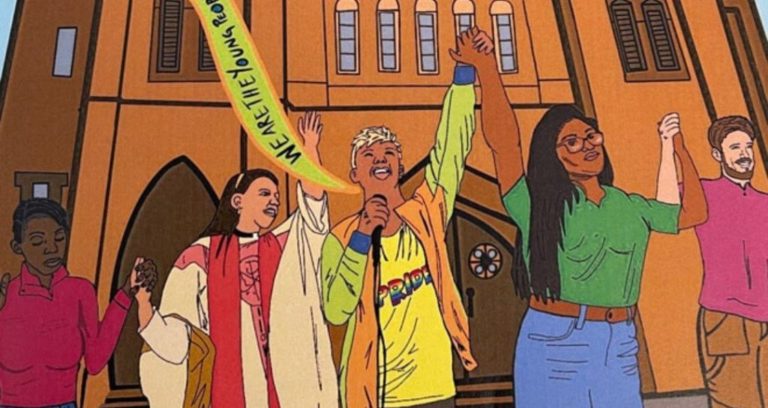
Despite all the talk of “building a new Church,” the energy of progressive Catholicism is all in the service of denial and destruction.
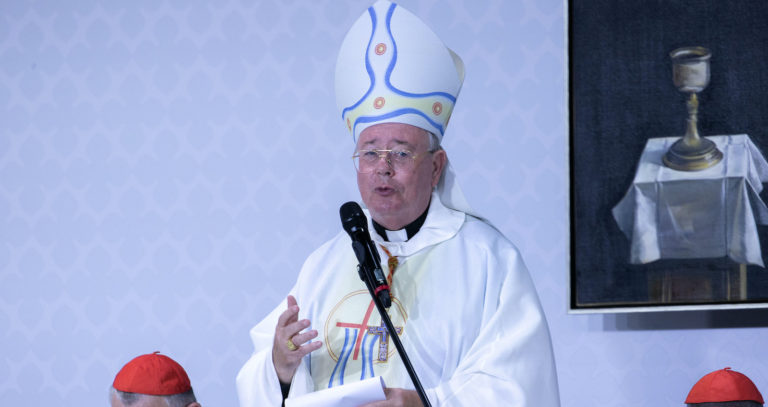
In the Church, specialists should not rule, but instead it is the bishops who should act as “experts of the whole.” But, in practice, they often abandon this duty.
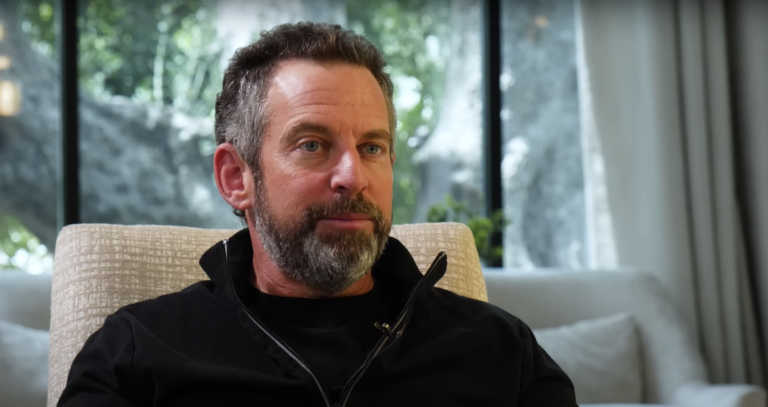
Sam Harris mocked religion by asking “Where is Heaven?”, but his question is a good one that Christians should be prepared to answer.
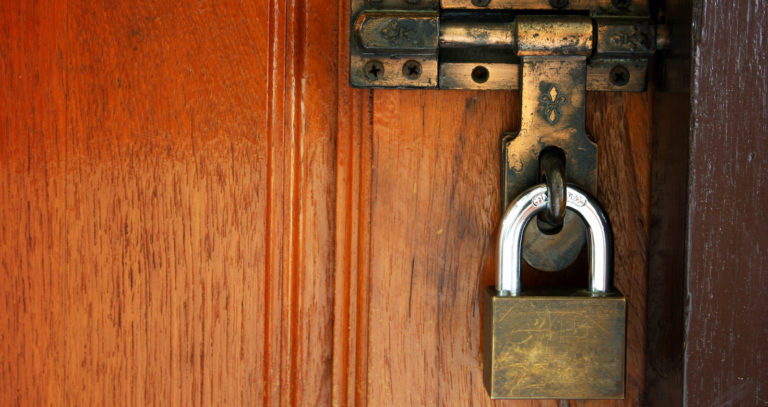
The story of a small faithful parish unable to weather the storm of Covid and diminishing numbers.
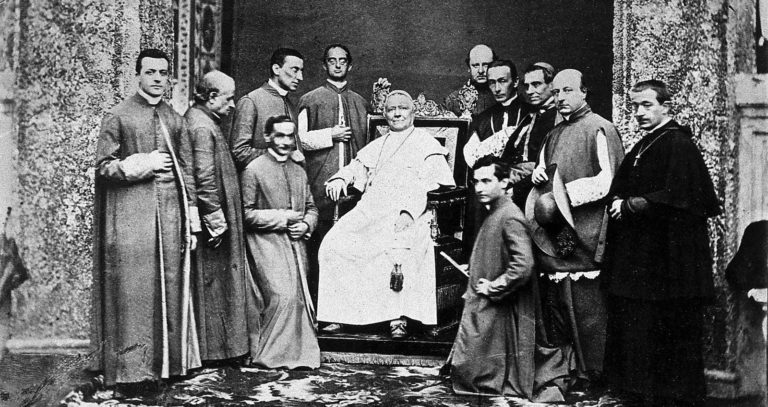
The rise of the popular Catholic press was crucial to the development of ultramontane sentiment on a popular level in the nineteenth century, and its impact is still felt today.
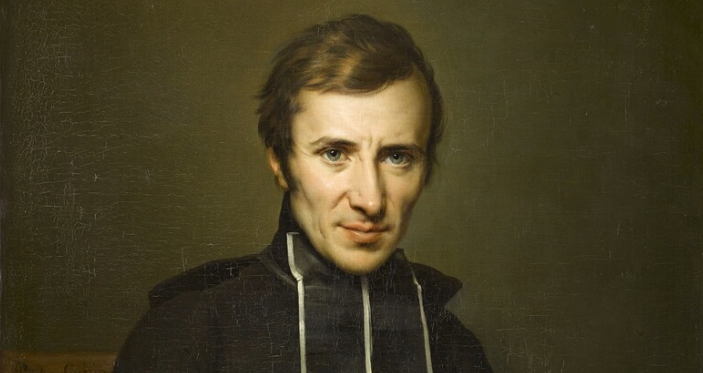
An obscure 19th century French Catholic priest was actually the forerunner for today’s Catholic liberalism. Looking back on his life can be instructive for the Church moving forward.

The Founders’ republican ideals put a premium on personal independence, and having a population that could defend itself was part of that tradition. Moreover, it was also considered a check against tyrannical governments.

Our social media addictions are interfering with our prayer lives and, ultimately, our relationship with Christ.