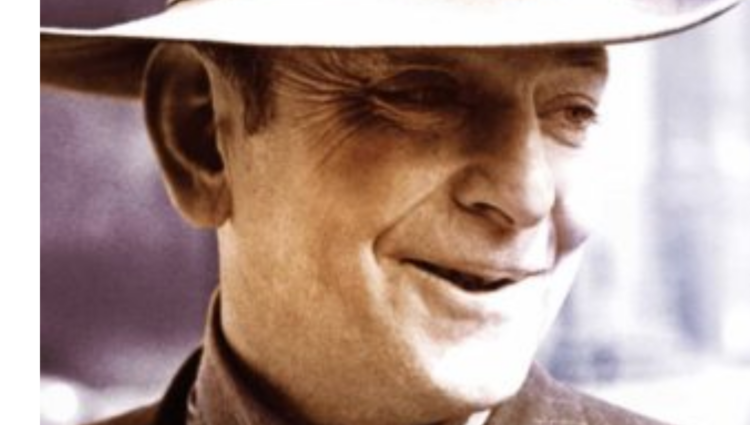
C.S. Lewis & Roy Campbell: The Best of Friends & Enemies
A look at the controversial and complex relationship between C.S. Lewis and Roy Campbell.


A look at the controversial and complex relationship between C.S. Lewis and Roy Campbell.
Roy Campbell is mostly unknown today, but he once enjoyed fame and endured infamy—attacked bitterly by C.S. Lewis and defended vociferously by J.R.R. Tolkien.
St. Nicholas Owen was one of the Forty Martyrs of England and Wales, killed during the reign of King James I.
We need to recognize those lesser-known saints whose lives of heroic self-sacrifice have been forgotten, the heroes who helped build Christendom.
In the midst of a long but temporal defeat, Christians can find encouragement in glimpses of our final victory.
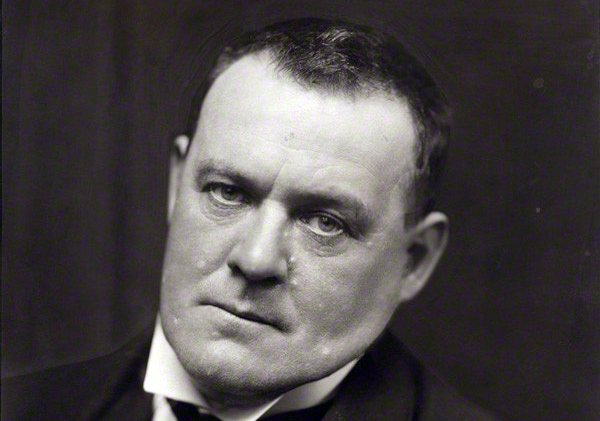
Trying to encapsulate the scope of Hilaire Belloc’s achievement in a brief essay is akin to trying to capture the immensity of the seas that he sailed in the finiteness of the flagons from which he imbibed.
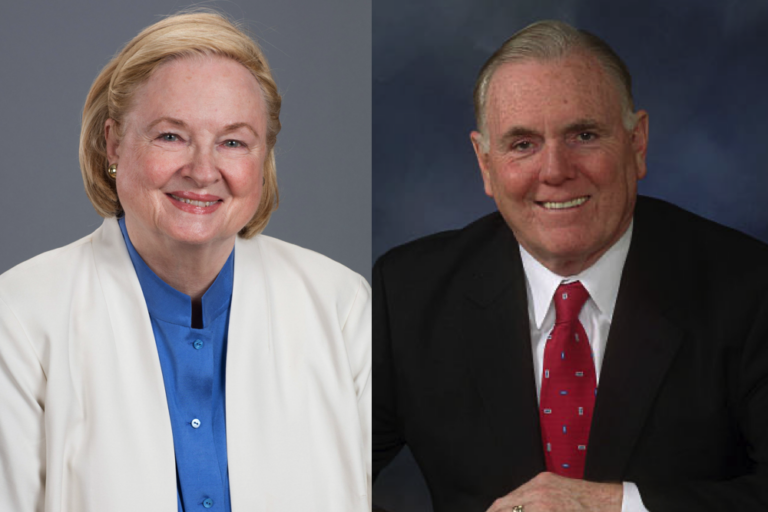
With the death of St. Augustine Press founder Bruce Fingerhut, Christendom lost a great culture warrior.
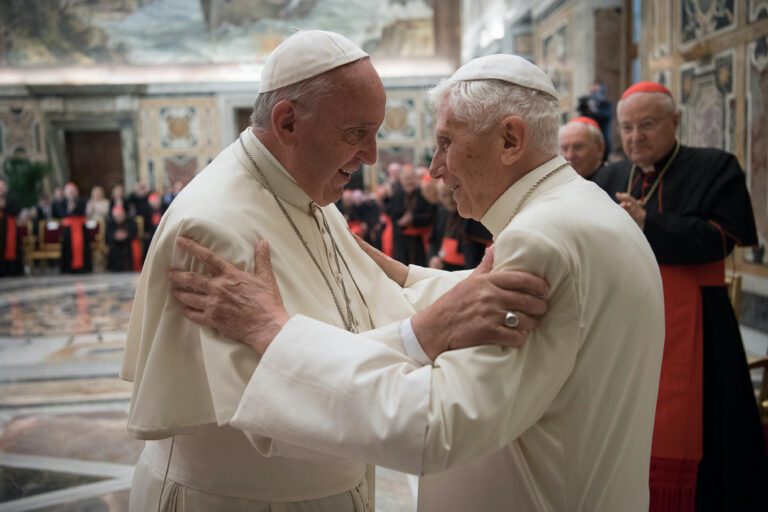
As a young man, I was consumed by anger at the state of the world and hated those I thought responsible. Save me, Lord, from falling into that trap today regarding the Church.
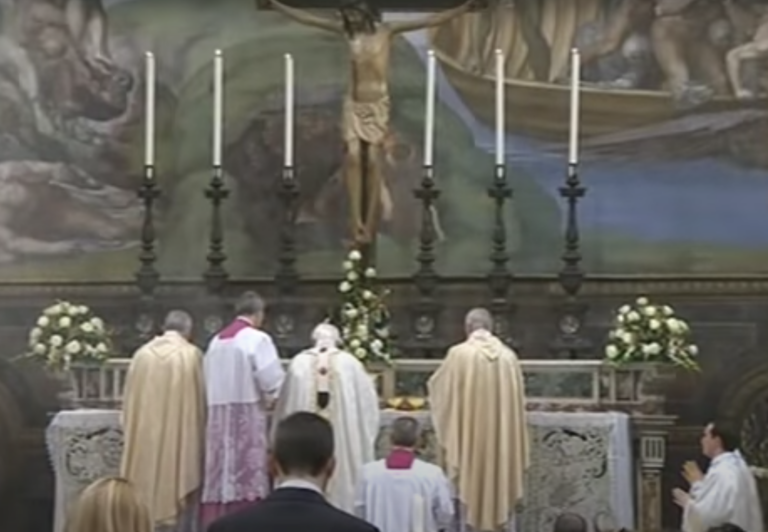
The celebration of the Mass ad orientem is the orientation of man toward his true home in Heaven, pointing him in the right direction for the journey home.
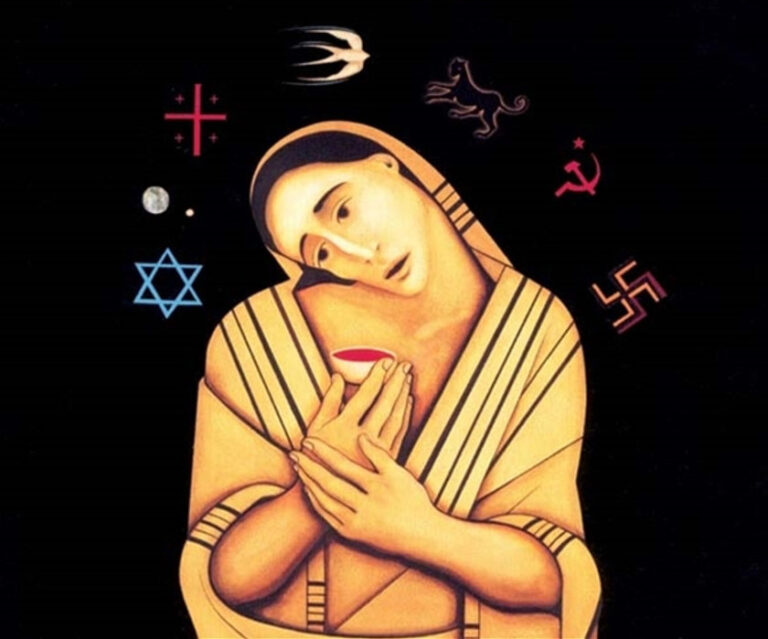
One of the particular strengths of Father Elijah is the way in which O’Brien brings his eponymous hero to fully-fledged and fully-fleshed life.
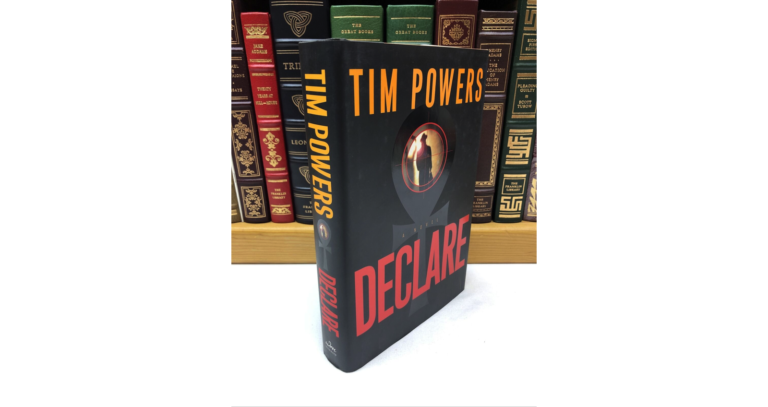
Tim Powers, the author of “Declare,” stands out from the crowd of contemporary novelists because he is a faithful Catholic who has somehow managed to swim in the toxic mainstream without compromising his faith or principles.
Some authors and some books are not as well-known as they should be. This is indubitably the case with George Mackay Brown and his tour de force of a novel: Vinland.
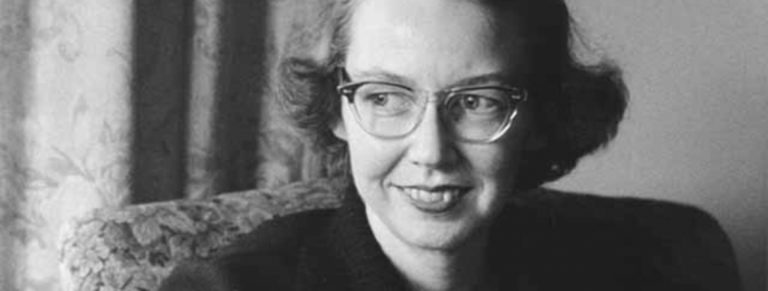
Flannery O’Conner’s modus operandi as a writer was the employment of violence and the grotesque to shock her readers out of their somnambulant indifference to truth.
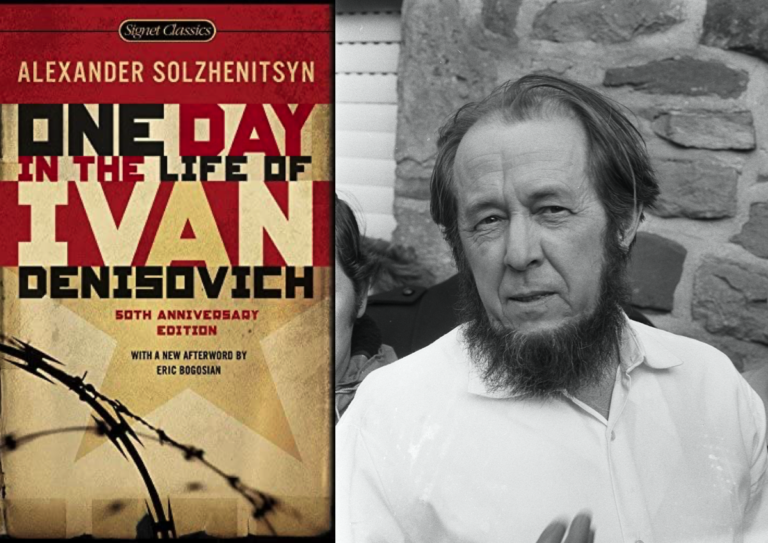
There can be few more worthy winners of the Nobel Prize for Literature than Alexander Solzhenitsyn, who illustrates in his life and work the power of literature to transform society.
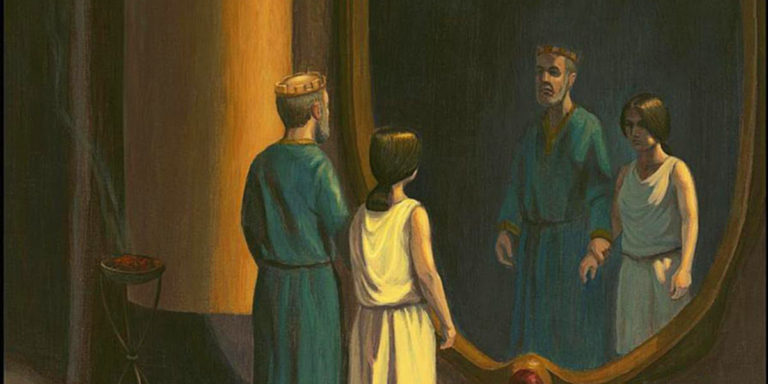
C.S. Lewis called Till We Have Faces “my best book” and “far and away the best I have written.” He said it was the “favourite of all my books.”

According to its author, J.R.R. Tolkien, The Lord of the Rings “is, of course, a fundamentally religious and Catholic work.”

At its deepest level, The Hobbit can be seen as a parabolic commentary on the words from St. Matthew’s Gospel that where our treasure is, there our heart will be also.
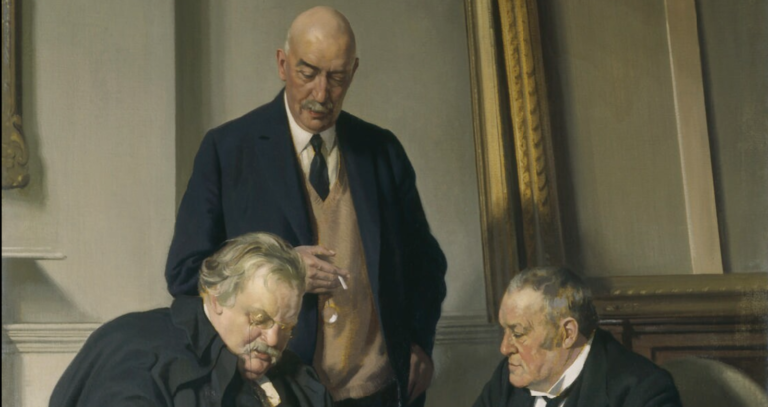
“C” by Maurice Baring is little known, but received the highest of praise from the French novelist André Maurois, who wrote that no book had given him such pleasure since his reading of Tolstoy, Proust, and certain novels by E.M. Forster.
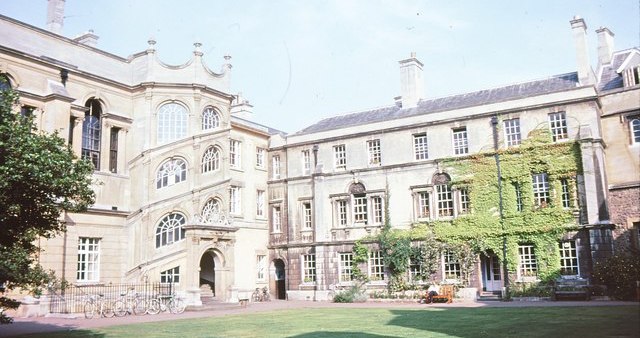
The theme of Brideshead Revisited is the operation of divine grace on a group of diverse but closely connected characters.
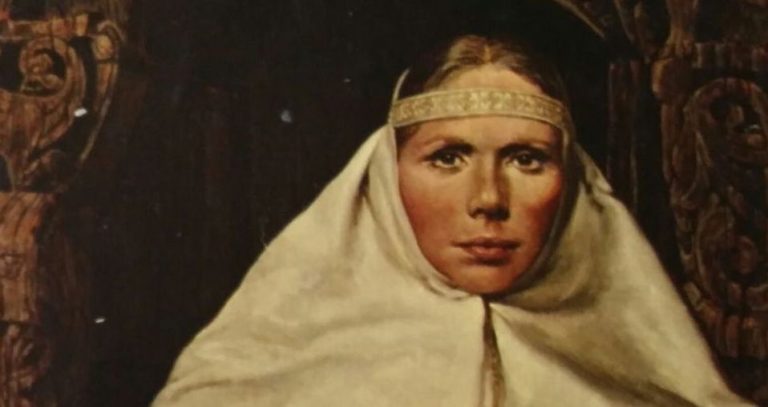
The power and profundity of Kristen Lavransdatter has as its source the author’s profound understanding of the meaning of life.