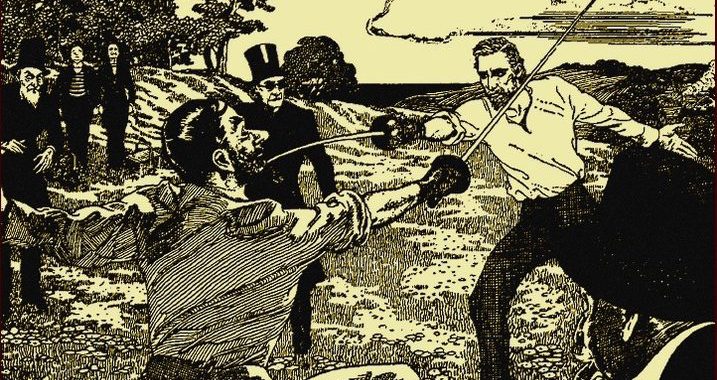
The Man Who Was Thursday in a Nutshell
The Man Who Was Thursday shows us the paradoxical truth that it takes a big man to know how small he is.


The Man Who Was Thursday shows us the paradoxical truth that it takes a big man to know how small he is.
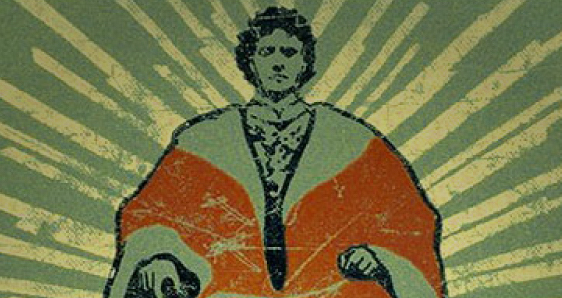
Lord of the World foresees with astonishing prescience the rise of the cult of personality, long before the rise of Lenin, Stalin, Mussolini and Hitler
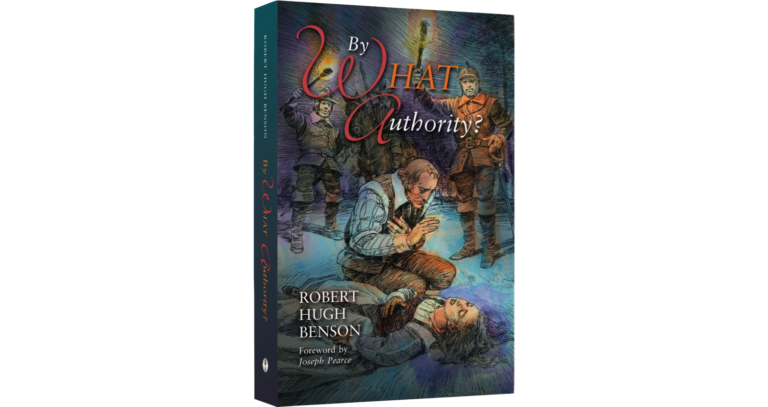
“By What Authority” brings the period of the Tudor Terror to life in a way that is hardly possible in a non-fictional historical narrative. We get to know the characters as they come to terms with the tyrannous time in which they’re living.
Home, like Rome, is a “holy place,” and The Four Men is full of spiritual premonitions of “the character of enduring things” amid the decay of time.
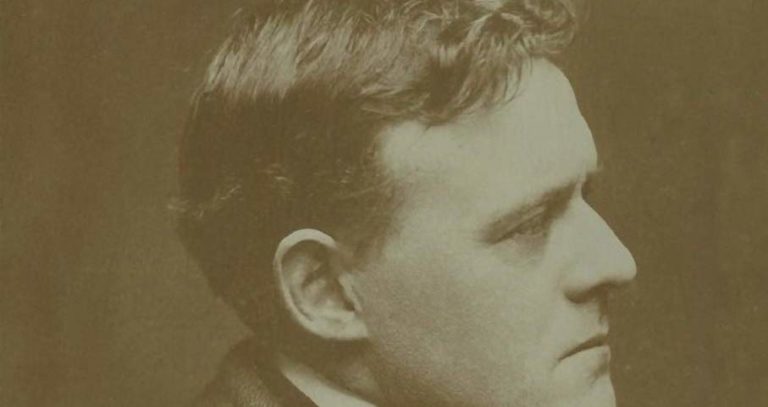
The Path to Rome by Hilaire Belloc is a work of humility and awe, of gratitude and hope, of faith and love.
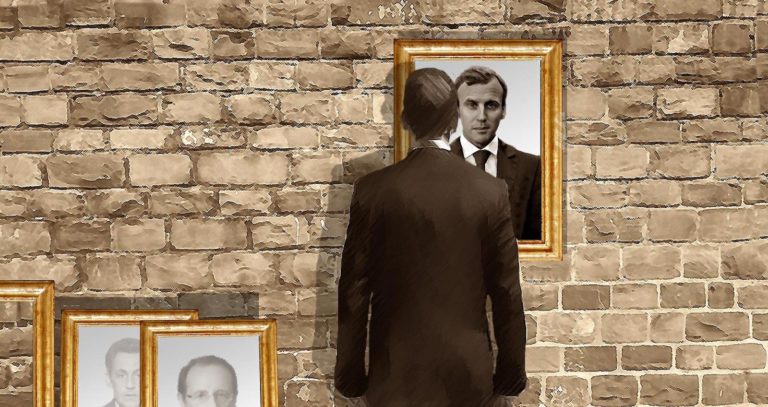
There are indeed such things as moral and immoral books, whether well written or badly written. Moral books show us ourselves and our place in the cosmos.
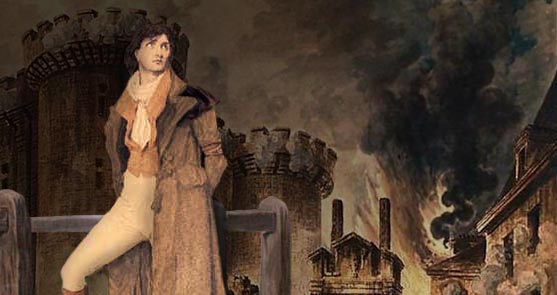
Charles Dickens is arguably the finest writer in the English language after Shakespeare, and his “Tale of Two Cities” is by far his most popular work.
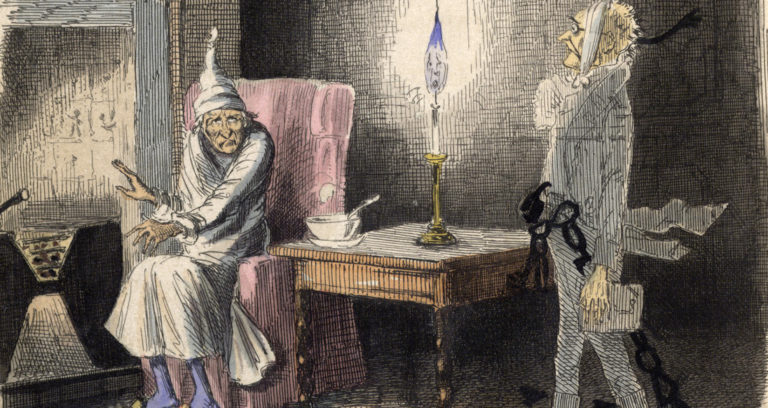
It may be Eastertide, but Christmas is in the air as Joseph Pearce continues his review series on the classics of Western literature.
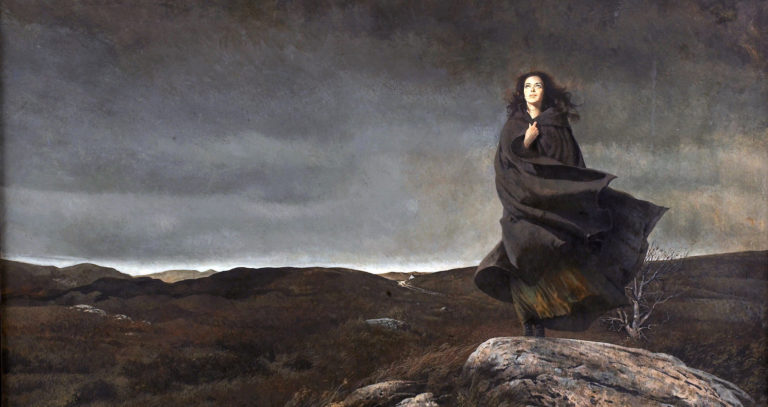
The darkness of Wuthering Heights is driven by the refusal of the novel’s principal protagonists to love their neighbors or to forgive those who have sinned against them.

The dissolution of the English monasteries is a blight on English history, and an example of a State grown out of control.
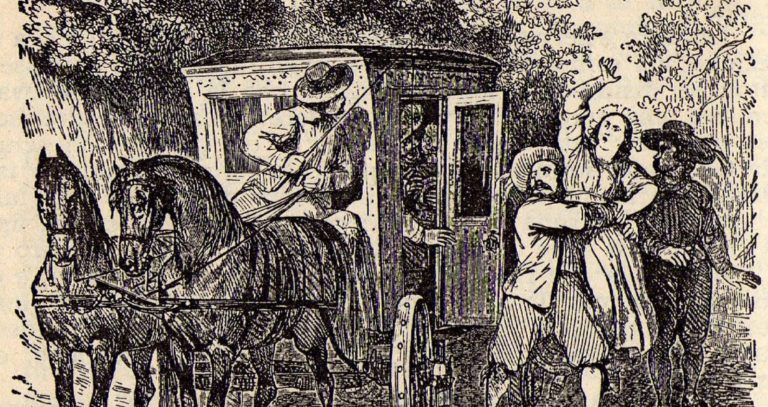
“The Betrothed” by Alessandro Manzoni is little known, but could be acclaimed as the greatest ever novel.
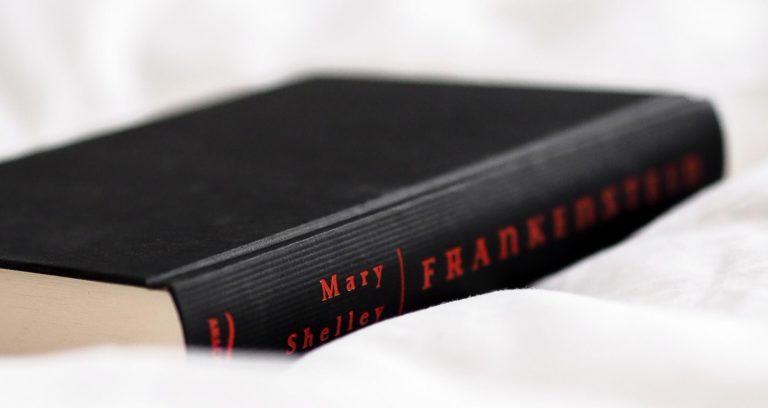
Mary Shelley seems to have learned the hard way that iconoclastic “freedoms” do not make men into gods, or women into goddesses, but that they turn men into monsters and women into their victims.
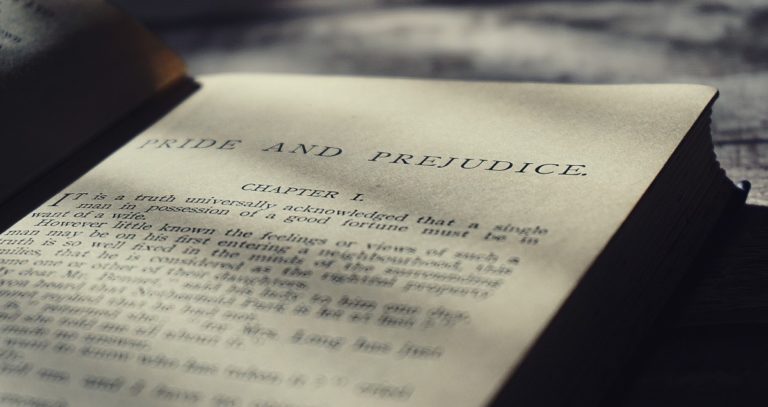
Whereas sense and sensibility can be separated, with disastrous consequences, pride and prejudice are always inseparable, the former always resulting in the latter.

Solzhenitsyn insisted on the rights of localities to determine their own destinies, free from the coercive force of alien and alienating central government, whether that government was in Moscow or Kiev.
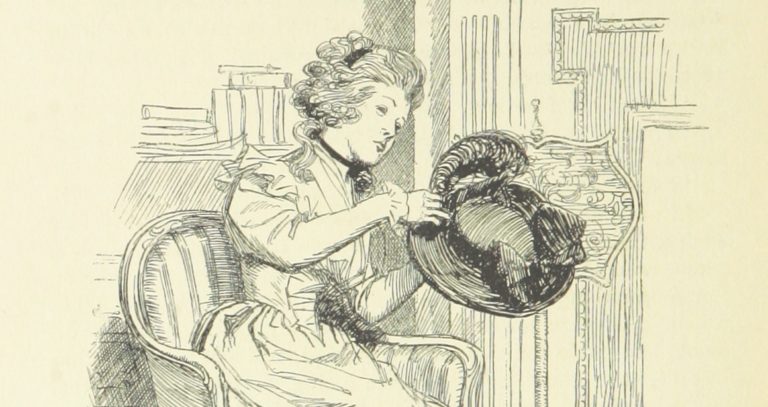
Jane Austen is a giantess among giants, towering above the greatest writers of her own sex and indeed of both sexes. She holds her own among the greatest of all time.
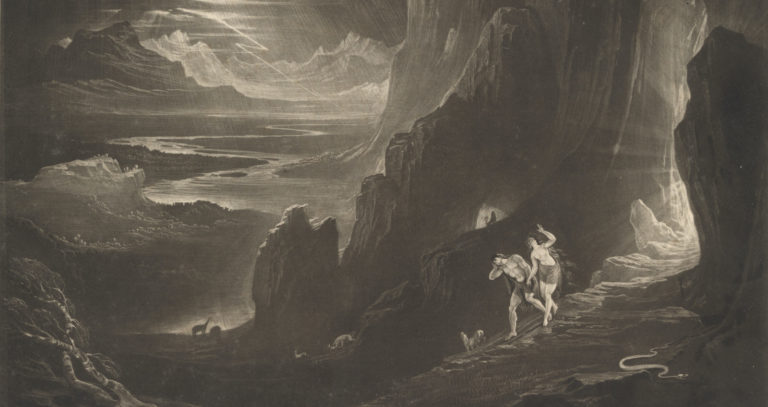
Milton became so heterodox, denying the Trinity and therefore the true divinity of Christ, that it is arguable that he cannot justifiably be called a Protestant or even a Christian.
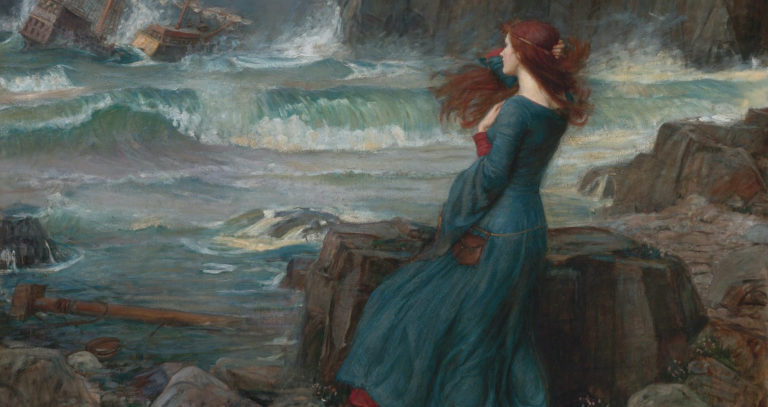
The Tempest has unfortunately suffered the slings and arrows of outrageous abuse by modern critics, particularly critical race theorists.
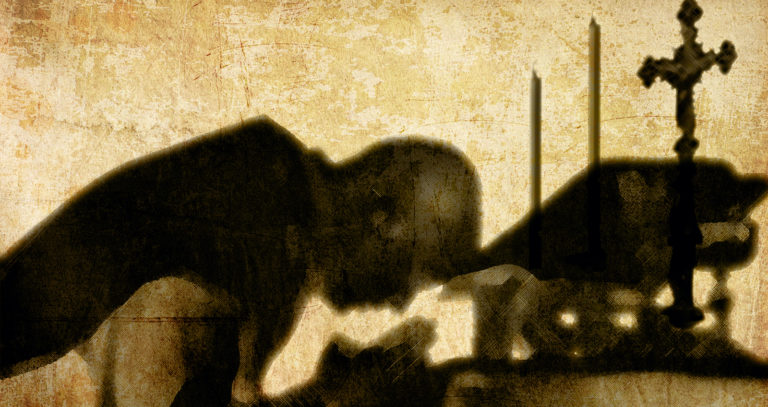
As I overcame my fear and ignorance of the traditional liturgy, I found myself falling in love with it.