The Dangerous Hope for an Empty Hell
A hope for an empty Hell has massive—and dangerous—implications for how one lives.


A hope for an empty Hell has massive—and dangerous—implications for how one lives.
In many ways, the clarification published by Cardinal Fernández is even worse than the original document it purports to clarify, Fiducia Supplicans.
The Church, which has always stood for sanity, may have to ask the Pope to step down in order to make things sane again.
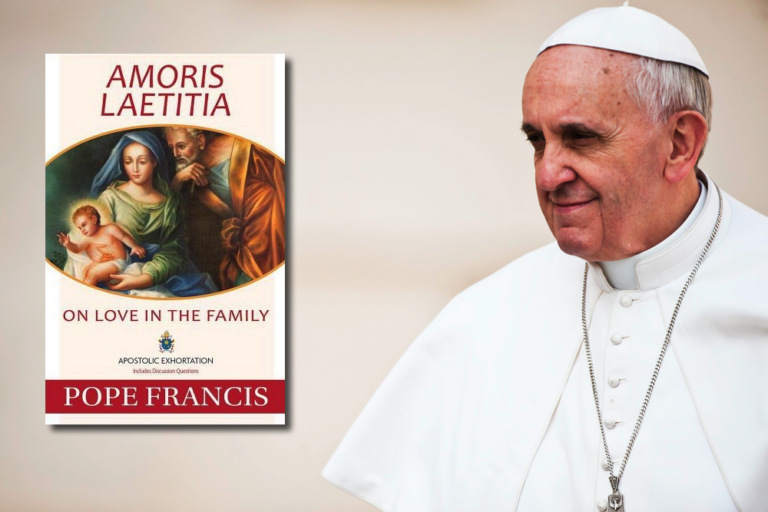
Fiducia Supplicans directly flows from principles and premises articulated in the apostolic exhortation Amoris Laetitia.
A year that began with the death of Pope Benedict XVI ended with an open revolt against Pope Francis. After a decade of “making a mess,” it appears even the bishops are tired of the constant battles and controversies of this pontificate.
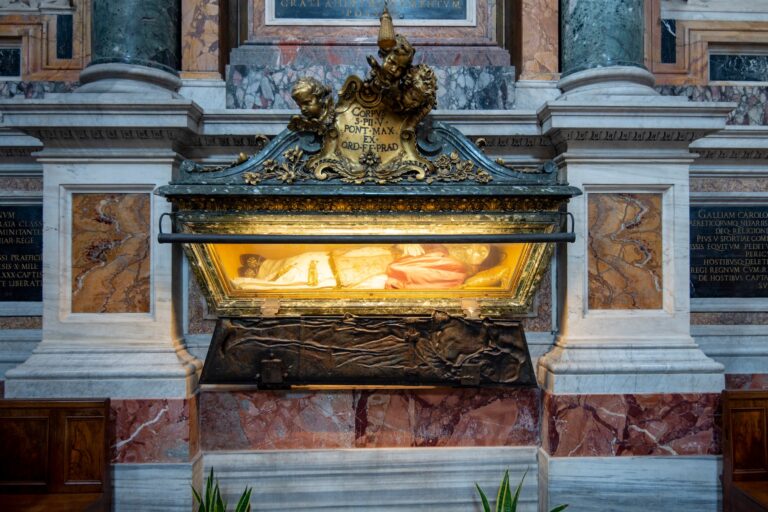
Rather like a flame that burns brightest before it is extinguished, there has been a flurry of papal pronouncements, paving the way for what may be a course entrenched, if not irreversible, for his successor to face.
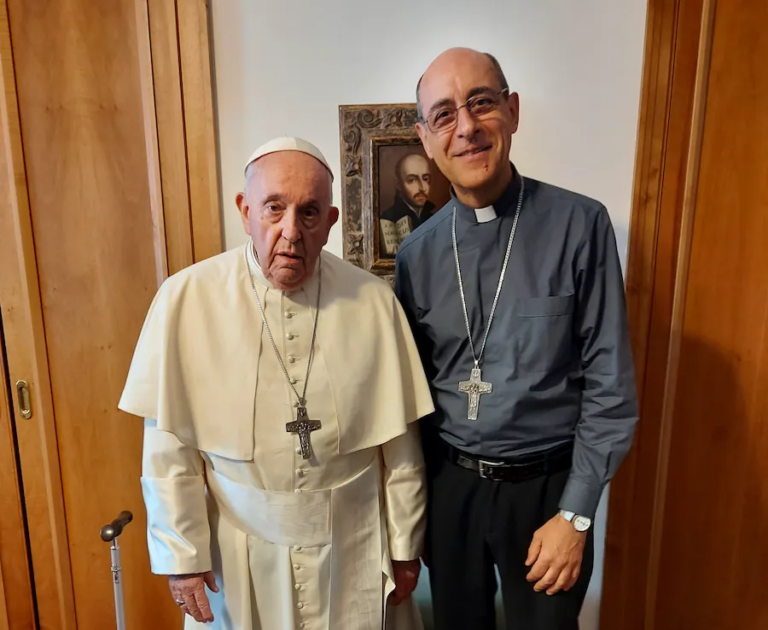
A former Episcopalian priest reflects on the Vatican’s allowance of pastoral blessings for same-sex couples.

The only way to make Fiducia Supplicans orthodoxish is to pretend that two words that mean the same thing when used in the same context do not mean the same thing when used in the same context.
If you knew that the person was going to misunderstand your blessing, would it be right to let him or her be in vincible ignorance?
The new Vatican document approving the blessing of same-sex couples has caused a lot of controversy in the Catholic world, and sadly, many Catholics are not being forthright about what the document says.
The Vatican’s approval of blessings for same-sex couples and couples in “irregular situations” reflects a divorce between morality & pastoral practice, liturgy & life, and orthodoxy & orthopraxy.
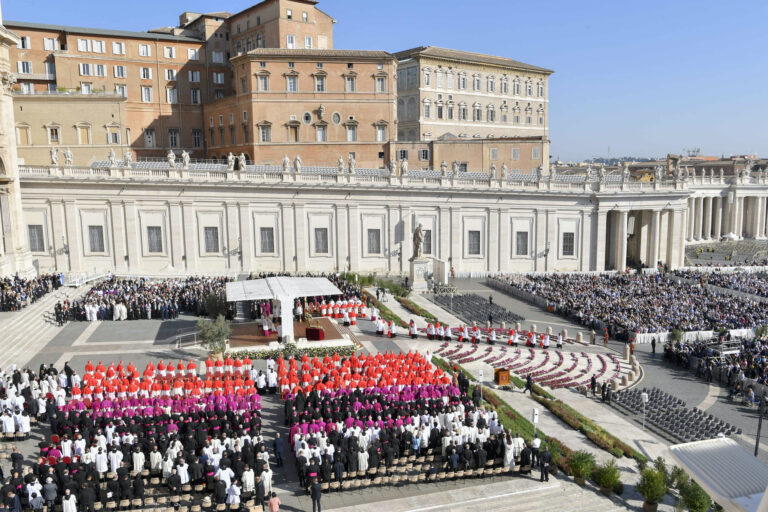
Trust in institutions is at an all-time low, and this includes the Catholic Church, whose leaders have done little to generate trust.
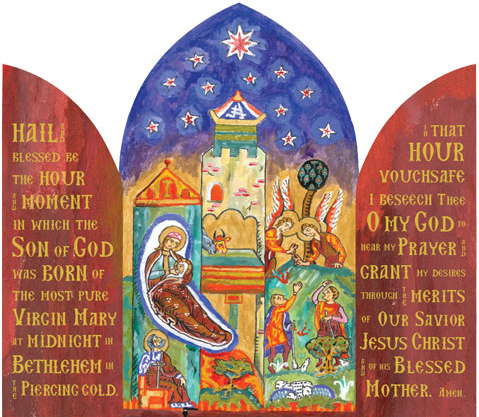
St. Andrew’s prayer might be just what his brother’s successor needs right now.
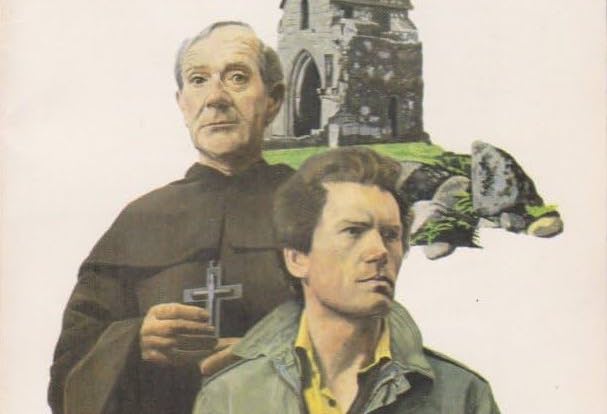
The sacking of Bishop Strickland brings to mind the sad plot of Brian Moore’s novella “Catholics”.
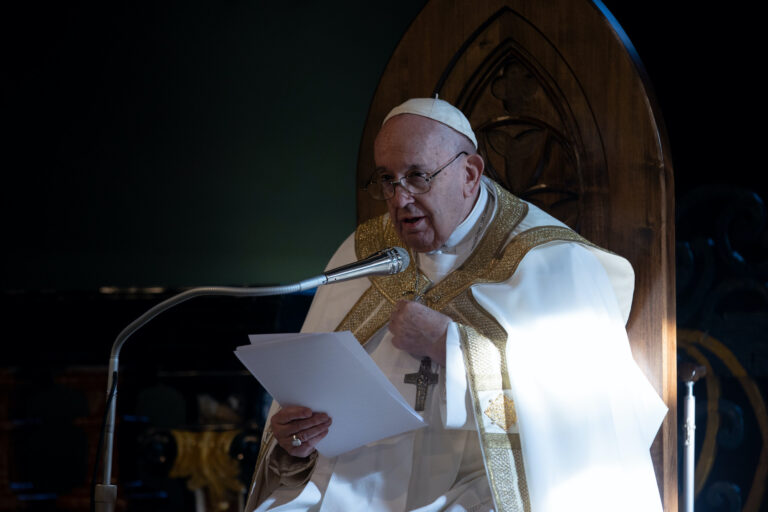
Many Catholics argue that we must always give the pope the “benefit of the doubt.” But is this true? Do we always have to assume the best of intentions in the pope’s words and actions?
In Pope Francis’s favorite book “The Lord of the World,” the fictional pope does not lead but rules the Church. Ecclesiastical power is centralized in his person. The Cardinal Legates are his supervisors of the local Church. Some might see a pattern here.
The ouster of Bishop Strickland is another example of a lawless pope tyrannizing the Church. But ultimately, what can the average Catholic do about it?
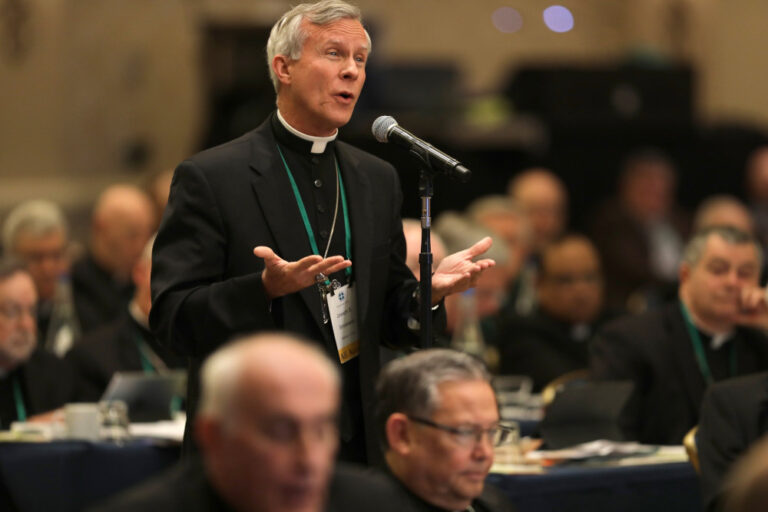
The removal of Bishop Joseph Strickland is the culmination of a process that began on a cold morning in Baltimore five years ago today.
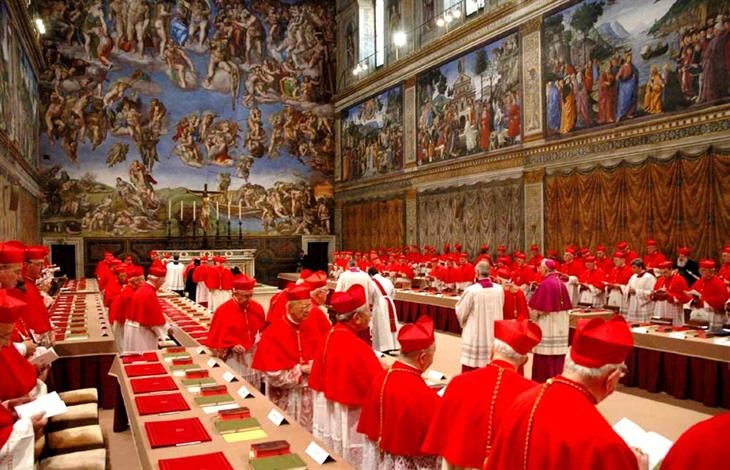
Pope Francis is contemplating radically revising how the next pope is elected; among the revisions is the inclusion of papally-appointed lay electors.
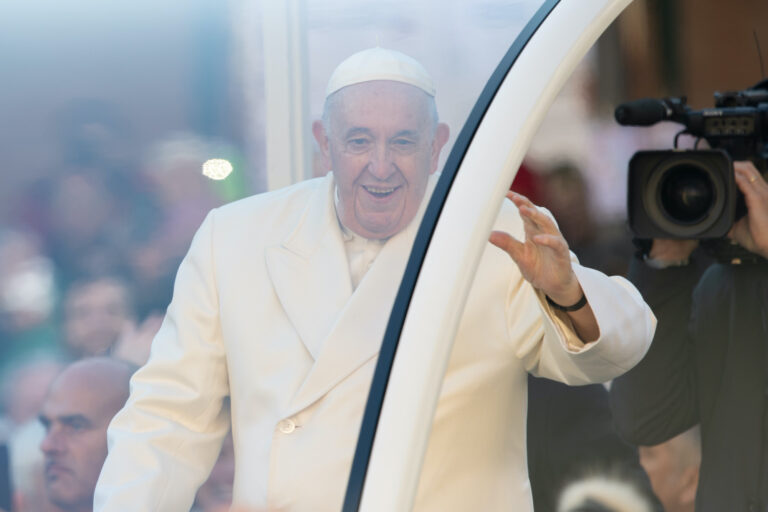
I am powerless to argue matters over with the Holy Father. But I’m not completely powerless, because I can pray.