Our Emersonian Pontiff
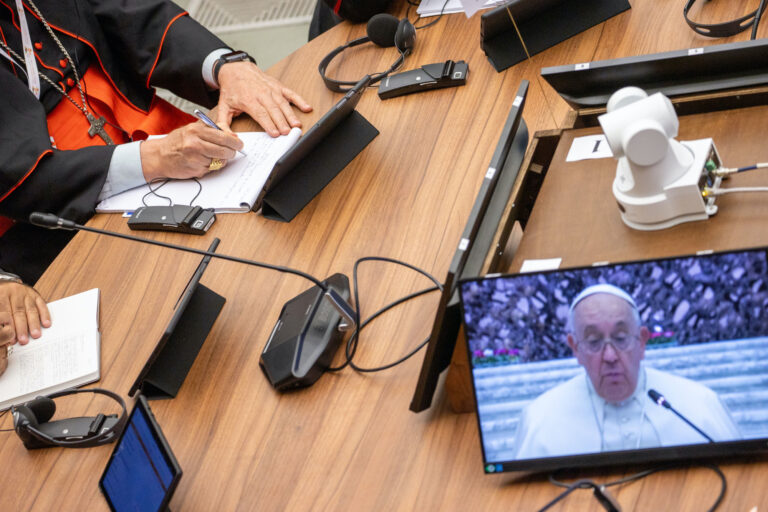
Is clerical haberdashery really such a problem that it merits a prominent place in the pope’s intervention in a synod as overhyped as the one concluding in Rome these days?

Is clerical haberdashery really such a problem that it merits a prominent place in the pope’s intervention in a synod as overhyped as the one concluding in Rome these days?
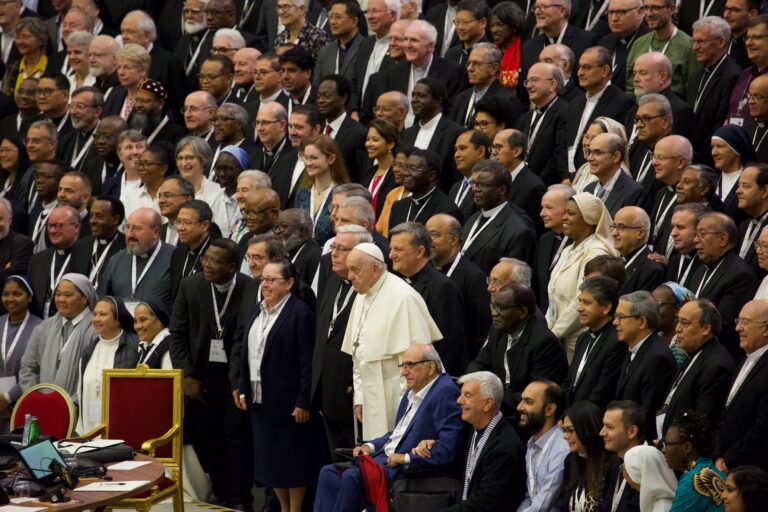
History has demonstrated that the Holy Spirit has a way of confounding conventional expectations.

Same-sex unions are not even unions, only a parody, both sad and sterile, of a relation that is not real.
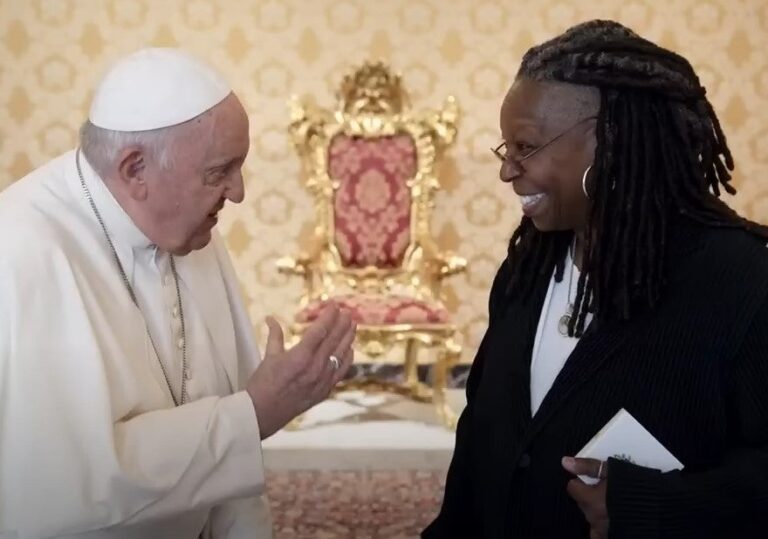
The Church is in a bad way when her pope alienates faithful Catholics while bonding with her detractors.
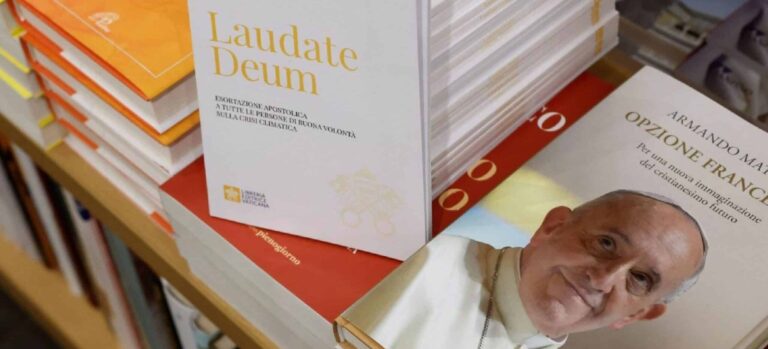
Are we witnessing the hollowing out of the Catholic Church’s origins, foundation, mission, and liturgy—including the proclamation of the Gospel—for purposes extraneous to the Church?
Should the Church allow same-sex unions to be blessed it would be an empty mercy—a mercy that cannot save because it is a “mercy” divorced from the truth of Christ.
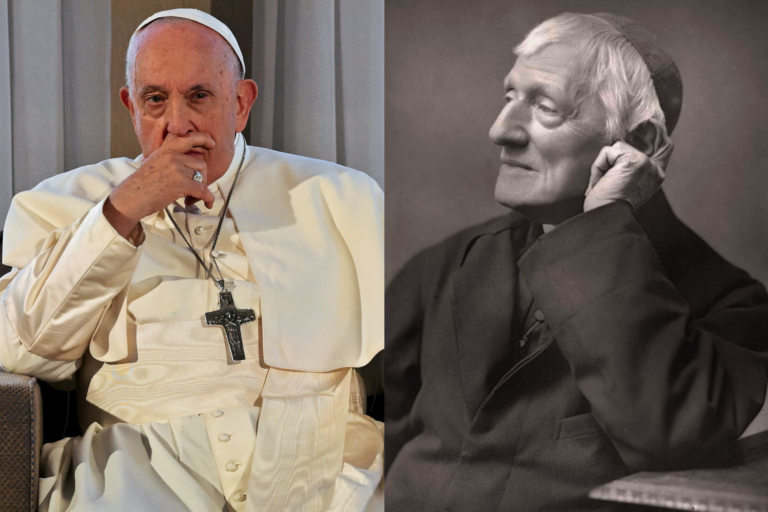
By his abuse of Catholics’ already-unhealthy overemphasis on the papacy, Pope Francis is leading many of them to now look more closely at the underlying official teaching.

Like popes of old, Francis speaks of a coming apocalypse, but unlike his predecessors, his view is natural rather than supernatural.
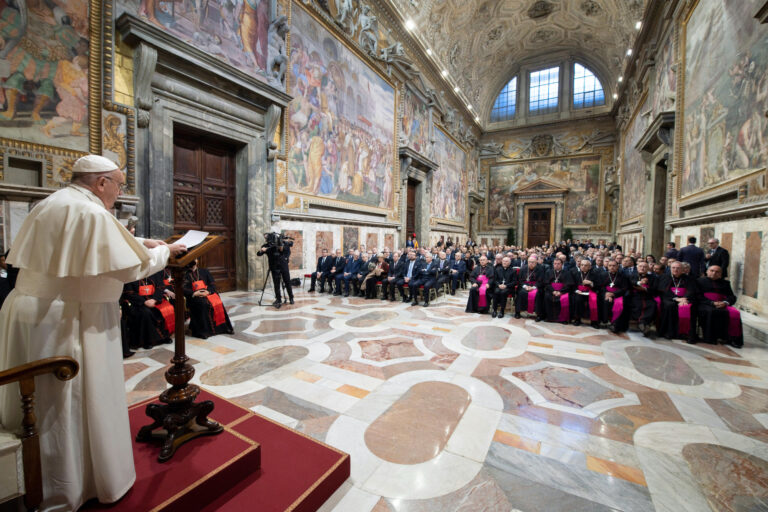
Within the pope’s response to the recent dubia there is a statement that threatens to undermine the Church’s ability to make definitive definitions about doctrine.
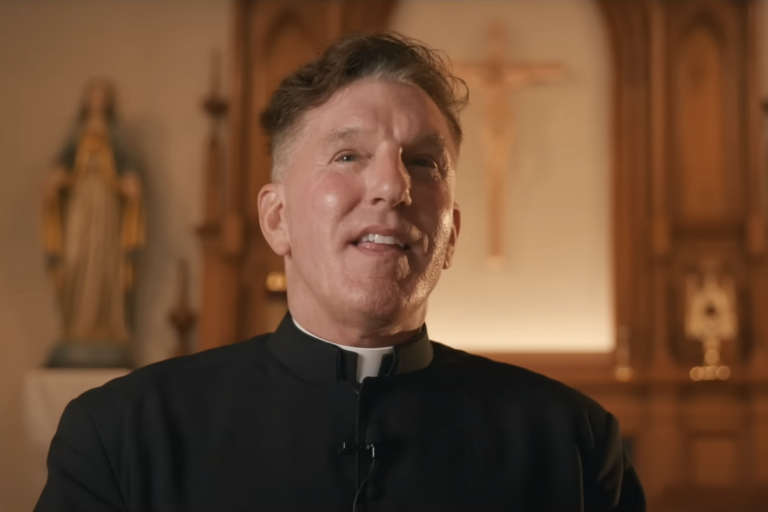
Fr. James Altman is largely correct in identifying today’s problems in the Church, but his cure is as bad as the disease.
Pope Francis is still going strong, but he’s not a young man and eventually his time here on earth will pass. What will the next pope face in the wake of this controversial pontificate?
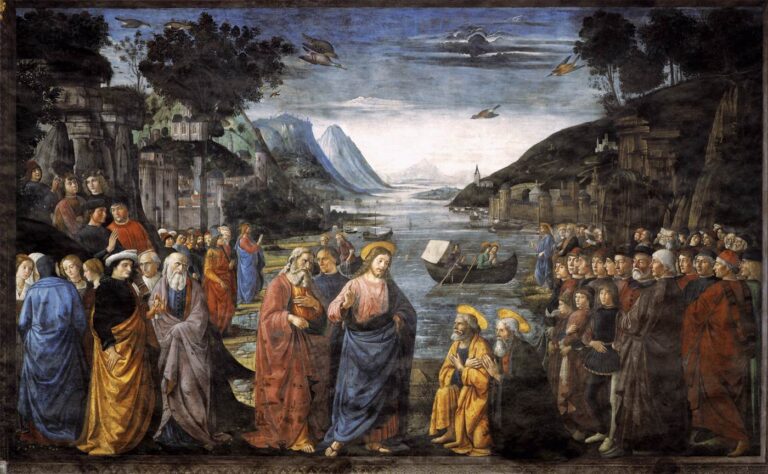
The pope is not a free agent. His authority, humanly considered, flows from his submission to and dependence upon Peter, that fisherman, that first pilot of the bark of the Church.
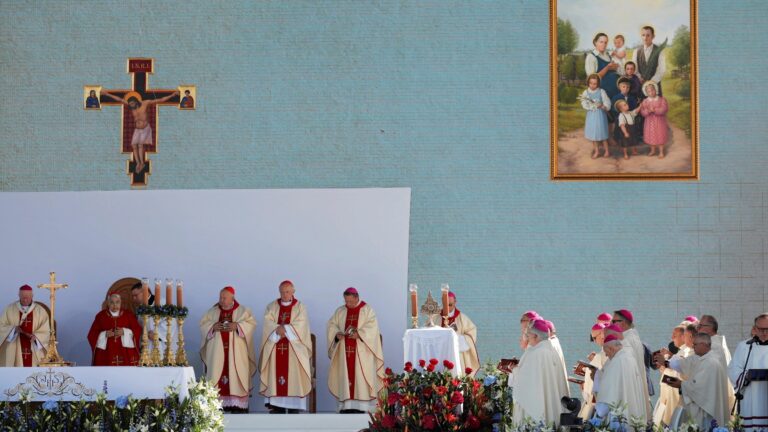
The tradition of the Church requires humility on our part—the humility not to say we know anything more or anything less than what we certainly know.
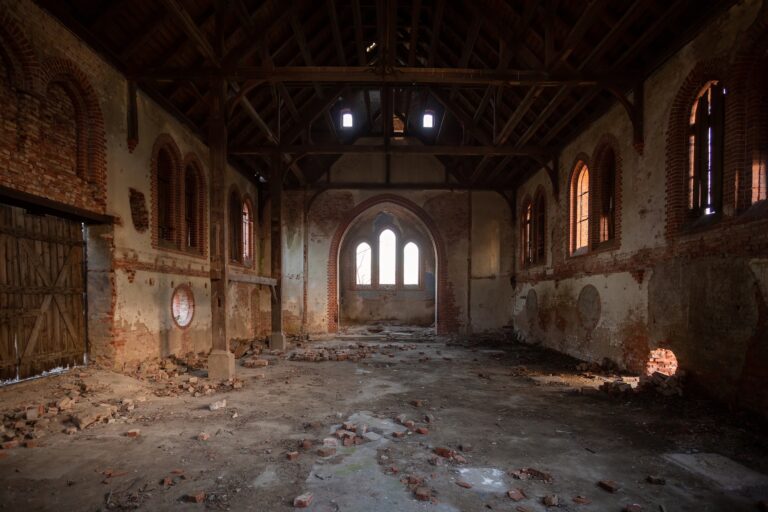
The “mess” in the Church today is reflected in the total lack of order found in ecclesial appointments and suspensions. The unfaithful are rewarded while the faithful are disciplined.
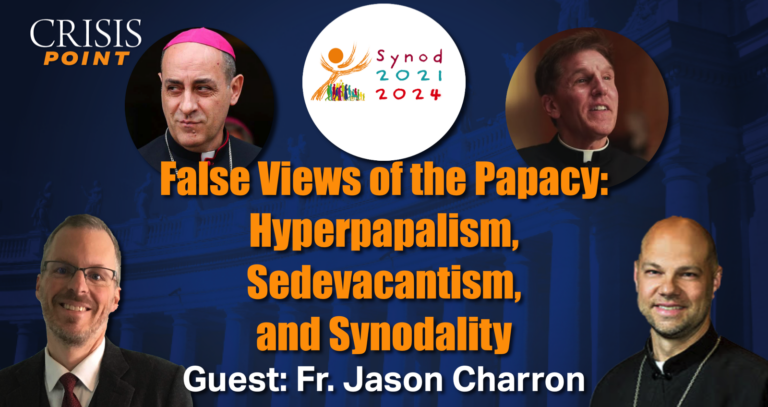
In this age of confusion, we see many competing ideas on how Catholics should understand the papacy. The most extreme forms—hyperpapalism and sedevacantism— both include an overexaggerated sense of the papacy. Synodality, at least on paper, appears to be the opposite extreme. Is there a better way forward?
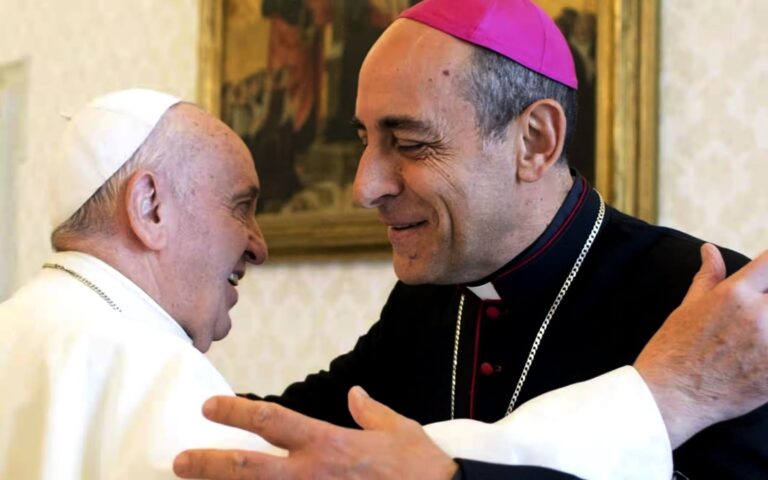
Archbishop Victor Fernández’s claim about a “doctrine of the Holy Father” runs the risk of collapsing all distinction between the magisterium and its normative sources, such as Scripture and Tradition.
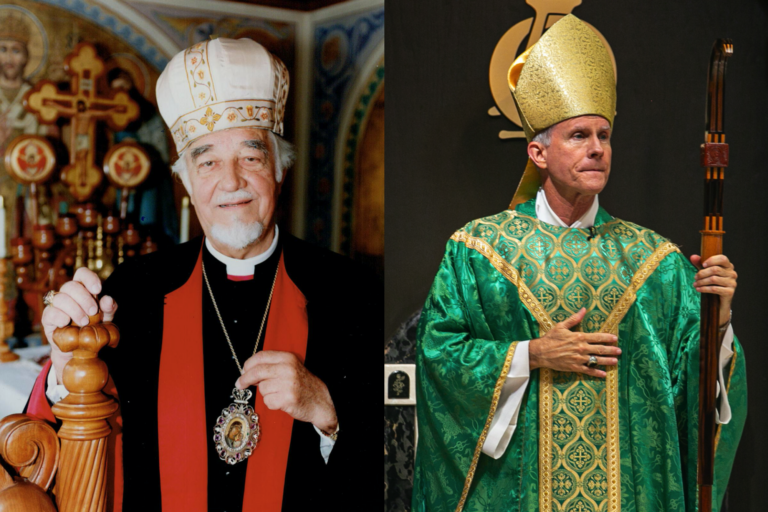
Would there be historical precedent if Bishop Joseph Strickland were to refuse to acknowledge his deposition if Rome should proceed with that step?
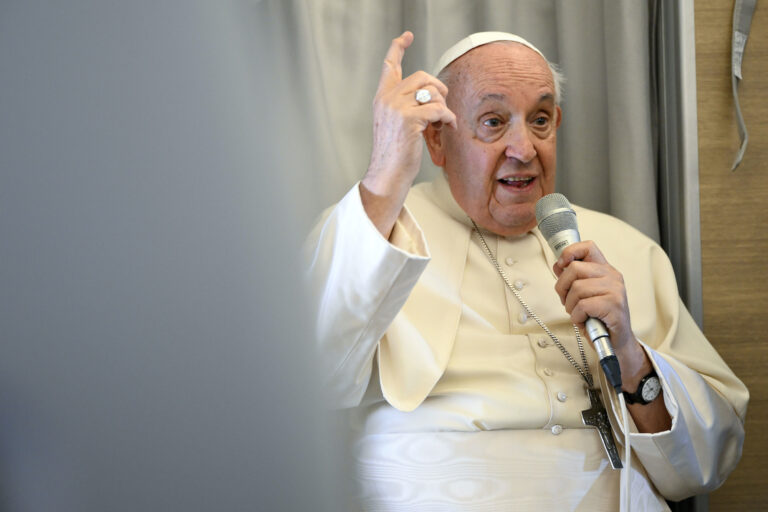
A religious leader should be very careful about spreading his thinking too thin; a pope is not an omniscient source of opinions about everything.