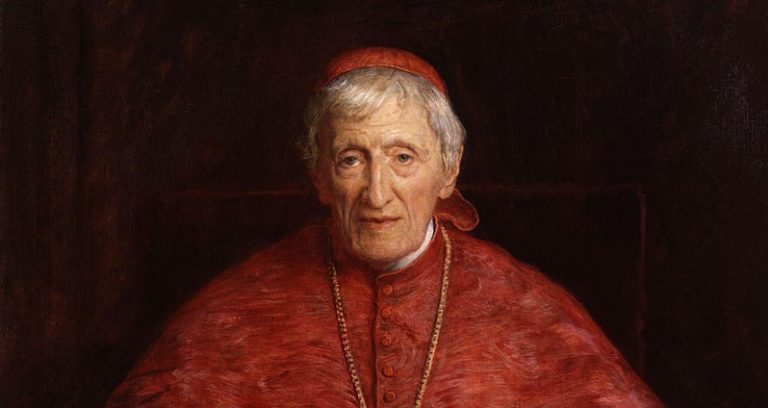
The Postliberal Doctor of the Church
A Doctor of the Church against the subjugation of Divine Revelation to the zeitgeist of human fads.


A Doctor of the Church against the subjugation of Divine Revelation to the zeitgeist of human fads.
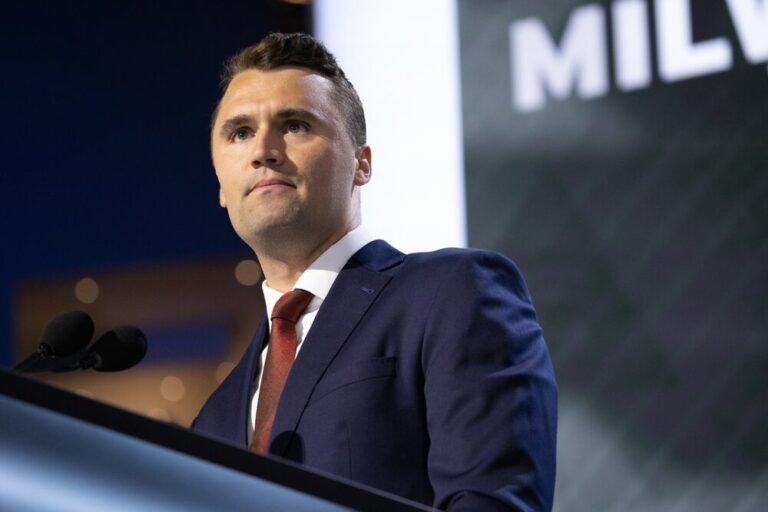
The solution to the collapse of America under the weight of Cultural Marxism is found in the roadmap of Charlie Kirk’s life.
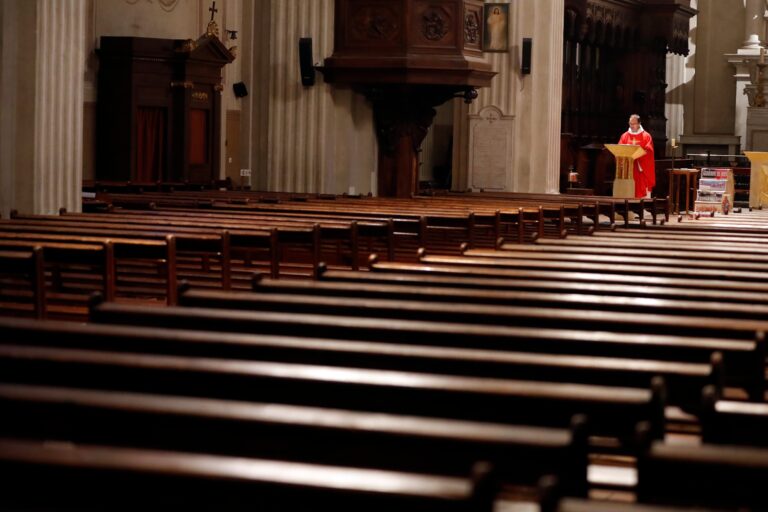
No one should be surprised by one of the recent Pew Study’s major findings, namely that “there are large divides between Catholics who attend Mass weekly and those who don’t.”

Liberalism is the earthquake that shatters and then removes any firm cultural ground to stand or build on. Liberalism prevents a society from planting a flag or staking a claim, from saying “This is good, beautiful, and true, and this is not.”

Trump’s election is a reaffirmation of the basically liberal character of United States; it was moderate liberals forced right by the far left wing of the Democratic Party that carried him to his win.
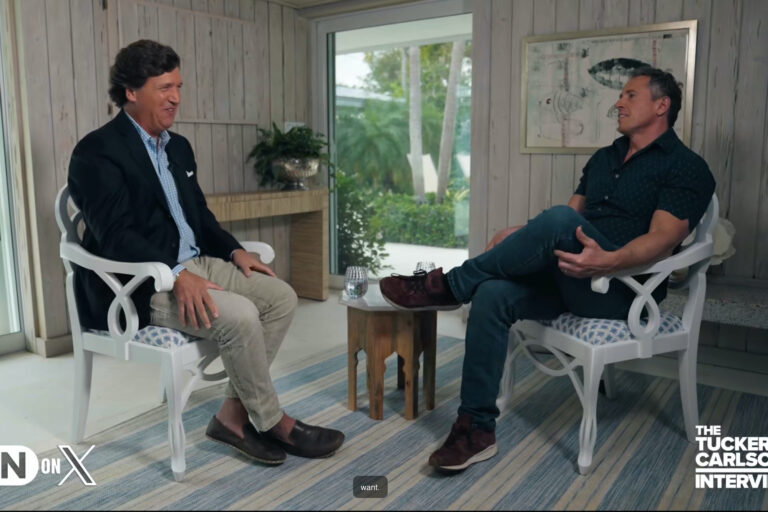
Tucker Carlson’s interview with Chris Cuomo was interesting in that it revealed the best of a broken Classical Liberal system.

Distributism often has poor economic reasoning behind it, but it also posits important points about the role of economies in a just society.
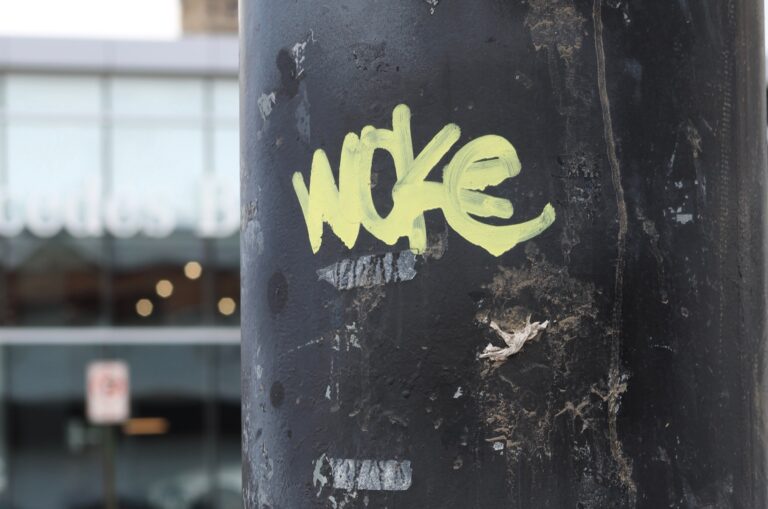
Many associate Wokeism as a form of Marxism, but it’s more accurate to say it’s a form of Liberalism.
I have just read a story sent out on July 3 by CWN regarding the suspension of Rev. Theodore Rothrock from public ministry by the Diocese of Lafayette in Indiana, where he was pastor at Saint Elizabeth Seton Catholic Church in Carmel. The offense that brought about his suspension was an item he wrote in … Read more
Sinclair Lewis (1885-1951), famous in his time but hardly ever read and nearly forgotten today, wrote two brilliant satirical novels (Main Street and Babbitt) and one gentle, bittersweet, and genuinely moving one (Dodsworth, about an uncultured Midwestern automobile executive who takes his socially and culturally ambitious wife to Europe, where she betrays him with another … Read more
Lord Acton’s dictum, “Power tends to corrupt, and absolute power corrupts absolutely,” has been getting a good airing in the media lately. “Donald Trump, Absolutely Corrupted” ran an October 11 Washington Post headline, but they’re not the only ones quoting Acton as a satisfactory explanation of the President of the United States’ disturbing tendency to run … Read more
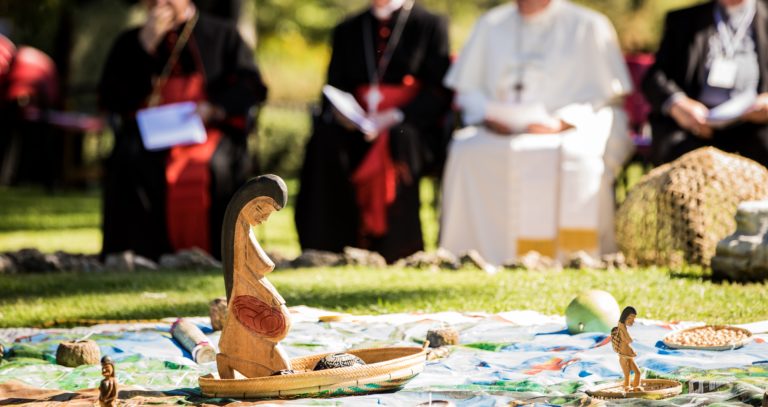
“Considered in itself, idolatry is the greatest of mortal sins.” So begins the old Catholic Encyclopedia’s entry on the topic. I was surprised to read that this is the greatest of all mortal sins. Was it worse than murder? Worse even than the sexual abuse of minors? “For it is, by definition,” the entry continues, … Read more
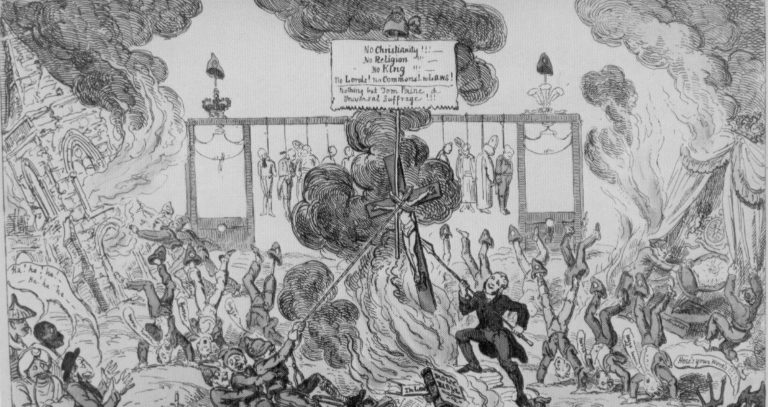
The postmodern world is fond of congratulating itself that, owing to the withering away of ancient superstitions and the final triumph of science, religious warfare of the 16th and 17th centuries can never be renewed in Western societies. What can we possibly be thinking? Religious warfare has not only reestablished itself: it’s doing so in … Read more
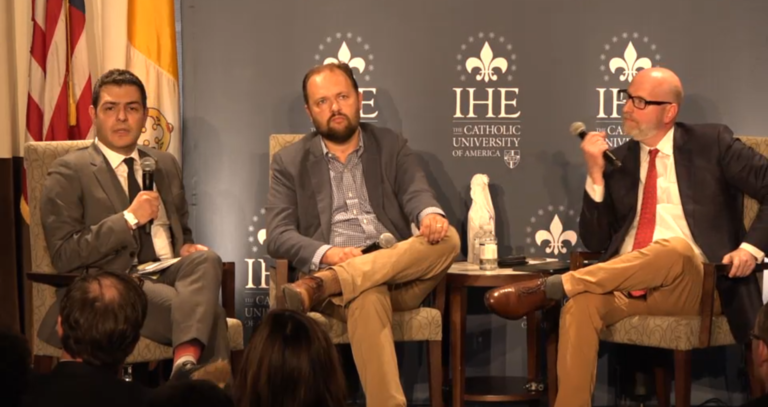
Debates are about making points, yes, but they’re also about comportment. The exchange between Sohrab Ahmari and David French, which took place at the Catholic University of America last Thursday, centered on just this point. It was a debate about debates—namely, “How do we best engage with our opponents on the Left?” As it happens, … Read more
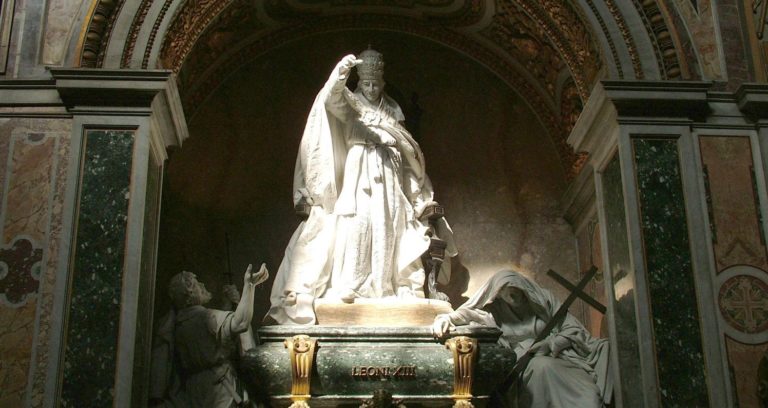
[This is part two of Michael Warren Davis’s two-part reflection on the Ahmari-French debate on the future of Christian conservatism. Read the first part here.] The second major point of contention between Sohrab Ahmari and David French is on the question of civility. To again quote from Mr. Ahmari’s first shot across the Frenchists’ bow: … Read more
There’s something precarious in writing an article about a debate. One runs the risk of demonstrating why one wasn’t invited to take the stage. Still, Thursday’s exchange between Sohrab Ahmari of The New York Post and National Review’s David French ought to be weighed carefully by every Catholic journalist, statesman, lawyer, activist, and voter. These … Read more
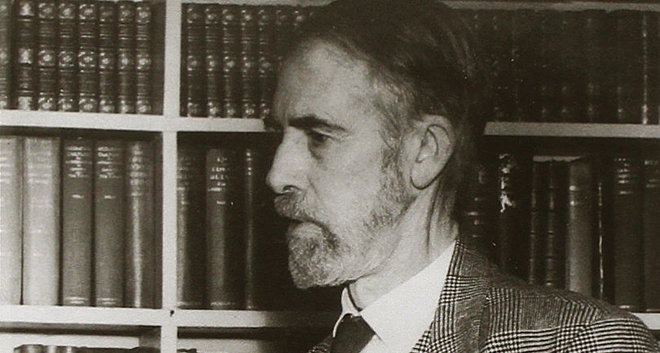
As Christopher Dawson attempted to discover the sources of the ideological disruptions of the twentieth century as well as solutions to the death and terror they caused, he often produced some of his most impassioned work. Indeed, he often comes across, for lack of a better way of putting it, as inspired, a prophet, ready … Read more
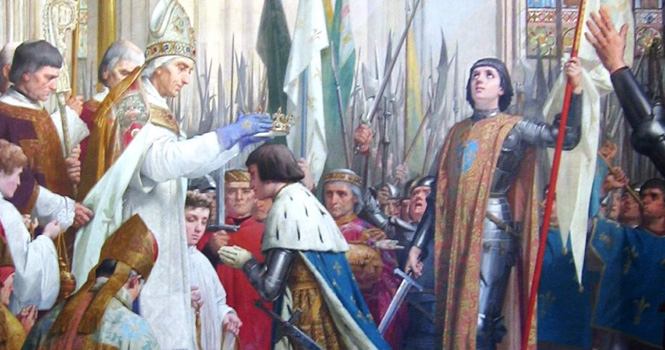
A good deal of what the Catholic Church teaches about the state and her relationship to it belongs to the province of philosophy. It belongs to those truths of the faith that are naturally knowable and don’t require revelation. This distinction should be familiar. There are some truths that the Church teaches which we can’t … Read more
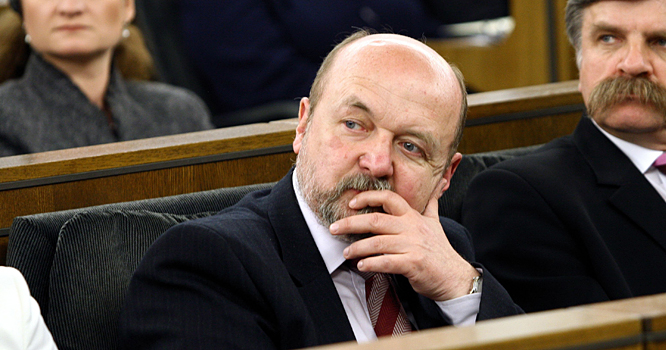
For quite some time now, American intellectuals have taken a particular interest in Poland. During the Cold War, the Polish people’s resistance to communism was held up as an example of fidelity, and Pope John Paul II’s leadership of the Church was taken to be a quintessential example of the Polish spirit. The honeymoon is … Read more
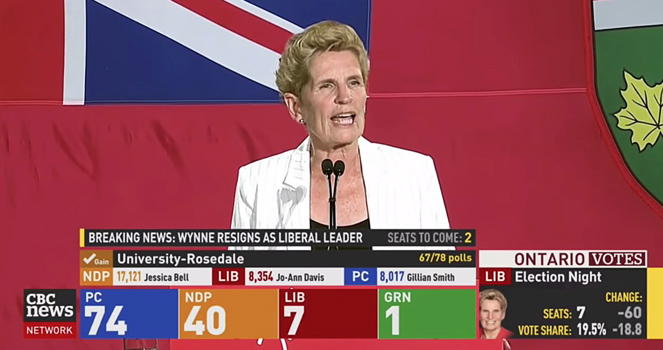
Ontario is the most populous of Canada’s ten provinces, with about 13.5 million souls, accounting for nearly 40 percent of the population of the country, most of whom live within a one or two hour drive from the border with the United States. The province has the nation’s capital, Ottawa, as well as its largest … Read more