The Most Insane Reaction to Strickland’s Ousting
Enemies of Bishop Strickland came out in force in the last week, trying to one-up each other in their ludicrous accusations against the good bishop.


Enemies of Bishop Strickland came out in force in the last week, trying to one-up each other in their ludicrous accusations against the good bishop.
As long as active clergy homosexual activity persists, the Church will continue to fracture and split, where eventually it will all but collapse and disappear.

Some Catholics seem to think that if we all pretend, really really hard, that everything is perfect in the Church, then it will never occur to anyone to leave.
In Pope Francis’s favorite book “The Lord of the World,” the fictional pope does not lead but rules the Church. Ecclesiastical power is centralized in his person. The Cardinal Legates are his supervisors of the local Church. Some might see a pattern here.
The ouster of Bishop Strickland is another example of a lawless pope tyrannizing the Church. But ultimately, what can the average Catholic do about it?
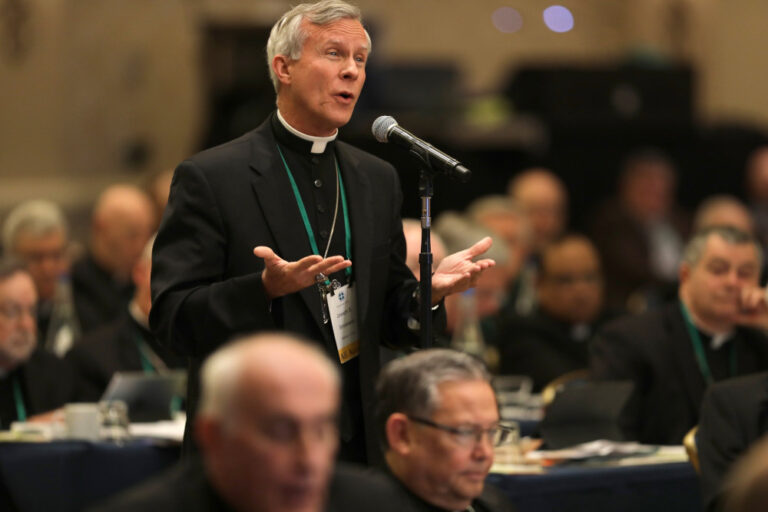
The removal of Bishop Joseph Strickland is the culmination of a process that began on a cold morning in Baltimore five years ago today.
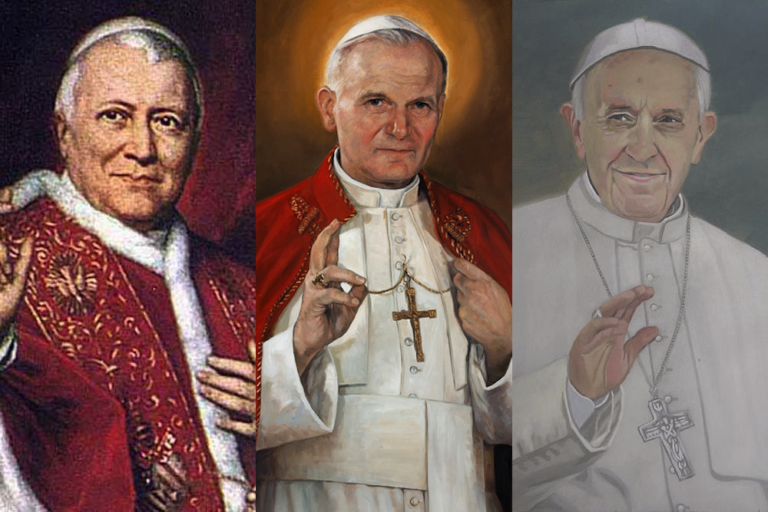
The role of the papacy in the minds of too many Catholics has morphed from being the center of Church unity to the source of Church teaching.
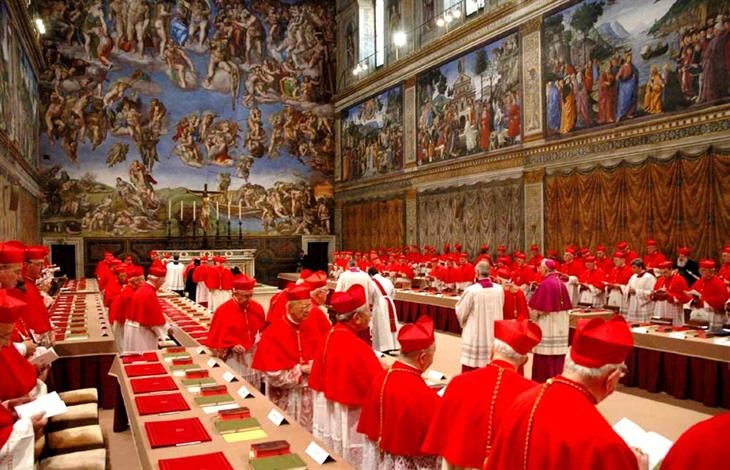
Pope Francis is contemplating radically revising how the next pope is elected; among the revisions is the inclusion of papally-appointed lay electors.

The Hedgehog knows one big thing, but our Synod Fathers (and Mothers) seemed consumed with many lesser things.
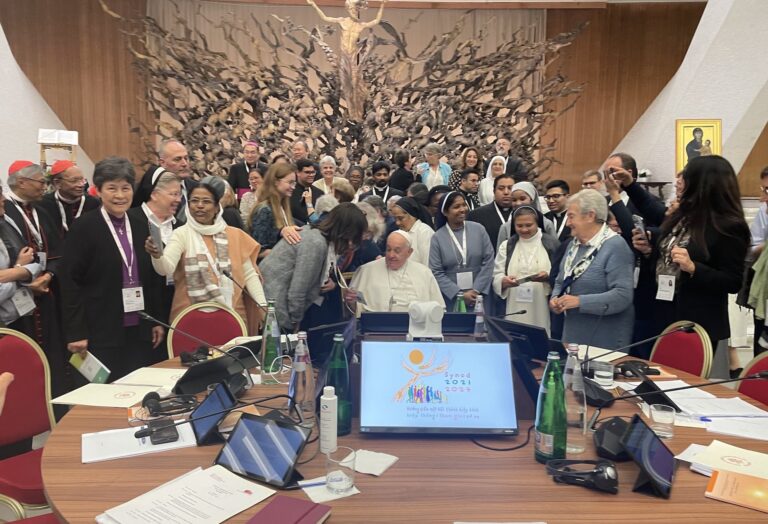
Last month’s Synod was pervaded with sentimentality, which glossed over the ugly realities it was seeking to condone.
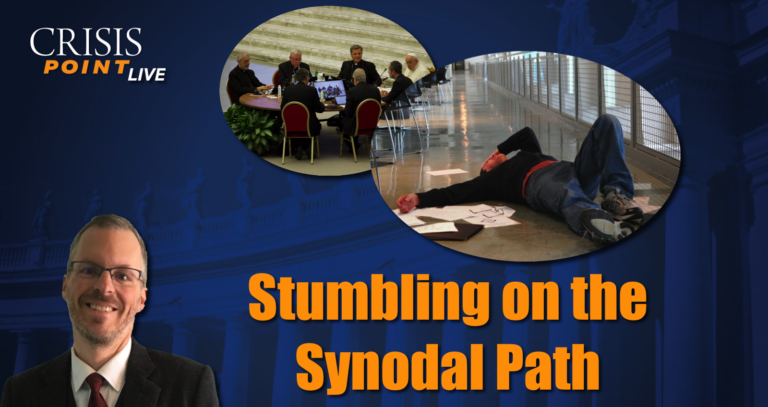
The Synod on Synodality (Part I) just ended, and it didn’t go as pre-planned. Outside events overshadowed the proceedings, and not everyone was on board the path to a synodal Church.
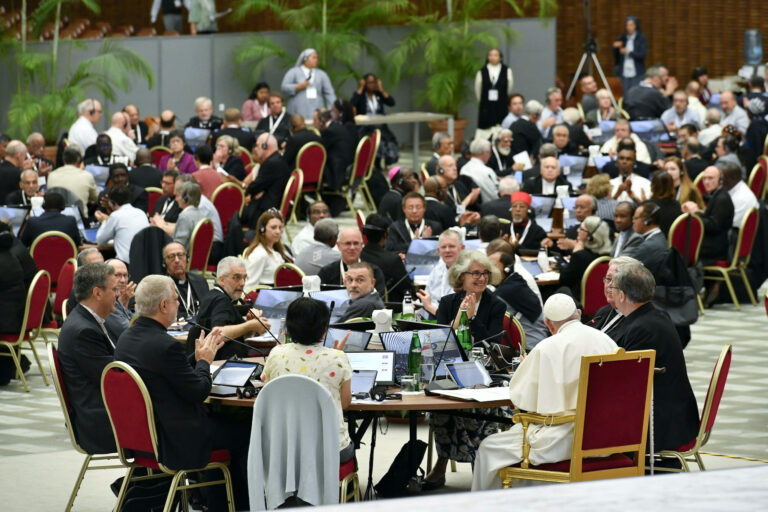
The Synod was a series of fixations on matters of utter inconsequence, rather like the deck hands busily arranging chairs on the Titanic before its final plunge into the sea.
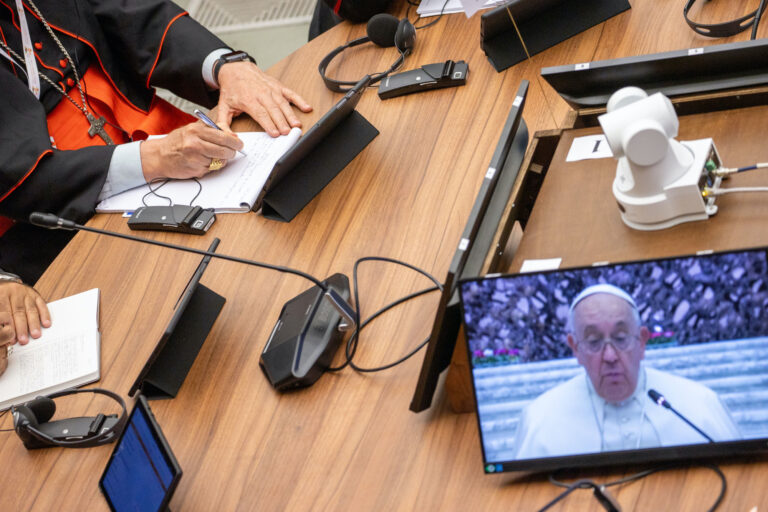
Is clerical haberdashery really such a problem that it merits a prominent place in the pope’s intervention in a synod as overhyped as the one concluding in Rome these days?
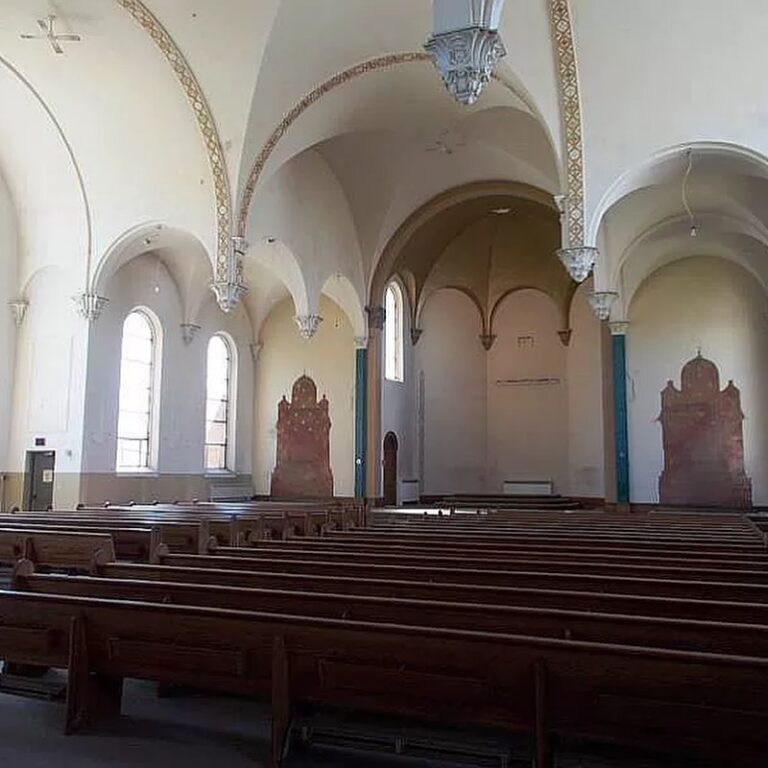
In recent decades, the decline of the Church has resulted in the closure and sale of a host of Catholic real estate: churches, convents, monasteries, schools, and rectories.
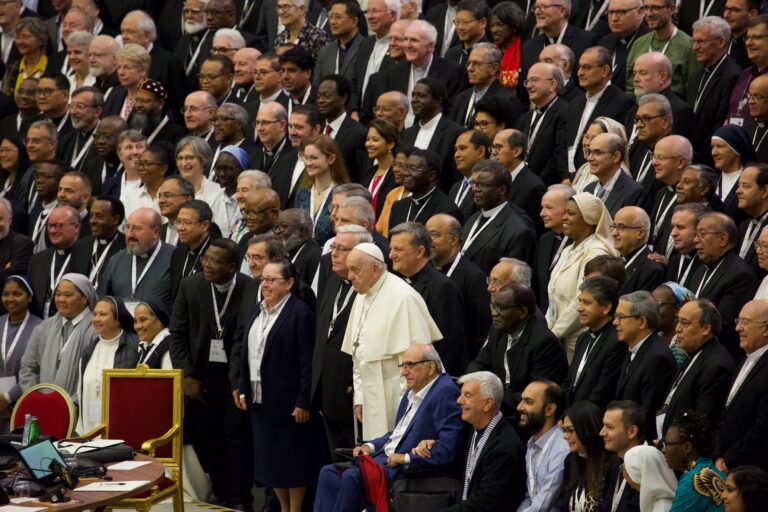
History has demonstrated that the Holy Spirit has a way of confounding conventional expectations.
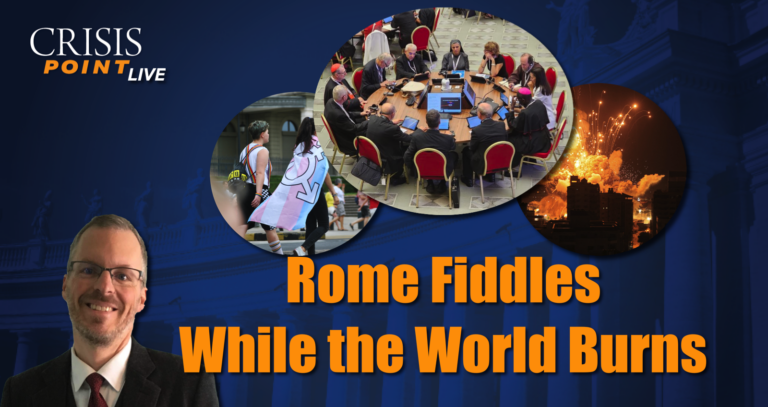
The Middle East and Ukraine are engulfed in war, society has become increasingly (and violently) anti-Catholic, and millions are leaving the Church; meanwhile, Church leaders are meeting together to talk about meetings. What is a Catholic to do?
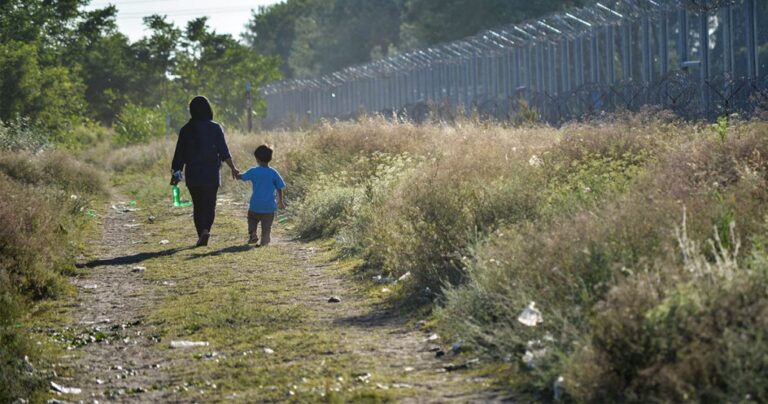
Some have accused the Church of being complicit in creating the broken mess of the immigration system. That is like blaming the staff of the emergency room attending gunshot victims for the violence in the streets.
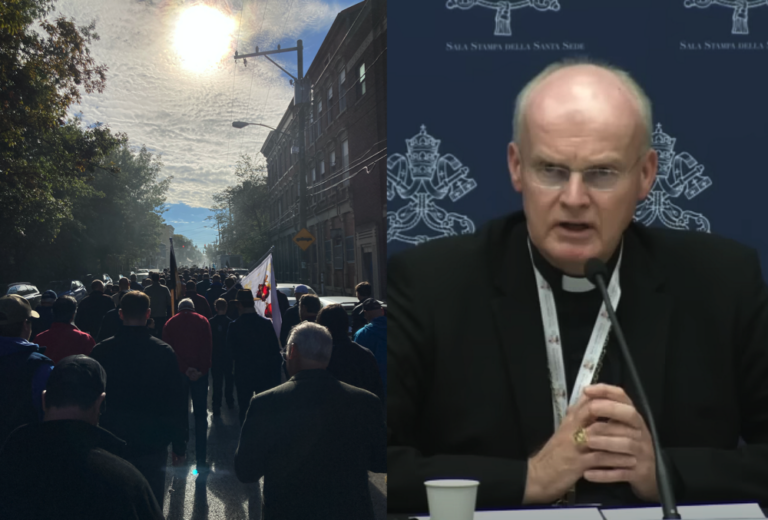
In the midst of mass apostasy all around us, we can see signs of growth in faithfulness and orthodoxy.
The institution of marriage is under attack; in fact, in many ways it seems to be on its last legs. How have Catholic leaders failed in defending marriage, and how can Catholics rebuild our respect for this sacred institution?