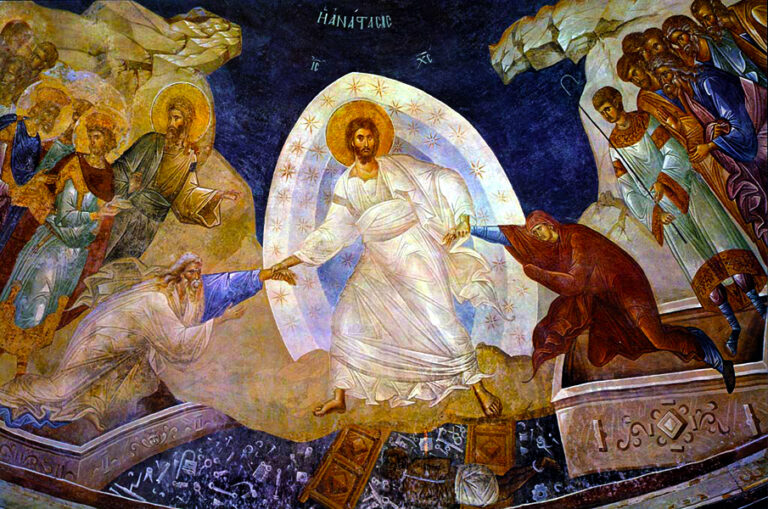
Easter: Launching the Revolution of the Cross
Easter is the unleashing of the Revolution of the Cross. It should be unsettling, like an earthquake. Wondrous, as the explosion of galaxies. Penetrating, as the sound of a thousand marching armies.


Easter is the unleashing of the Revolution of the Cross. It should be unsettling, like an earthquake. Wondrous, as the explosion of galaxies. Penetrating, as the sound of a thousand marching armies.
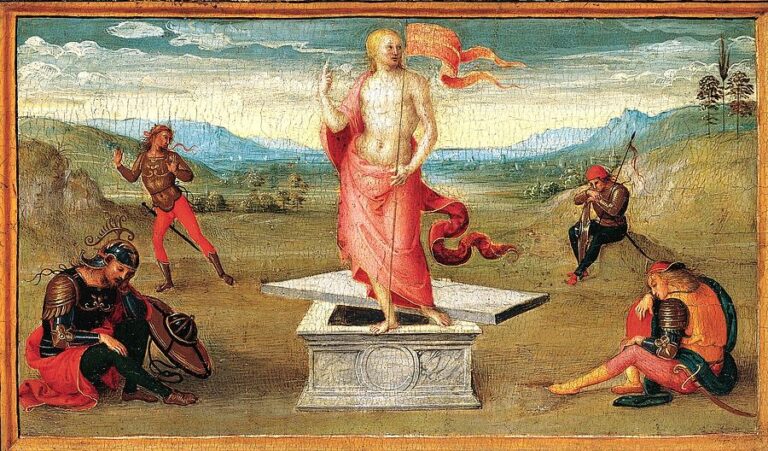
There’s a movement afoot to fix a common date for Easter by 2025. It’s a movement fraught with problems.
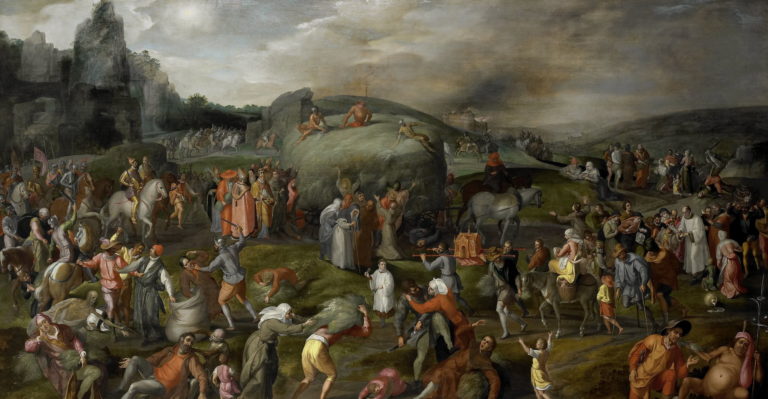
We find ourselves at the tail end of this long Lent which comes to us a decade into this long and difficult papacy.
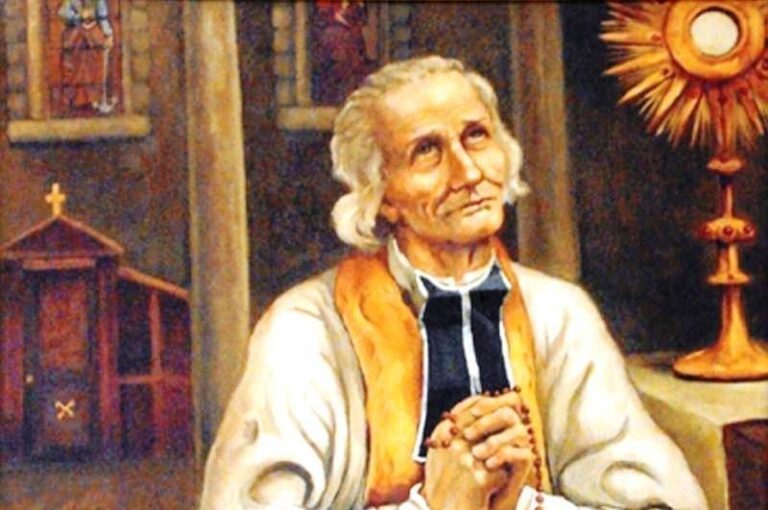
There is a major identity crisis today in the priesthood. It is a rupture, or at the very least an attempt to disconnect from the burden of its deep-rooted identity as one who offers sacrifice.

Our Lord does not see rich or poor, privileged or unfortunate, low class or high. He sees only fallen men and women whom He loves.
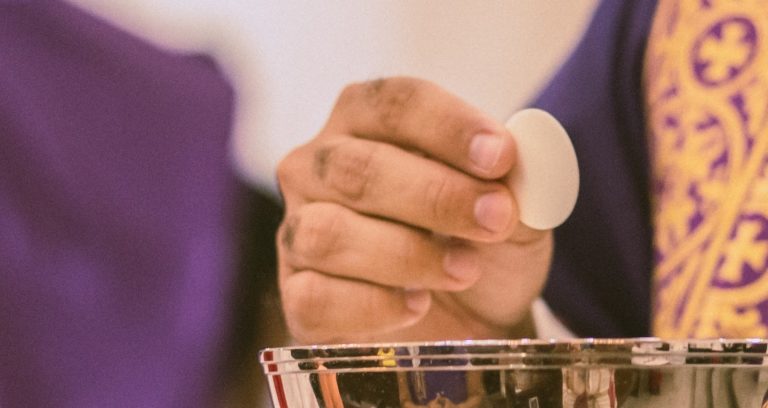
A theology of “partial” or “imperfect” communion actually dates back long before Vatican II.
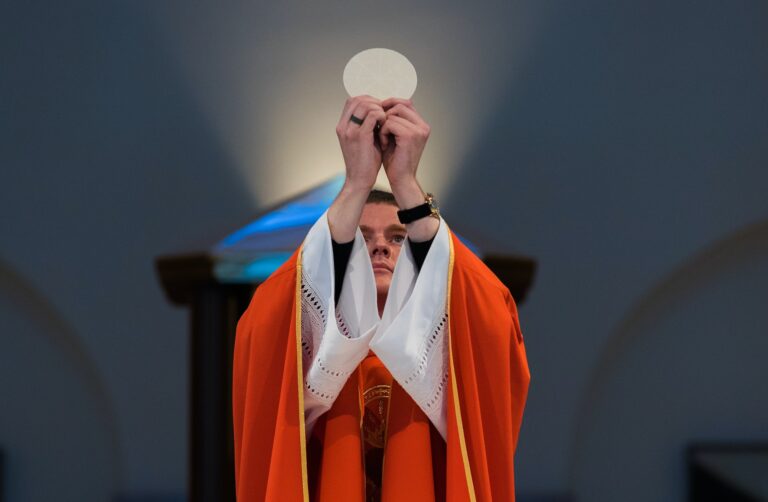
If a liturgical rite can be blamed for the bad theology of some of its attendees, then all rites should be examined to ensure we remove any and all offending liturgies.
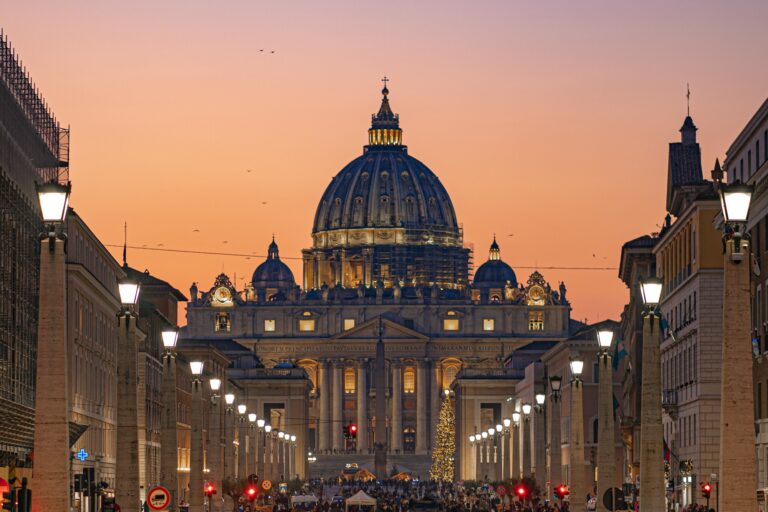
How do we properly interpret Church texts when there are so many competing interpretations of them within Catholicism today?
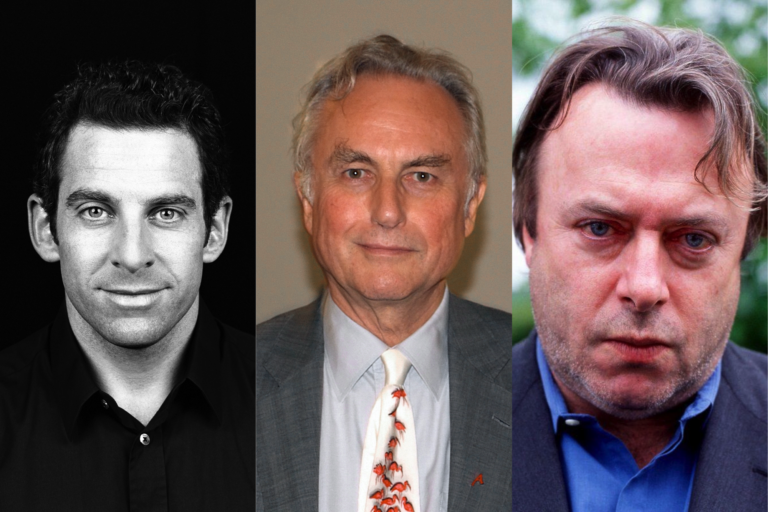
The rise of the New Atheists in the early 2000’s led to a steep decline in religious affiliation in America. How will the Church respond?
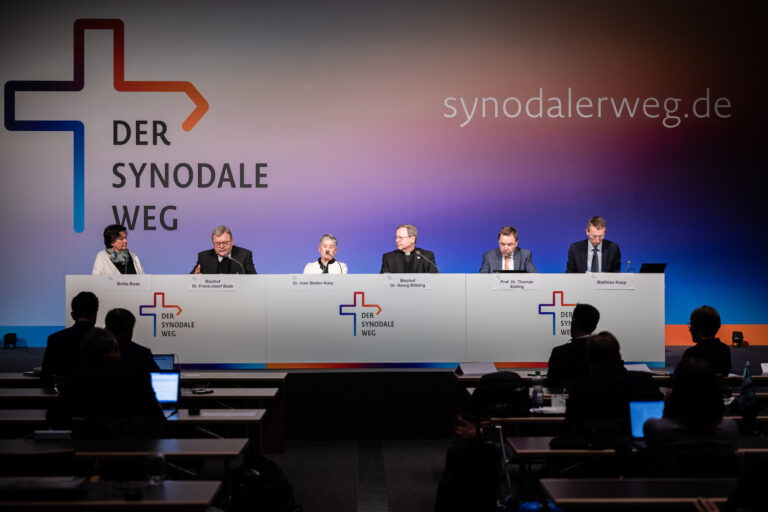
In light of the extremity of the German bishops’ message, why is so much discourse around Catholic doctrine and departure from it surrounded with so much politesse and restraint?

The counterfactual optimism of heretics keeps them in the Church while working to destroy it.
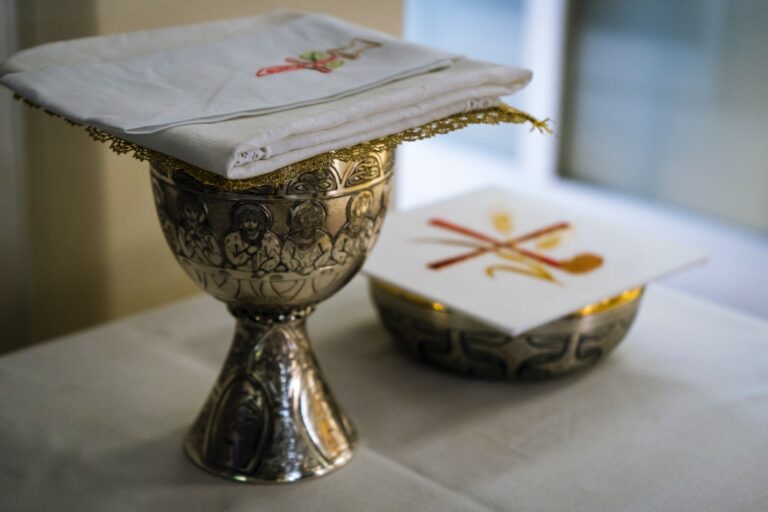
The common post-conciliar understanding of “communion,” taken to its logical conclusion, often ends in absurdities.

It must seem to the decent Catholics attached to the Traditional Mass that a kind of Berlin Wall is closing in upon them.
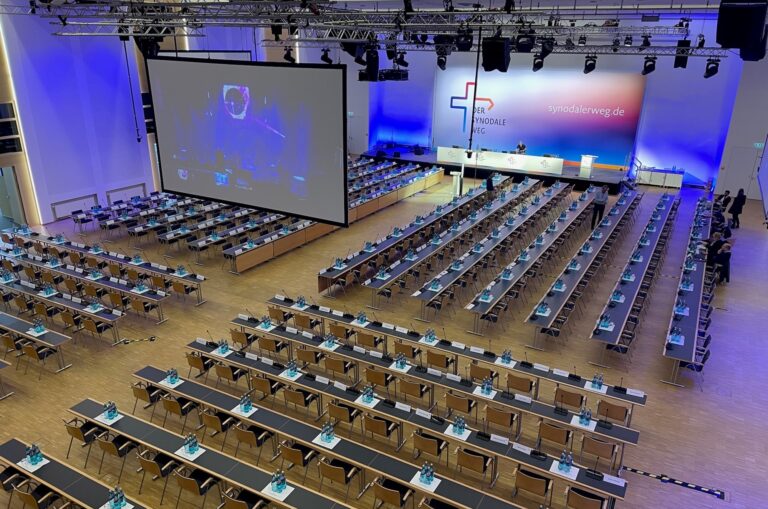
Progressives, political or religious, figured out that you don’t need to have the masses on your side if you control who runs the bureaucracies.
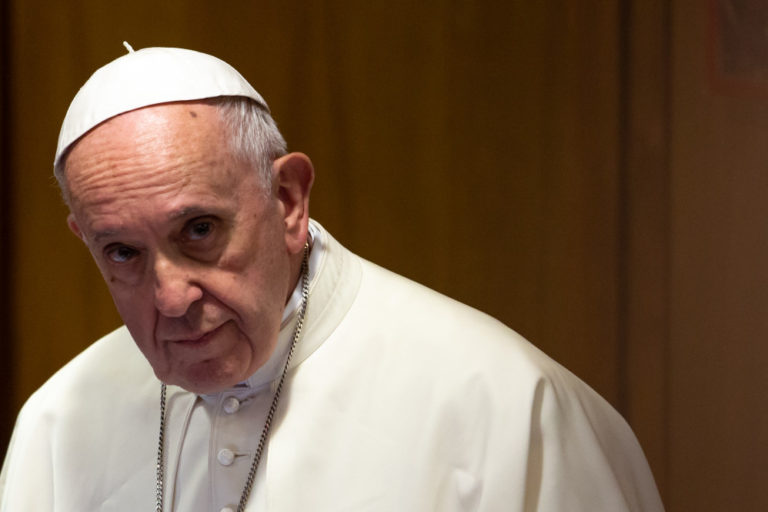
Confusion, political ideology, and scandal have been our continual companions the past 10 years, and there’s little reason to believe that will change while this pope still reigns.
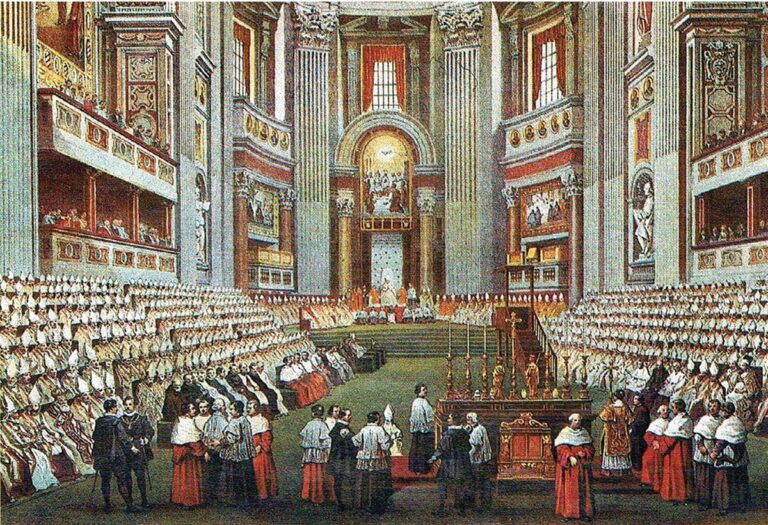
Ultramontanism itself—the hailing of the reigning pontiff as Supreme Leader of the faithful, whose every utterance must be accepted unquestioningly—is a relatively recent phenomenon in the life of the Church.
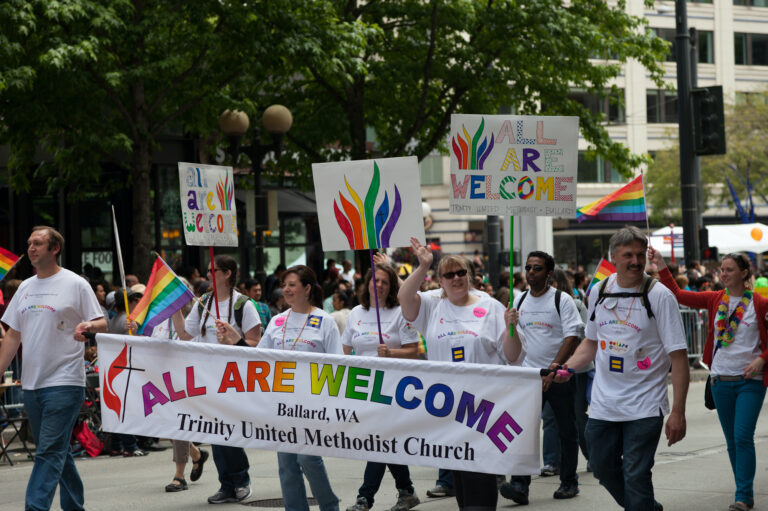
Contra Cardinal McElroy, genuine ecclesial inclusion goes through the path of acknowledging and renouncing one’s sinfulness.
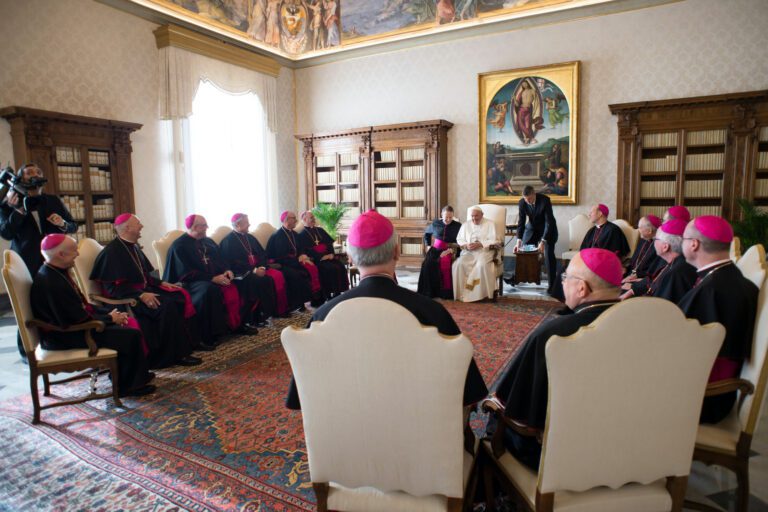
The often uneasy relationship between bishops and the Vatican has come to the forefront in recent years, as increasingly unpastoral directives are being issued by Rome.
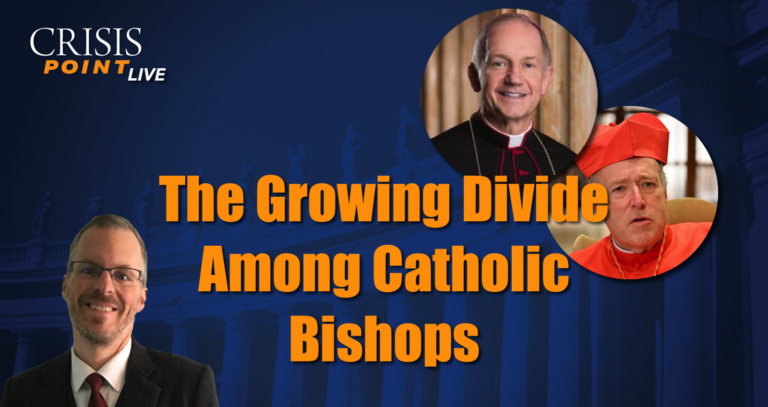
The recent debate between Cardinal Robert McElroy and Bishop Thomas Paprocki brought into the open the growing divide among Catholics bishops. Can there be unity when bishops are following essentially different religions?
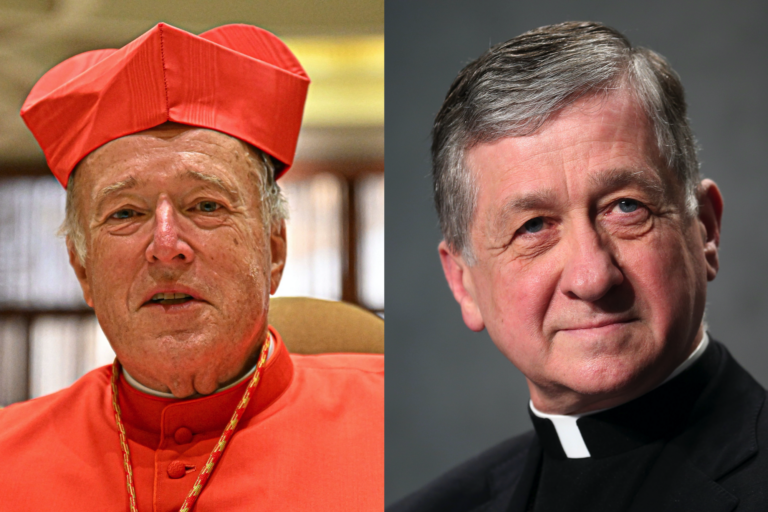
Their Eminences want everyone to understand that they dissent from the Catholic faith, but they don’t want to say it directly.