The Secrets to Founding a Family
It has been said that the future belongs to those who show up, which is to say, that the future belongs to the marriages and families that are established today.


It has been said that the future belongs to those who show up, which is to say, that the future belongs to the marriages and families that are established today.
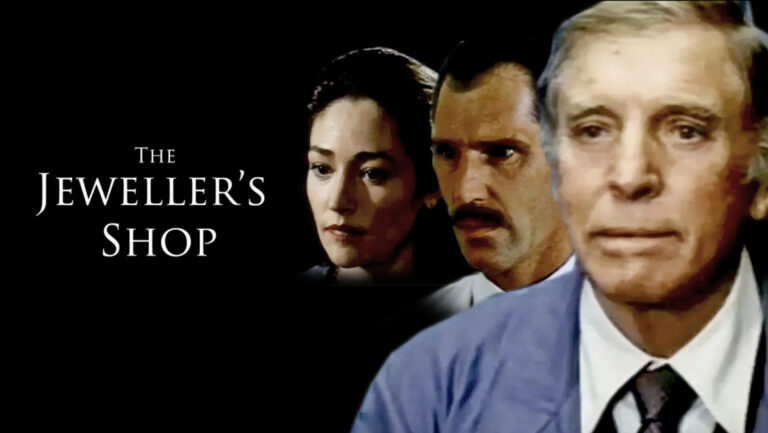
The film “The Jeweler’s Shop,” based on the play written by Karol Wojtyla, the future Pope John Paul II, explores the meaning of marriage.
To find a wife, you must first become a man worth finding.

It seems to me that many young people, and people entering their thirties, are too anxious to make life choices grounded in practicalities, natural desires, and the normal flow of life.

Sandwiched between arranged marriages and committing sins of the flesh with random strangers is an intentional culture designed to weed out bad matches and encourage real courtship.
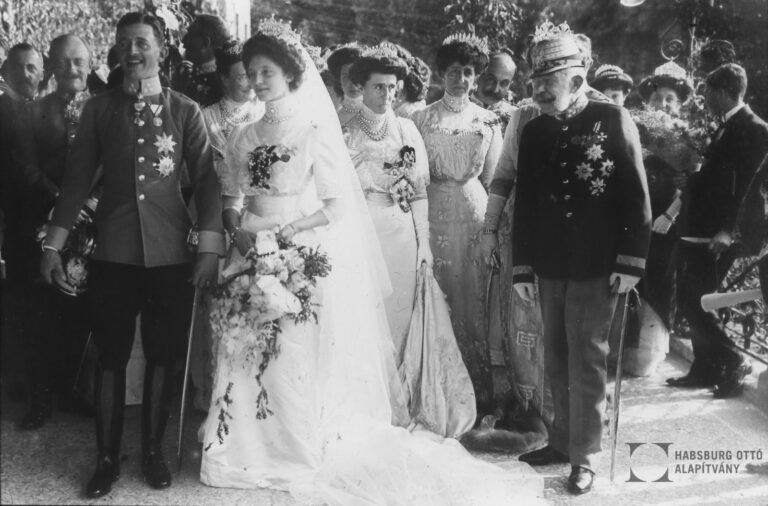
Every marriage preparation program would do well to incorporate the practical marriage advice from the Archduke of Austria, Eduard Habsburg.

The female obsession with Jane Austen’s captivating look into Regency-era England can quickly turn from an innocent diversion to a deeply unrealistic vision of marriage.

Catholic parents, do your daughters know that it’s okay—even good and holy—to desire a life as wife and mother, even above (and even forgoing) all other earthly considerations?

The wedding rings of a bride and groom are always a centerpiece of the ceremony and seen as a symbol of the marital bond. But for Catholics, it is much more than that.
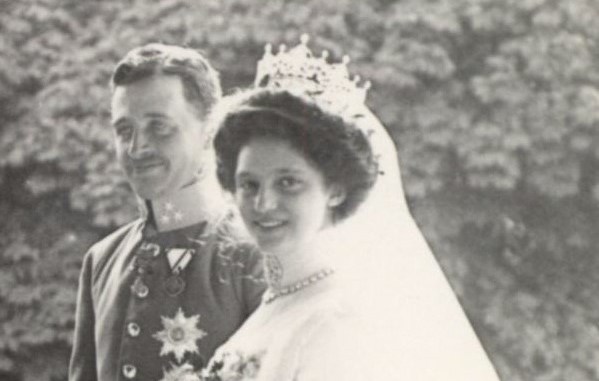
Why leave the most important decision of your Catholic life to chance when you have a royal intercessor ready to come to your aid!
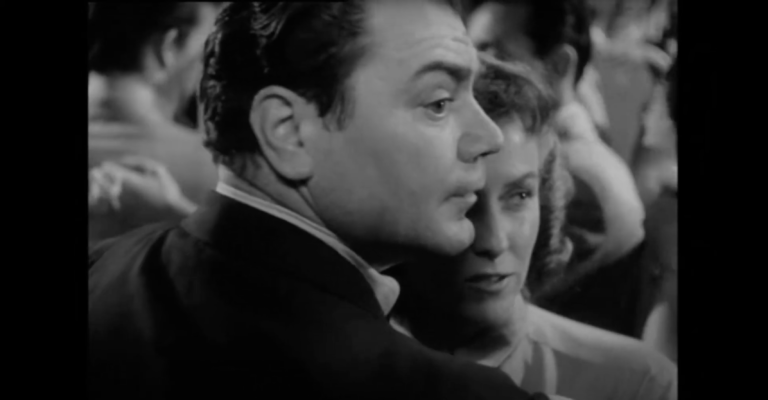
The “soul mate” ideal is ruining marriage as people seek Prince Charming instead of real partners. True love is found in regular, not perfect, people.

What moves the earth and the planets and all the stars above? The answer is Love.

The default and public position of many in diocesan family life offices is to assume that if one is divorced, he or she is in need of “healing” or “moving on” by way of an annulment. This is wrong.
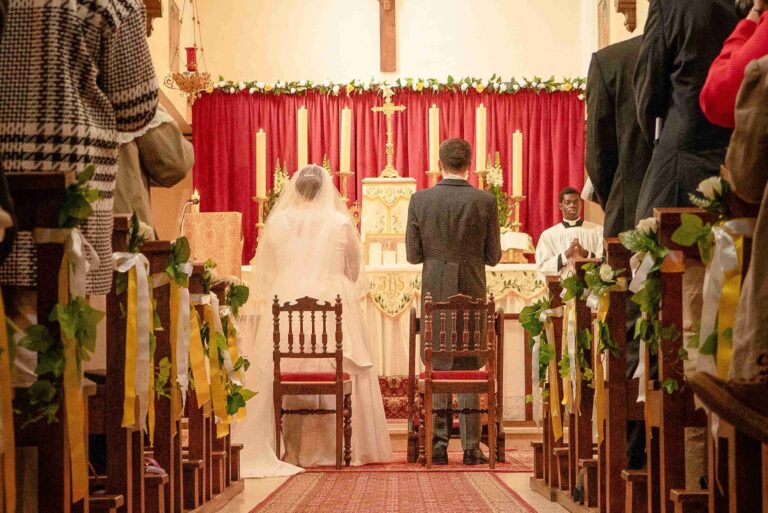
Why did the sixth precept—”To observe the laws of the Church concerning marriage”—disappear from Catholic catechisms?

While the language of “marital debt” can turn the self-giving human relationship of marriage into a legalistic project of obedience, what is the proper approach to the marital relationship?
The institution of marriage is under attack; in fact, in many ways it seems to be on its last legs. How have Catholic leaders failed in defending marriage, and how can Catholics rebuild our respect for this sacred institution?

We’ve become so used to Catholic priests and influencers telling us that we may go to these invalid “weddings” that we’ve forgotten to question the premise: What is the authoritative source for that advice?

Few subjects raise such ire and disgust as the marital debt, but it is the teaching of the universal Church, and it does matter.

The trouble with discussions of marital debt is they overlook the larger context of human relationships that render the truth or falsity irrelevant.