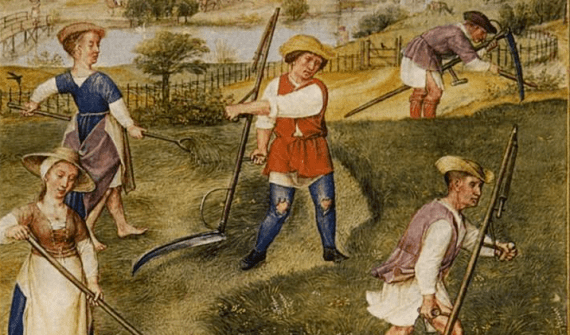
Adopting a Medieval-Peasant Mindset
When tempted to unrighteous anger at what is beyond our control, we should follow the example of some saintly and joyful medieval peasant.


When tempted to unrighteous anger at what is beyond our control, we should follow the example of some saintly and joyful medieval peasant.
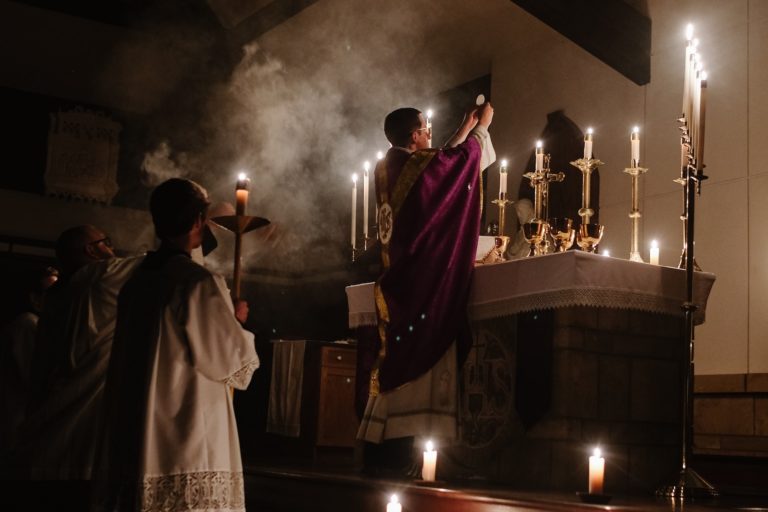
The primary focus of Catholic worship, unlike Protestant worship, is to be directed toward God, not the people.
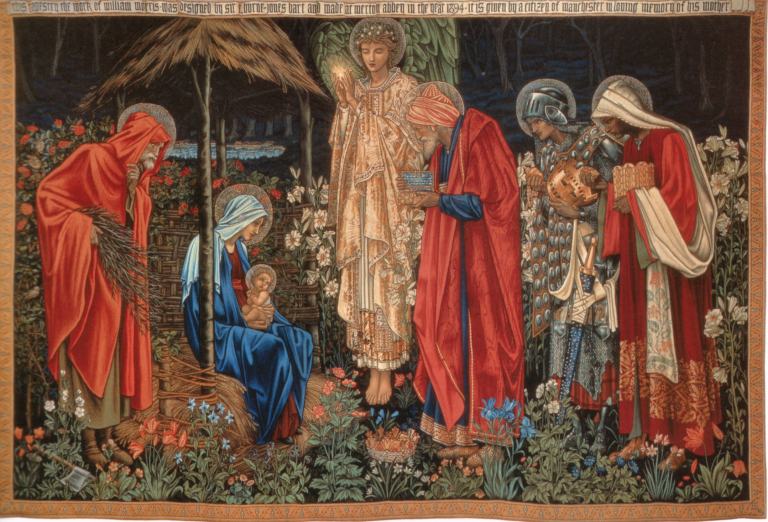
The importance of January 6th as the Feast of the Epiphany has been lost due to the events of three years ago as well as the moving of the feast to a convenient Sunday.

The divorce of the sexual act from procreation has led to all our problems regarding sexuality today.

“All who truly love the bridal Church have the capacity, in their time, place, situation, to awaken the sleeping beauty with a kiss.”
Catholics have been debating how to react to the crisis in the Church for some time now: Should we ignore Rome and focus on our family/parish/community? Or should we actively resist the scandals and corruptions coming from the Vatican?
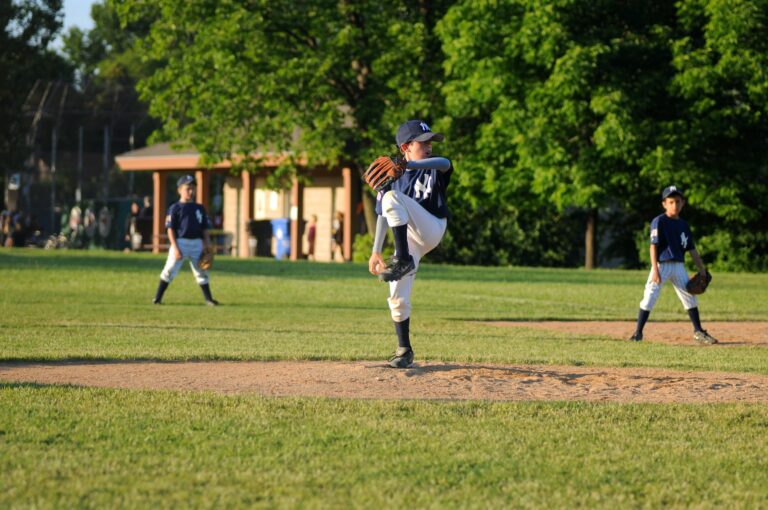
Athletics are moving further and further from their true end: virtue and quality time with our children.

How does one begin when we know that crisis is on the horizon and there is seemingly nothing we can do about it?
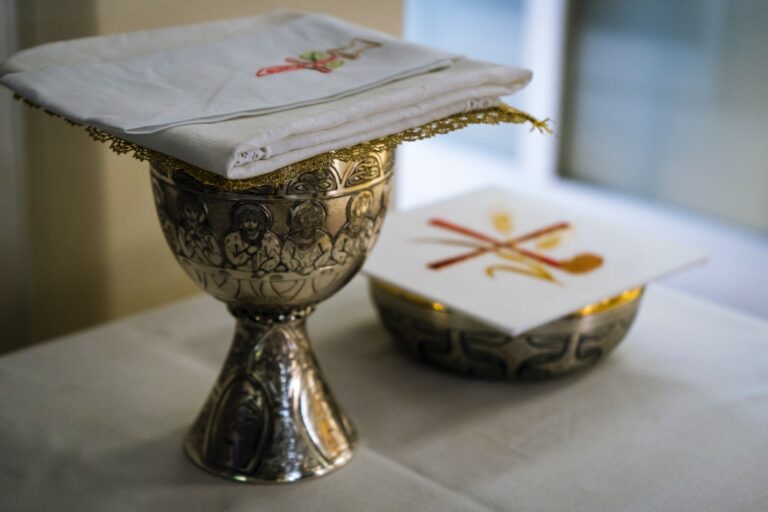
Christianity did not entirely disavow the ancient idea of memory, but instead baptized it, most perfectly in the re-presentation of the sacrifice of Calvary.
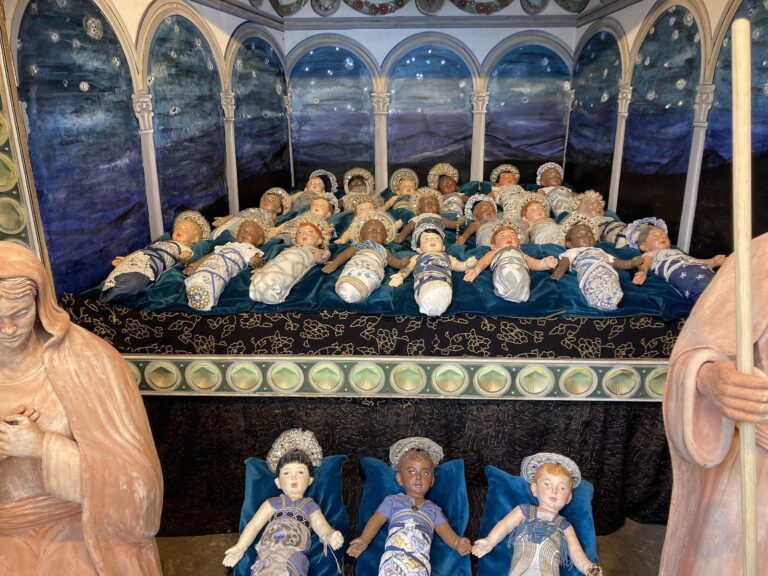
A new theology of sexual disorientation supersedes that of the natural order of things as the Christ child revealed.

Did a Jesuit priest really recreate the Feeding of the Five Thousand in a Mexican rubbish dump on Christmas Day 1972? Or are such “Miracles of Abundance” better understood as providing the faithful with food for thought in purely symbolic terms?

The thought that Christ wanted me at a time when I was so displeased with myself was sobering, relieving, and enough to inspire a few silent tears
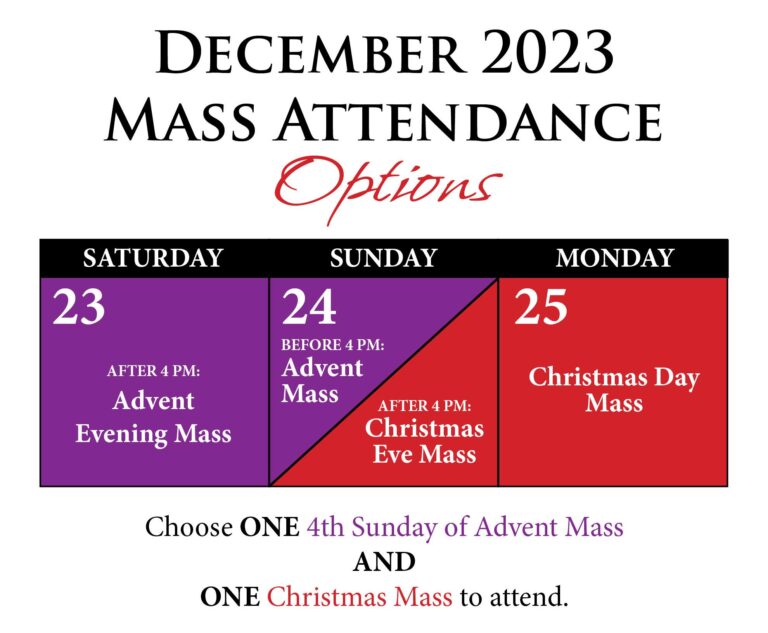
The fact that Catholics are questioning attending Mass two days in a row is a sign of how far we’ve fallen.
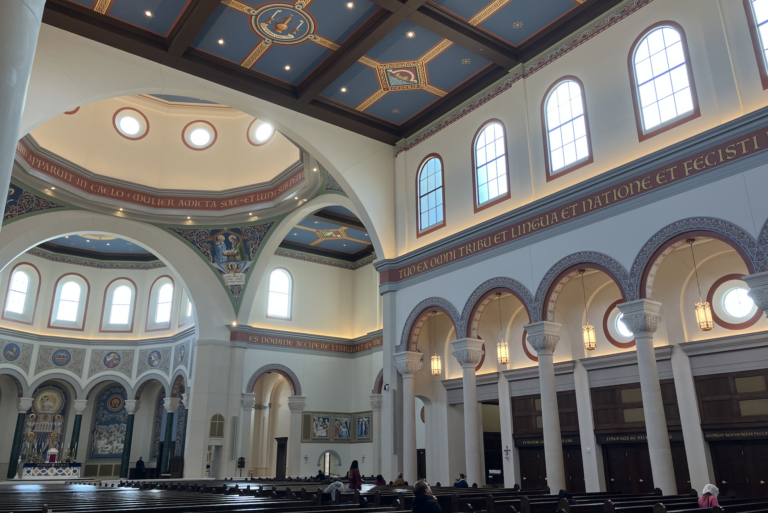
The Latin Mass is an adventure. That’s not what makes it sacred, but it does make it compelling. It’s a secret language waiting to be unlocked.
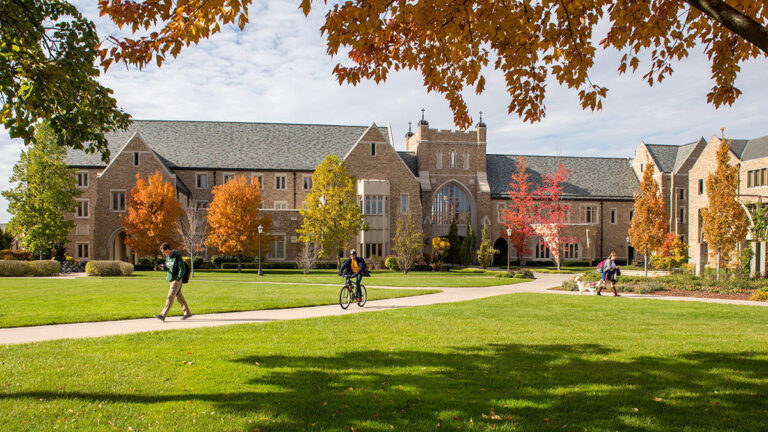
Notre Dame has a less-than-stellar reputation among faithful American Catholics, which calls into question whether aspiring Catholic lawyers should apply there.
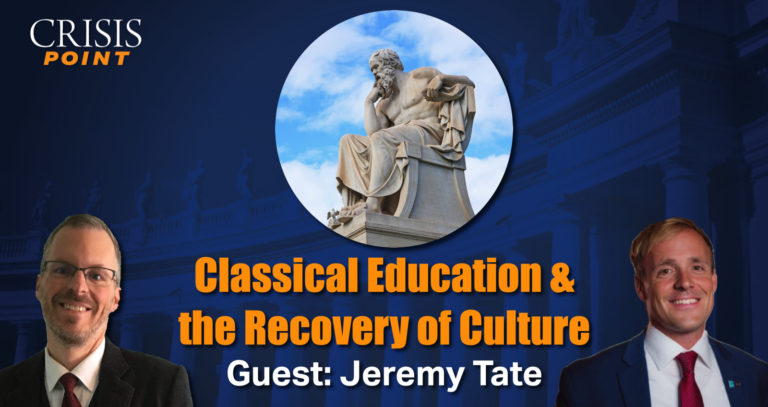
Virtually all our institutions today have been co-opted and used to push anti-Catholic and even anti-human ideologies. How can we take them back? The answer starts with education.
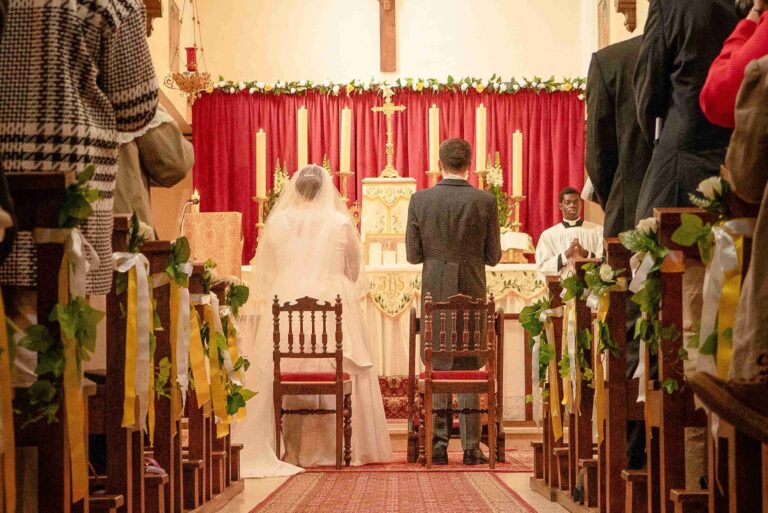
Why did the sixth precept—”To observe the laws of the Church concerning marriage”—disappear from Catholic catechisms?

While the language of “marital debt” can turn the self-giving human relationship of marriage into a legalistic project of obedience, what is the proper approach to the marital relationship?
Contrary to some modern protests, there exists a norm or standard of right reason which applies to everyone in every place and time.
The hardest people to forgive are those men called to be our spiritual fathers and shepherds who are blatantly and publicly inflicting wounds on the mystical body of the Church.