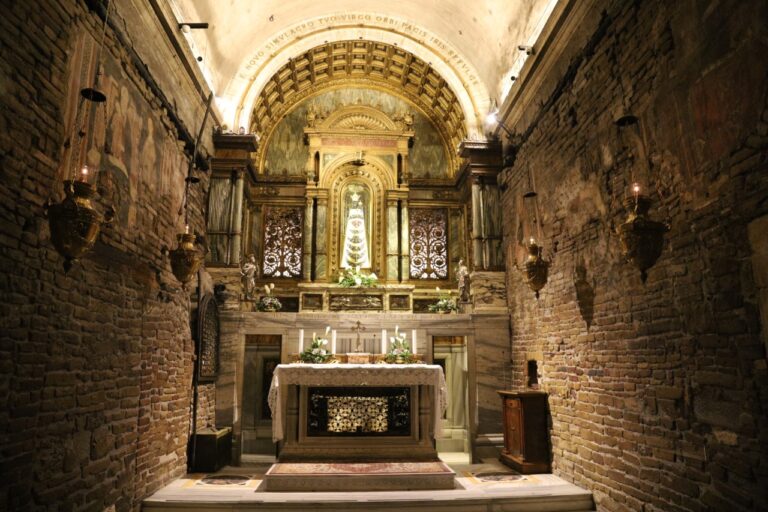
The House Where It All Began
The Holy House of Loreto is precisely the place where it all began—namely, the Incarnation of God Himself.


The Holy House of Loreto is precisely the place where it all began—namely, the Incarnation of God Himself.
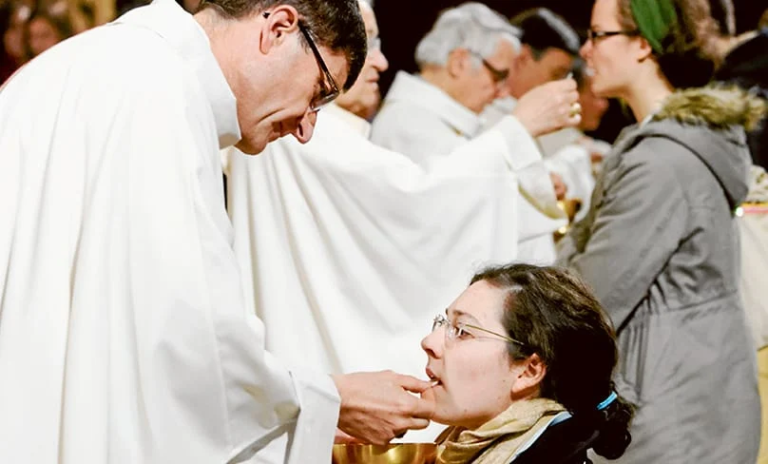
It is important to remind the faithful of their canonical right to receive Holy Communion while kneeling, regardless of the form of the Sacred Liturgy that they attend.

The latest official Church recognition of a miracle cure from Lourdes reminds us that there are still certain ailments left in life that no ordinary doctor can treat.

What does it say of our society, including conservatives, that we praise a woman skipping maternity leave to go back to work and partially abandon her infant child?
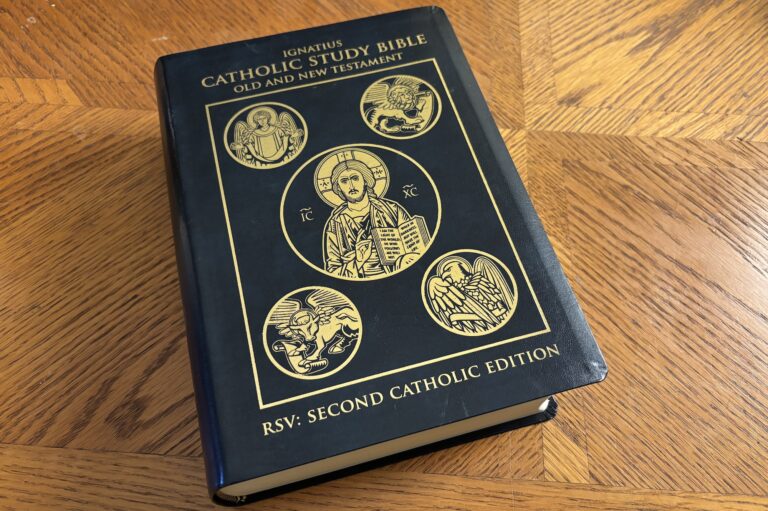
Far from being a Protestant activity, the study of the Bible is for Catholics as well. Fortunately there are tools to help us in this undertaking.
The Church cannot continue to transform and humanize the world if she dispenses with the beauty of the liturgy.
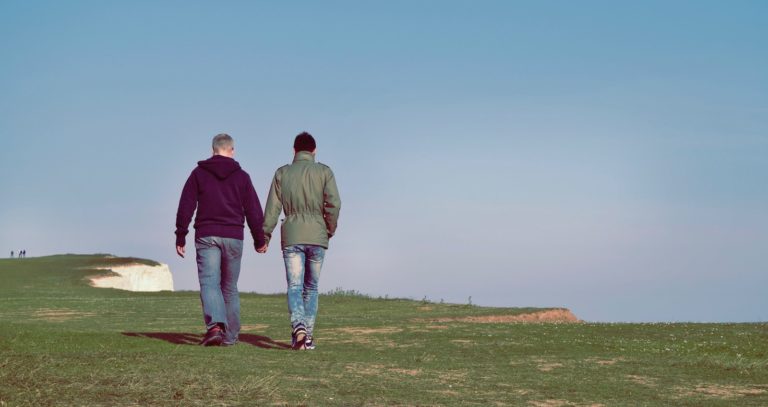
We’re seeing the emergence of homosexual couples acquiring children for the explicit purpose of pedophilia and then “sharing” such children within organized pockets.

Christmas is a haunting season, both in the sense that it is hauntingly beautiful and a time of great expectation for something that breaks reality in two.
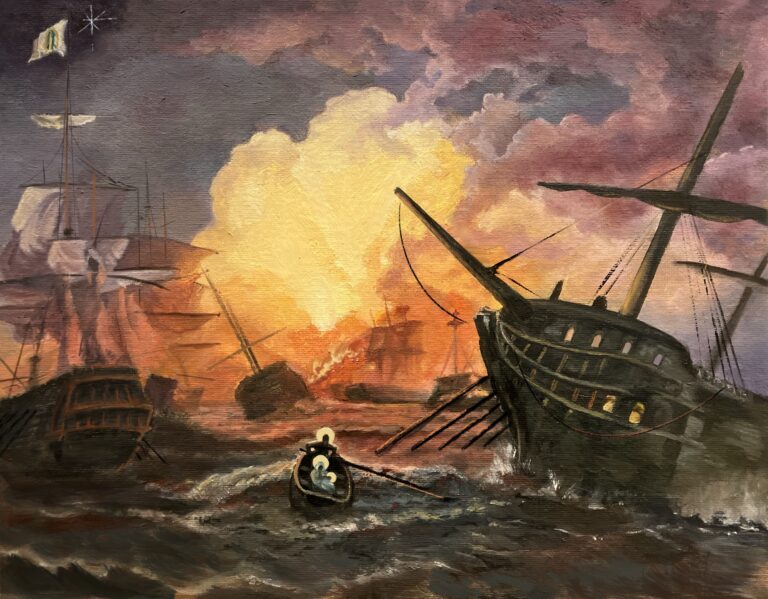
Our Lady of Guadalupe was there at Lepanto, hearkening to the Rosary recited by the soldiers processing round the decks, her quiet, pregnant power blazing at that apocalyptic battle with all the splendor of the star-crowned Woman of Revelation.
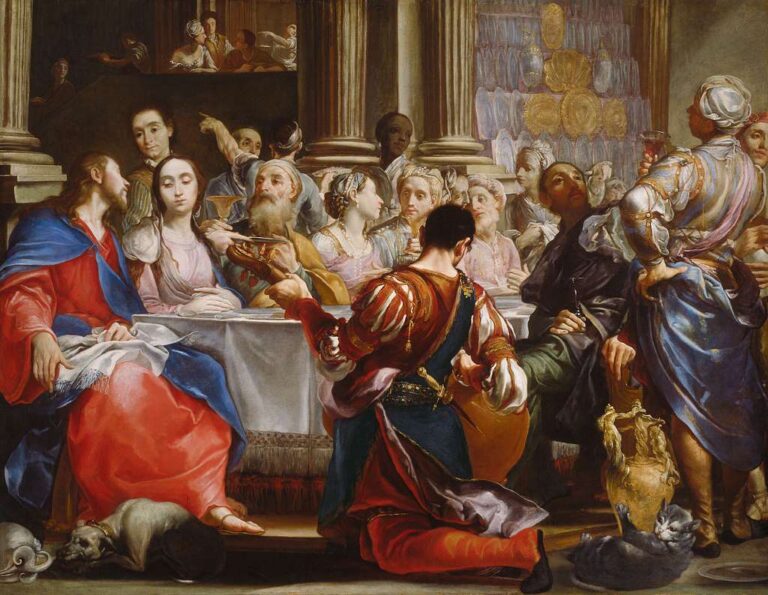
The only way to evangelize the modern pagan world today will be through the family.
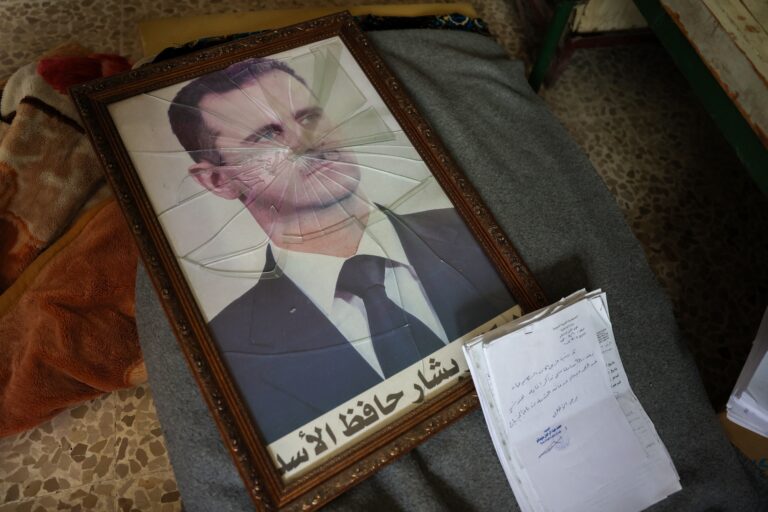
After Biden’s Regime Change in Syria, Trump Can Still Save the Middle East from “Forever Wars”
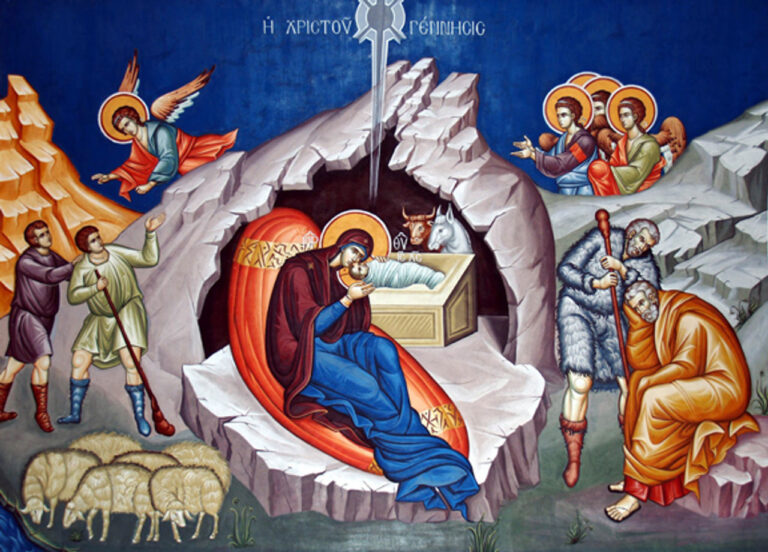
For the Eastern faithful, this is a season of repentance. It’s a period of solemn reflection on the Incarnation—the second person of the Trinity.

“Holiday creep,” which begins earlier every year is not motivated solely by a desire for profits. The unconscious sense that things are dreadfully awry provokes an equally unconscious desire to escape into the land of nostalgia.

Christ’s admonition to become like little children is not an invitation for the adults in the room to set about infantilizing themselves, but to open their eyes as the children do.
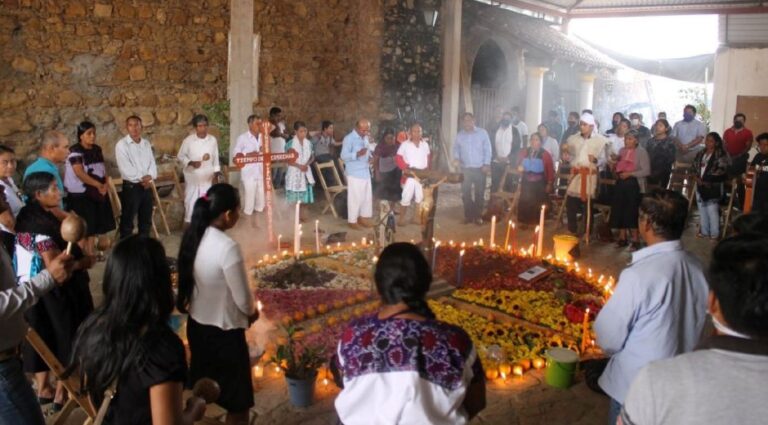
The Church’s task is not to simply make herself manifest in human cultures. That would be to subordinate the Church to local ways. The task is far more challenging than that: to baptize the cultures.
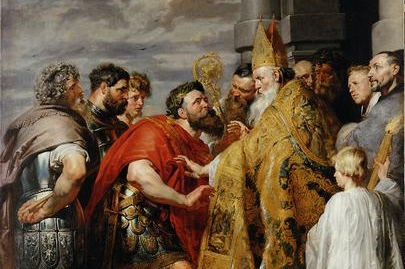
What would Pope Francis have done with an Ambrose standing in the emperor’s path?
Like Mr. Chesterton, it would never have occurred to St. Augustine to assign blame for the world’s problems to anyone other than himself.
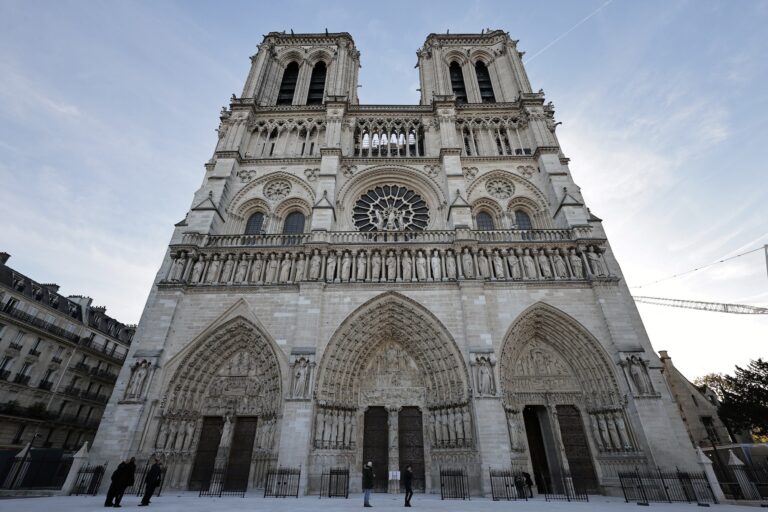
Donald Trump’s presence at the grand reopening of Notre-Dame signals a fresh hope for the Church in America and beyond.
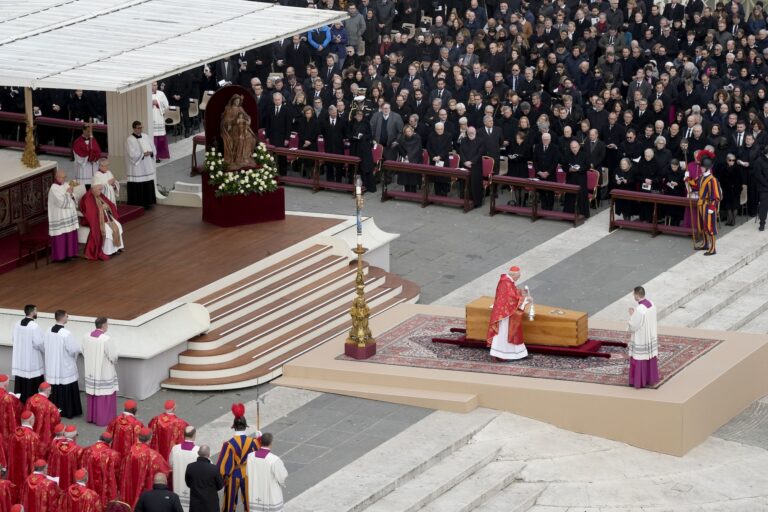
Once again, the Church—to keep up an appearance of humility—has done away with an ancient ritual.